Thinking about selling your old coins, especially those early American ones like the Flowing Hair dollars, here in Austin, Texas? It can feel a bit overwhelming trying to figure out where to start, who to talk to, and what your coins are actually worth. This guide is here to help make that process a lot easier. We’ll cover how to understand what you have, find the right buyers in the Austin area, and get the best price for your collection. Let’s get started on selling your Flowing Hair coins in Austin, TX.
Key Takeaways
- When looking to sell flowing hair coins Austin TX, know that local coin dealers are a good starting point.
- Researching your coins using price guides and understanding dealer buy prices helps you know their worth.
- Properly grading and storing your coins before selling can significantly impact their value.
- Consider attending local Austin coin shows or events to meet collectors and dealers directly.
- Be prepared to negotiate offers and understand different payment methods for a secure sale.
Understanding Flowing Hair Coins
The Flowing Hair Silver Dollar: A Historical Overview
When you’re thinking about selling coins, especially older ones, it’s good to know what you’ve got. The Flowing Hair Silver Dollar is one of those coins that really gets collectors excited. It was the very first silver dollar issued by the United States Mint. Congress authorized its creation back in April 1792. The actual coins, featuring the Flowing Hair design, started being minted in 1794 and were only made for a short time, until sometime in 1795. After that, they switched to a different design called the Draped Bust. The 1794 version is pretty rare, with only about 150 to 200 believed to still exist. The 1795 coins are a bit more common, but people still really want them, which keeps the prices up.
Designers and Minting Details
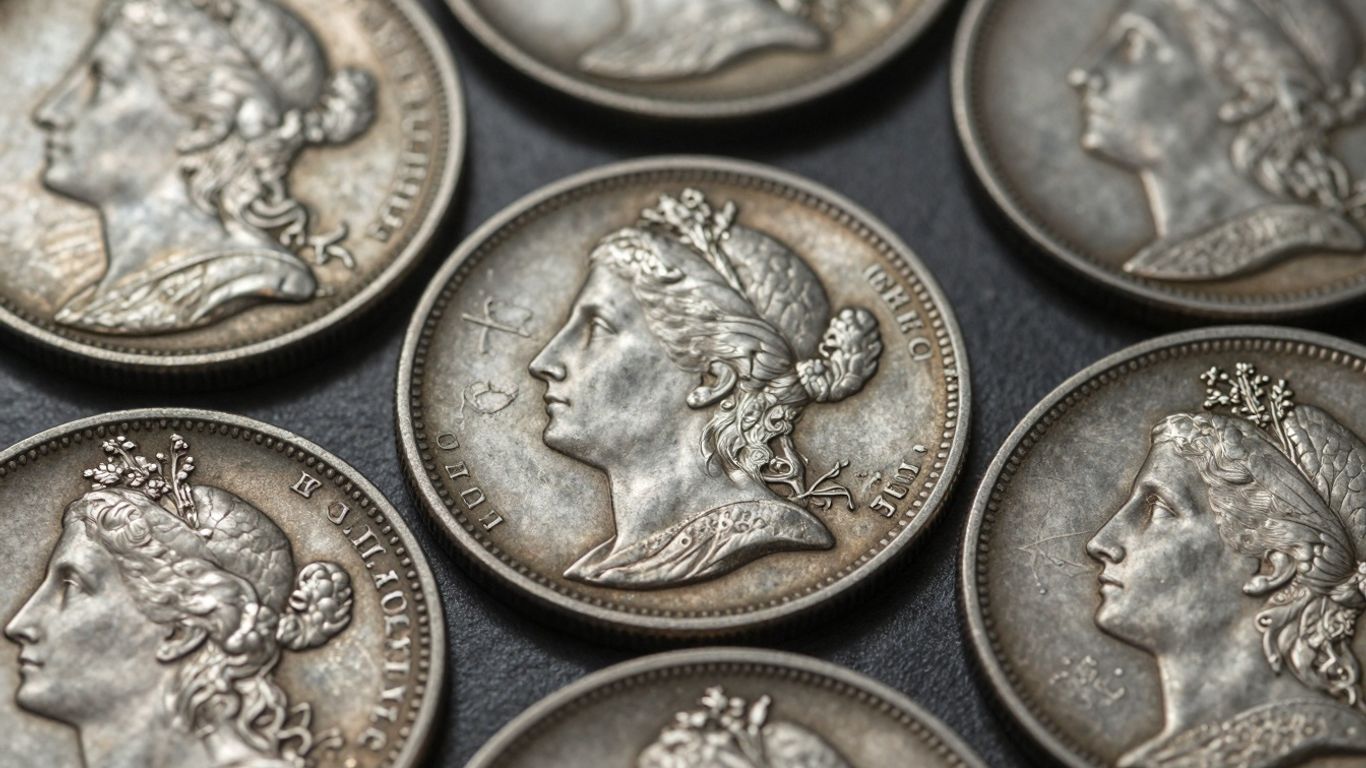
The design for the Flowing Hair coins, including the silver dollar, half dollar, and half dime, was created by Robert Scot. He was the first Chief Engraver at the U.S. Mint. The obverse side of the coin shows a profile of Lady Liberty, with her hair appearing to flow freely. It’s a pretty distinctive look. These coins were made at the Philadelphia Mint. Here are some of the specs for the silver dollar:
| Feature | Detail |
|---|---|
| Weight | 26.96 grams |
| Composition | 89.24% Silver, 10.76% Copper |
| Diameter | 39-40 mm |
| Edge | Lettered: "HUNDRED CENTS ONE DOLLAR OR UNIT" |
Rarity and Collector Demand
As mentioned, the 1794 Flowing Hair Silver Dollar is quite scarce. This scarcity, combined with its status as the first U.S. silver dollar, makes it highly sought after by collectors. Even the 1795 issues, while more plentiful, are in high demand. Type collectors, who aim to own one example of each major design type, are particularly interested in these early coins. This consistent collector interest is a major factor in their value.
Early American coinage like the Flowing Hair series represents a significant piece of U.S. history. These coins were produced during a time when the young nation was establishing its identity and its economic systems. Owning one connects you directly to that formative period.
Here’s a quick look at the mintage numbers for related coins:
- Flowing Hair Silver Dollar: Mintage figures are not precisely known for 1794, but estimated survivors are low. For 1795, mintages were higher, but still considered limited by today’s standards.
- Flowing Hair Half Dollar: Minted from 1794-1795. The 1794 mintage was 3,918, and the 1795 mintage was 13,110.
- Flowing Hair Half Dime: 1794 mintage was 7,765, and the 1795 mintage was 78,660 (though both dates were actually minted in 1795).
Selling Your Flowing Hair Coins in Austin
So, you’ve got a Flowing Hair coin and you’re wondering where to turn in Austin, TX? It’s not as complicated as it might seem. The first step is figuring out who actually buys these old coins. You’ve got a few main options right here in the city.
Local Coin Dealers in Austin, TX
This is probably the most straightforward route. Austin has several reputable coin dealers who specialize in buying and selling numismatic items. These folks usually know their stuff when it comes to early American coinage. They can give you an on-the-spot appraisal, though remember their offer will be a dealer price, meaning they need to make a profit when they resell it. It’s always a good idea to visit a couple of different dealers to compare offers. Some places to check out include Austin Coins and Jewelry.
Austin Coin Shows and Events
Keep an eye out for local coin shows or numismatic events happening in the Austin area. These events are fantastic because they bring a lot of dealers and collectors together in one place. You’ll have the chance to talk to multiple buyers, get a feel for the market, and potentially find a collector who is specifically looking for a Flowing Hair coin to add to their collection. This can sometimes lead to a better price than selling to a single dealer.
Online Marketplaces for Austin Sellers
While not strictly ‘in Austin,’ online platforms are a huge part of the coin selling world today. You can list your coin on sites like eBay, or specialized coin forums. This opens your potential buyer pool to collectors nationwide, not just those in Austin. However, selling online comes with its own set of challenges, like dealing with shipping, payment security, and potential returns. It’s a good option if you’re comfortable with the process and want to reach a wider audience.
When selling any valuable coin, especially one as historically significant as a Flowing Hair dollar, doing your homework is key. Understand what you have before you approach a buyer. This means looking into its condition, any known history, and what similar coins have sold for recently.
Here’s a quick rundown of what to expect:
- Local Dealers: Offer convenience and quick sales, but usually at wholesale prices.
- Coin Shows: Provide access to multiple buyers and a lively market atmosphere.
- Online Platforms: Offer the broadest reach but require more effort and caution.
No matter which path you choose, remember that patience and research will help you get the best outcome for your Flowing Hair coin.
Valuing Your Flowing Hair Coins
So, you’ve got a Flowing Hair coin and you’re wondering what it’s actually worth. It’s not as simple as just looking up a price, though that’s a good start. Several things play into the final number.
Utilizing Coin Price Guides
Coin price guides are your first stop. Think of them like a catalog for what coins are selling for. They list coins by date and mint mark, and give you a range of prices based on their condition. The most well-known is probably the "Red Book" (A Guide Book of United States Coins), which gives you retail prices. But remember, these are what collectors might pay, not necessarily what a dealer will offer you.
- The "Red Book": Great for understanding retail values.
- The "Blue Book" (Handbook of United States Coins): This one is more geared towards what dealers might pay.
- Online Resources: Websites and forums dedicated to coin collecting can offer current market insights.
Understanding Dealer Buy Prices
When you take your coin to a dealer, they’re going to offer you a price that’s lower than the retail value. This is how they make money when they resell it. They have to account for their overhead, the time it takes to sell, and the risk they take. Don’t be surprised if a dealer’s offer is significantly less than what you see in a price guide. It’s a business transaction, after all.
Here’s a general idea of how dealer buy prices might compare to retail:
| Coin Condition | Typical Dealer Buy Price (as % of Retail) |
|---|---|
| Mint State | 50-70% |
| Extremely Fine | 40-60% |
| Very Fine | 30-50% |
| Fine | 20-40% |
Factors Affecting Coin Value
Beyond the basic price guide numbers, a few other things really move the needle on your coin’s worth.
- Rarity: How many were made, and how many still exist? The 1794 Flowing Hair Silver Dollar, for instance, is incredibly rare, with only a few hundred known survivors. This scarcity drives up demand and price. You can find more about the Flowing Hair Silver Dollar and its record-breaking sales.
- Condition (Grade): This is huge. A coin in perfect, uncirculated condition will be worth far more than one that’s heavily worn or damaged. Grading services like PCGS and NGC provide standardized grading scales.
- Eye Appeal: Sometimes a coin just looks better than others in the same grade. Nice toning, sharp details, and a lack of distracting marks can make a coin stand out.
- Demand: Are a lot of people looking for this specific coin right now? Popularity can fluctuate.
Figuring out the exact worth of a coin can feel like a puzzle. It’s a mix of historical data, market trends, and the physical state of the coin itself. Taking the time to research and understand these elements will help you get a fair price when you decide to sell.
Preparing Your Coins for Sale
Alright, so you’ve got these Flowing Hair coins and you’re ready to sell them. Before you rush off to the nearest dealer, there are a few things you should do to get your coins ready. It’s not just about handing them over; a little prep work can make a big difference in what you get for them. Think of it like getting a car ready for sale – you wouldn’t just dump it at the dealership, right? You’d clean it up, maybe fix a few minor things. Same idea here, but with coins.
Coin Grading and Authentication
This is a big one. Grading is basically a way to describe the condition of your coin. It uses a scale, usually from 1 (poor) to 70 (perfect). For Flowing Hair coins, which are old, you’ll likely see grades like Good (G), Very Good (VG), Fine (F), Very Fine (VF), Extremely Fine (XF), About Uncirculated (AU), and Uncirculated (Mint State – MS). Each number in that range has specific characteristics. For example, a coin graded ‘Fine’ will show wear on most of the design, but the main features will still be visible. An ‘About Uncirculated’ coin will have only very light wear, mostly in the high points, and will still have most of its original mint luster.
Getting your coin professionally graded by a reputable service like PCGS or NGC can really boost its perceived value and make it easier to sell. These companies are experts at identifying genuine coins and assigning a grade. Authentication is just as important; it confirms that your coin is real and not a counterfeit. For rare and valuable coins like Flowing Hair dollars, this step is almost non-negotiable if you want to get top dollar.
Proper Handling and Storage
How you handle and store your coins matters. You don’t want to accidentally damage them before they even get to a buyer. Always handle coins by their edges, never by the flat surfaces. Your fingers have oils and acids that can damage the coin’s surface over time, especially if it’s a high-grade coin. A soft cotton glove or a coin holder is your best friend here.
For storage, avoid plastic bags or containers that aren’t specifically made for coins. Some plastics can release chemicals that harm the metal. Archival-quality holders, flips, or albums are the way to go. If your coins are already in holders, check to make sure they’re made of inert materials. You don’t want your coin to be in a holder that’s slowly destroying it.
Creating a Coin Inventory
Before you start talking to buyers, make a list of what you have. This doesn’t have to be super fancy, but it should include key details for each coin. Think of it as your coin’s resume.
Here’s what you should try to include:
- Date: The year the coin was minted.
- Mint Mark: The small letter indicating where it was made (e.g., ‘O’ for New Orleans, ‘S’ for San Francisco, or no mark for Philadelphia).
- Denomination: In this case, it’s the Silver Dollar.
- Grade (if known): Your best estimate or the professional grade if you’ve had it done.
- Obvious Defects: Any scratches, dents, or cleaning marks you notice.
- Estimated Value (optional): If you’ve done some research, you can add your own price idea.
Having this list ready makes you look organized and informed. It helps buyers see exactly what you’re offering and speeds up the process. It also helps you keep track of everything, which is handy if you have more than a couple of coins.
Preparing your coins properly isn’t just about making them look good; it’s about preserving their condition and presenting them in a way that instills confidence in potential buyers. A well-prepared coin tells a story of care and respect, which often translates into a better selling price. It shows you’ve taken the time to understand what you have and that you value it, and buyers appreciate that.
Navigating the Austin Coin Market
So, you’ve got some Flowing Hair coins and you’re looking to sell them right here in Austin. It can feel a bit overwhelming at first, trying to figure out where to go and who to talk to. But honestly, Austin has a pretty solid coin scene, and once you get a feel for it, it’s not so bad. The key is to connect with people who know their stuff and appreciate these old coins.
Austin's Numismatic Community
Austin isn’t just about tech and live music; there’s a real community of coin collectors here. You’ll find people who are passionate about all sorts of coins, from modern commemoratives to ancient pieces. Many of them are happy to share their knowledge, and some might even be interested in buying your Flowing Hair coins directly. It’s worth checking out local coin clubs or even just striking up conversations at coin shops. You never know who you’ll meet.
- Local Coin Clubs: Look for groups that meet regularly. They’re a great place to learn and network.
- Online Forums: While not strictly local, many Austin collectors participate in online coin forums. It’s a way to get a feel for the local market and find out about events.
- Coin Shows: These are prime spots for meeting collectors and dealers. Keep an eye out for announcements about upcoming shows in the area.
Networking with Local Collectors
Building relationships is a big part of selling coins, especially rare ones like Flowing Hair dollars. Don’t just walk into a shop and expect a top offer right away. Chat with the dealers, ask questions about their inventory, and show that you’re knowledgeable (or at least interested in learning). The more they see you as a fellow enthusiast, the more likely they are to give you a fair shake. Sometimes, a collector might be looking for exactly what you have, and they’ll be willing to pay a premium for it. It’s all about finding the right person.
When you’re looking to sell, remember that the coin market can be influenced by trends and demand. Understanding who collects what and what’s currently popular can help you position your coins for a better sale. It’s not just about the coin itself, but also about the story and the demand for that specific piece of history.
Austin's Role in Coin Collecting History
While Austin might not be as historically famous for coin minting as Philadelphia, it has a growing presence in the numismatic world. The city attracts collectors and dealers from all over, partly due to its vibrant economy and cultural appeal. This influx means there’s a steady stream of activity, from private sales to larger coin shows. Being aware of Austin’s place in the broader coin collecting landscape can give you an edge when you’re trying to sell. You might find that a coin that’s common elsewhere is particularly sought after here, or vice versa. For instance, a coin like the 1879-CC Morgan Silver Dollar might find a strong market among collectors who appreciate its historical context and rarity, and Austin’s active market can be a good place to find such buyers.
Key Considerations When Selling
Selling your Flowing Hair coins is a big step, and there are a few things to keep in mind to make sure you get a fair deal and have a smooth experience. It’s not just about finding a buyer; it’s about understanding the market and how your specific coins fit into it.
Negotiating Offers for Your Coins
When a dealer or collector makes an offer, it’s rarely their absolute best price right out of the gate. Think of it as a starting point for a conversation. You should be prepared to discuss why you believe your coin is worth more, especially if you’ve done your research on its condition and rarity. Don’t feel pressured to accept the first offer you receive. It’s perfectly acceptable to counter or ask for time to consider. Remember, dealers need to make a profit, so their offer will reflect that, but you also deserve a price that reflects the true market value of your coin.
Understanding Payment Methods
How you get paid is just as important as the price itself. Most reputable dealers will offer several payment options. Cash is king for immediate transactions, but for larger sums, you might consider a cashier’s check or even a wire transfer. Some online platforms might hold funds until the buyer confirms receipt and satisfaction. Always clarify the payment method upfront and understand any associated timelines or fees. For significant sales, avoid personal checks, as they can bounce.
Ensuring a Secure Transaction
When you’re dealing with valuable items like Flowing Hair coins, security is paramount. If you’re meeting a dealer in person, choose a public, well-lit place, perhaps even a bank lobby if possible. For larger transactions, consider having a trusted friend or family member present. If selling online, use platforms with buyer and seller protection, and always document everything – from photos of the coin to communication with the buyer. Never share more personal information than is absolutely necessary.
Here’s a quick rundown of common payment methods and their typical use:
| Payment Method | Speed | Security | Best For |
|---|---|---|---|
| Cash | Instant | High (if handled carefully) | Small to medium sales |
| Cashier’s Check | Near Instant | High | Medium to large sales |
| Wire Transfer | 1-2 Business Days | Very High | Large sales |
| Online Payment | Varies | Platform Dependent | Online sales |
It’s also wise to be aware of potential scams. If an offer seems too good to be true, it probably is. Be wary of buyers who insist on unusual payment methods or try to rush you into a decision. Taking your time and staying informed are your best defenses.
Alternative Selling Avenues
So, you’ve got these Flowing Hair coins and you’re ready to sell. While local dealers are a solid bet, there are other ways to get your coins into the hands of collectors who will appreciate them. Sometimes, these other routes can even get you a bit more cash for your efforts.
Auction Houses and Their Fees
Auction houses can be a great place to sell rare or high-value coins. They have a built-in audience of serious collectors who might be looking for exactly what you have. The process usually involves submitting your coins to the auction house, where they’ll be cataloged, photographed, and presented in an auction. The excitement of an auction can sometimes drive prices higher than you might expect. However, it’s important to understand their fee structure. Auction houses typically charge a seller’s commission, which is a percentage of the final sale price. This can range anywhere from 10% to 25% or even more, depending on the auction house and the value of the coins.
Here’s a general idea of what to expect:
- Consignment Agreement: You’ll sign a contract outlining terms, fees, and the estimated value.
- Cataloging and Photography: The auction house prepares professional descriptions and images.
- Marketing: They promote the auction to their client base and relevant channels.
- Auction Event: Your coins are sold to the highest bidder.
- Payment: After the sale and a waiting period, you receive payment minus fees.
Private Sales and Appraisals
Another option is to sell your coins privately. This often involves getting an appraisal first to understand your coin’s worth. An appraisal can be done by a professional numismatist or a reputable dealer. Once you have a solid idea of value, you can then look for private buyers. This might be through collector forums, coin clubs, or even by advertising your coins yourself. Selling privately can sometimes cut out the middleman fees associated with auctions, but it requires more effort on your part to find buyers and negotiate terms. You might find some local shops that offer appraisal services, like Regal Coin & Jewelry, which is known in the area.
Consignment Options for Rare Coins
Consignment is similar to selling through an auction house or a dealer, but it’s often a more personalized approach, especially for very rare or unique items. You might work directly with a dealer or a specialized firm that agrees to sell your coin on your behalf. They will handle the marketing, negotiation, and sale, taking a commission for their services. This can be a good choice if you have a particularly valuable coin and want a more hands-on approach to its sale, or if you want to avoid the public spectacle of an auction. Some firms specialize in handling large collections or individual high-value pieces, working to find the right buyer for your specific item. It’s all about finding someone who knows the market and has connections to collectors who are actively seeking such pieces.
The Significance of Early American Coinage
The First U.S. Silver Dollars
The Flowing Hair Dollar, minted from 1794 to 1795, holds a special place in American numismatics. It was the very first dollar coin produced by the United States Mint. Imagine the scene: a brand new nation, just finding its feet, trying to establish its own identity, and part of that was creating its own money. These coins were a tangible symbol of that independence. The design, featuring Lady Liberty with flowing hair on one side and a majestic eagle on the other, was meant to represent freedom and the burgeoning nation. It wasn’t just about having a coin; it was about having an American coin.
The Evolution of Coin Designs
Looking at the early U.S. coins, like the Flowing Hair Dollar, you can see how much the designs changed over time. Before the Flowing Hair Dollar, there were various colonial coins and even some early attempts at national currency, like the Chain cent. The Chain cent, for instance, was meant to symbolize unity with its chain design, but some people saw it as a symbol of slavery, which shows how tricky it can be to get a design right and have it understood the way you intended. Then came the Wreath cent, and later the Liberty Cap cent. Each design change reflected not just artistic choices, but also public opinion and the evolving identity of the young United States. It’s a fascinating look at how a country expresses itself through its currency.
Historical Context of Flowing Hair Coins
These early coins weren’t just pieces of metal; they were part of a much bigger story. The United States was a new experiment, and establishing a reliable currency was a big deal. The Mint Act of 1792 authorized the creation of the first U.S. Mint in Philadelphia, and the Flowing Hair Dollar was one of its first major productions. Think about the challenges: getting the metal, striking the coins, and getting them into circulation. It was a huge undertaking for a country that was still figuring things out. The coins themselves tell a story of a nation striving for stability and recognition on the world stage.
Here’s a quick look at some early U.S. coin types:
- Fugio Cent (1776): Often considered the first official U.S. coin, featuring a sundial and the motto "Mind Your Business."
- Chain Cent (1793): One of the first large cents, with a chain pattern on the reverse, intended to represent unity.
- Wreath Cent (1793): A quick replacement for the Chain cent due to public criticism, featuring a wreath on the reverse.
- Liberty Cap Cent (1793-1796): Showcased Lady Liberty with a Phrygian cap, a symbol of freedom.
- Flowing Hair Dollar (1794-1795): The first U.S. dollar coin, a significant milestone.
The creation of the Flowing Hair Dollar was more than just minting a coin; it was a declaration of sovereignty and a step towards establishing a unified national economy. It represented the hopes and aspirations of a new nation finding its voice.
Maximizing Your Sale Potential
So, you’ve got these Flowing Hair coins and you’re ready to sell. That’s great! But how do you make sure you’re getting the most bang for your buck? It’s not just about finding a buyer; it’s about being smart about the whole process. Let’s break down how to really get the best outcome for your coins.
Timing Your Sale Strategically
When you decide to sell can make a surprising difference. Think about the overall market. Are coin prices generally up or down? Sometimes, waiting a bit can pay off, especially if you’re seeing a lot of interest in early American silver. Also, consider any big coin shows or events happening in Austin or nearby. These can draw in serious collectors and dealers, potentially creating a more competitive bidding environment. It’s like knowing when to list your house – timing matters.
Presenting Your Coins Effectively
How you show off your coins is a big deal. First off, resist the urge to clean them yourself! Seriously, you can do more harm than good. If your coins aren’t already graded, getting them authenticated and graded by a reputable service like PCGS or NGC can significantly boost their perceived value and appeal to buyers. A well-graded coin, like an 1879-CC Morgan Silver Dollar, often fetches a higher price because buyers know exactly what they’re getting.
Here are a few pointers for presentation:
- Get Professional Grading: For valuable coins, this is almost a must. It provides a standardized assessment of condition.
- Good Photos: If selling online or to a dealer remotely, clear, well-lit photos are key. Show the coin from different angles.
- Detailed Descriptions: Include all the known details – date, mint mark, any unique features, and its condition (if graded).
Researching Comparable Sales
Before you even talk to a dealer or list your coin, do your homework. What have similar Flowing Hair coins sold for recently? Check auction records, online coin marketplaces, and dealer price lists. This gives you a solid baseline for what your coin might be worth. Knowing this information helps you negotiate better and avoid accepting a lowball offer. It’s about being informed so you can make smart decisions.
Understanding the market for your specific coins is half the battle. Don’t just guess; find out what similar items have actually sold for. This research is your best tool for getting a fair price.
Selling coins can feel a bit overwhelming, but by thinking strategically about when and how you sell, and by knowing what your coins are worth, you can definitely improve your chances of a successful and profitable sale.
Austin Resources for Coin Sellers
Finding the right place to sell your Flowing Hair coins in Austin can make a big difference in the price you get. It’s not just about finding any buyer, but finding one who understands the value of these early American pieces. Luckily, Austin has a few avenues for coin enthusiasts looking to move their collection.
Local Coin Shops in the Austin Area
Austin has a number of local coin dealers who are always on the lookout for interesting inventory. These shops often have a steady stream of collectors coming through, and they know the market well. When you visit, be prepared to discuss your coin’s condition and any history you might know about it. Some dealers might specialize in certain types of coins, so it’s worth doing a quick search to see if any focus on U.S. silver or early American coinage. Building a relationship with a reputable local dealer can be beneficial for future sales.
Here are a few types of places you might find:
- Established Coin Dealers: These are businesses that have been around for a while, often with physical storefronts. They usually have a good understanding of current market prices.
- Pawn Shops (with caution): While some pawn shops might deal in coins, their knowledge can be limited. You might get a lower offer here, so it’s best to have a good idea of your coin’s worth beforehand.
- Jewelry Stores: Some jewelry stores also buy precious metals and might be interested in the silver content of your Flowing Hair coins, though they may not be numismatic experts.
Texas Coin Shows and Conventions
Texas hosts several coin shows throughout the year, and Austin is often a stop or a convenient location for many collectors in the region. These events are fantastic opportunities to meet a wide range of dealers and collectors, all in one place. You can often get multiple opinions and offers on your coins. Plus, the atmosphere at a coin show is usually buzzing with activity, making it an exciting place to sell.
Attending a show offers several advantages:
- Direct Interaction: You can talk face-to-face with potential buyers, ask questions, and get a feel for their interest.
- Competitive Bidding: With many dealers present, you can encourage competitive offers, potentially driving up the price.
- Market Insights: Coin shows are great places to see what other coins are selling for and to learn about current trends in the hobby.
Keep an eye on numismatic publications and online forums for announcements about upcoming shows in the Austin area or elsewhere in Texas. For example, you might find a dealer specializing in early U.S. coinage, like the 1879-CC Morgan Silver Dollar graded NGC MS-64, who would be particularly interested.
Online Forums for Austin Collectors
Beyond physical locations, the internet provides a vast network for selling coins. Online forums and marketplaces connect sellers with buyers from all over, including right here in Austin. While you might not get the immediate cash of a local dealer, you can often reach a broader audience of specialized collectors who might pay a premium for a specific coin.
When considering online sales:
- Specialized Coin Forums: Many forums have "buy/sell/trade" sections where you can list your coins. These are often populated by serious collectors.
- Auction Sites: General auction sites can work, but be aware of fees and the potential for lower bids if the right collector doesn’t see your listing.
- Social Media Groups: Facebook and other platforms have dedicated coin collecting groups. Be sure to check the group’s rules before posting.
Selling coins online requires careful attention to detail. High-quality photos, accurate descriptions, and secure shipping methods are paramount to a successful transaction. Always prioritize safety and clear communication with potential buyers.
Remember, whether you’re dealing with a local shop, a bustling coin show, or an online community, doing your homework on your coins and the potential buyers is always the best first step.
Wrapping It Up
So, you’ve got a Flowing Hair coin and you’re in Austin, looking to sell. We’ve gone over a few places that might be interested, from local coin shops to maybe even some online dealers if you’re up for that. Remember, these old coins can be pretty rare, so doing a little homework on what you have is always a good idea. Checking out those price guides, like the ‘Blue Book’ mentioned, can give you a ballpark idea. It’s not always about getting the absolute top dollar, but finding a fair deal with someone who knows their stuff. Good luck out there!
Frequently Asked Questions
What exactly are Flowing Hair coins?
Flowing Hair coins are some of the very first coins made in the United States. They were made around 1794 and 1795. The design shows Lady Liberty with her hair flowing, like it’s blowing in the wind. They were made in silver dollars, half dollars, and half dimes.
Are Flowing Hair coins valuable?
Yes, Flowing Hair coins can be quite valuable, especially the silver dollars. Some are very rare because not many were made back then. Their age, how many are left, and how good their condition is all play a big part in how much they’re worth.
Where can I sell my Flowing Hair coins in Austin?
In Austin, you can try local coin shops that buy and sell collectibles. Sometimes there are coin shows or special events where collectors gather, which can be a good place to find buyers. You can also look into online marketplaces, but be sure to do your homework on them.
How do I know how much my Flowing Hair coin is worth?
To get an idea of your coin’s worth, you can check coin price guides, like the ‘Blue Book’ which shows what dealers might pay. Looking at what similar coins have sold for recently is also helpful. Remember, the condition of the coin is super important for its value.
Should I clean my Flowing Hair coin before selling it?
Definitely not! Cleaning a coin, especially an old and rare one like a Flowing Hair coin, can damage it and make it worth much less. It’s best to leave the cleaning to the experts or the buyer. Handle your coins carefully by the edges.
What is coin grading and why does it matter?
Coin grading is like giving a coin a score based on its condition, from worn out to perfectly new. Professional grading companies give coins a number score and put them in a special case. This helps buyers know exactly what they’re getting and can make your coin more trustworthy and potentially worth more.
What's the difference between what a dealer buys a coin for and its listed price?
When you see a price for a coin in a book or online, that’s often the retail price – what a collector might pay. A dealer who buys your coin needs to make a profit, so they will offer you less than the retail price. This difference is their ‘buy price’ or wholesale price.
Are there other ways to sell rare coins besides local shops?
Yes, besides local dealers, you could consider selling through auction houses, which might get your coin in front of many collectors but they take a fee. You can also try selling directly to other collectors or using a consignment service where someone else sells it for you and takes a cut.