Thinking about selling those cool carved nickels you’ve got lying around in Austin, Texas? It’s a unique item, for sure. Hobo nickels, as they’re called, have a history and a following. If you’re wondering where to sell hobo nickels in Austin, TX, you’ve come to the right place. We’ll cover some of the spots and things to think about when you want to turn those carved coins into cash.
Key Takeaways
- Hobo nickels are coins that have been carved into miniature art pieces, often featuring portraits. The US nickel, especially the Buffalo nickel, was popular for this due to its size and softness.
- When looking to sell hobo nickels in Austin, TX, consider local coin shops, pawn shops with coin knowledge, and numismatic forums or collector groups.
- Before selling, it’s smart to learn about your hobo nickel’s history and condition. Identifying genuine pieces and understanding their market value will help you get a fair price.
- Taking good photos and knowing the general market value can help when you talk to potential buyers, whether it’s a shop or an individual collector.
- Don’t be afraid to shop around. Getting offers from a few different places or people can help you make sure you’re getting the best deal for your carved coins.
Understanding Hobo Nickels Before You Sell In Austin TX
What Constitutes A Hobo Nickel?
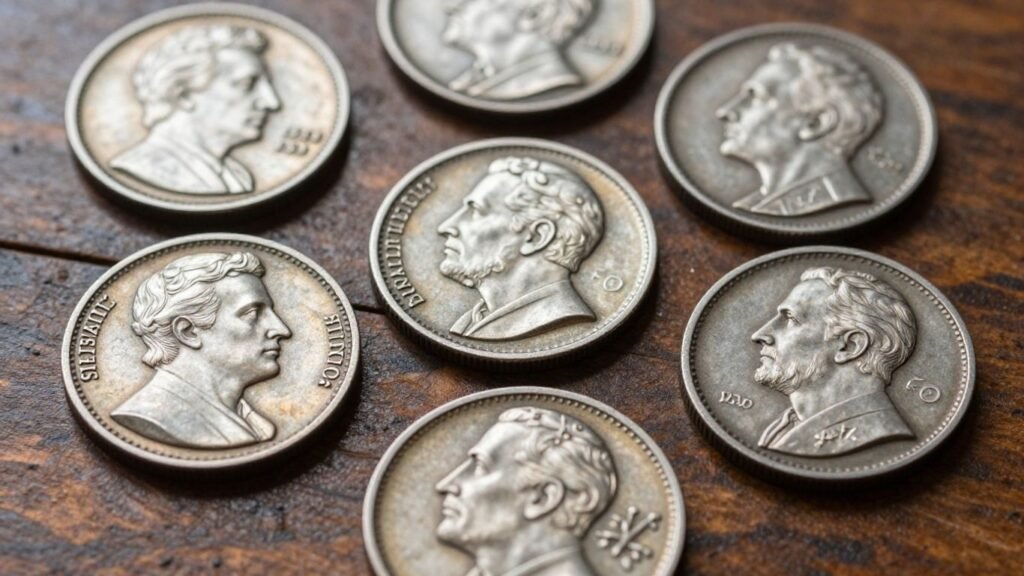
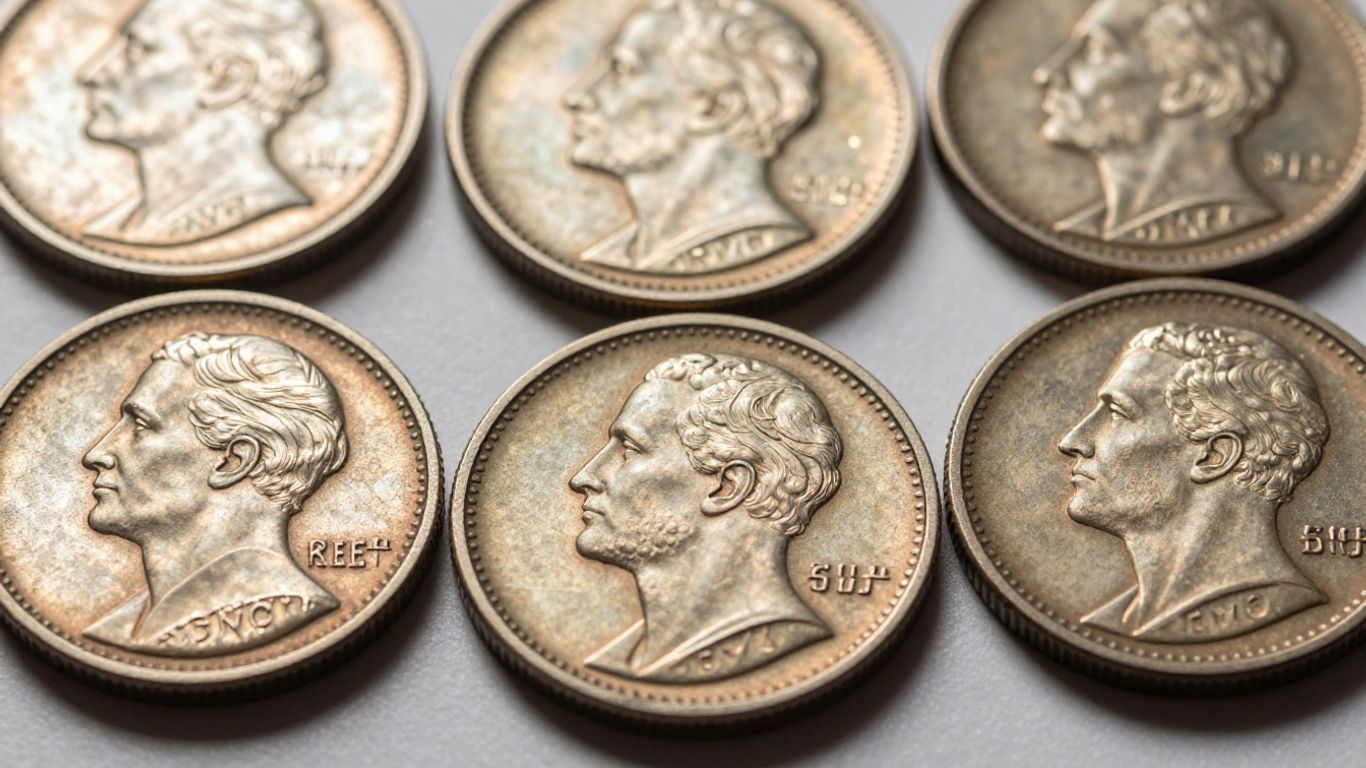
A hobo nickel isn’t just any old carved coin; it’s a specific type of miniature art. These are essentially nickels, most commonly the Buffalo nickel from 1913 to 1938, that have been altered by hand. Artists would take a nickel and, using tools like pocket knives or small files, carve away at the existing design to create a new image. This usually involved reshaping the Indian head on the obverse (front) into a portrait, often a hobo or a notable figure, and sometimes altering the reverse (back) as well. The key is that it’s a modification of the original coin’s design, not just a drawing on it.
The Historical Significance Of Hobo Nickels
These little carvings have a fascinating history tied to a specific time in American life. During the Great Depression and the years leading up to it, many people were on the move, looking for work. These travelers, often called hobos, needed a way to pass the time and perhaps earn a little money. Carving coins was a cheap and portable hobby. The Buffalo nickel was particularly popular because it was relatively soft and thick, making it a good canvas. Artists like Bertram Wiegand and George Washington Hughes became well-known for their work, creating detailed portraits that are still admired today. It’s a piece of folk art that tells a story about resourcefulness and creativity during tough economic times.
Identifying Genuine Hobo Nickels
Spotting a real hobo nickel takes a bit of looking. First, check the coin itself. Most genuine hobo nickels are carved from Buffalo nickels (1913-1938). Look for signs of hand-carving – you’ll see tool marks, not machine precision. The details should look sculpted, not just etched. The portrait, often a bearded man, should have depth and character. Sometimes the date is altered or removed, which is common. Be wary of modern reproductions or coins that look too perfect or have been mass-produced. Genuine pieces often have a certain patina or wear that comes from being handled and admired over decades. If you’re unsure, it’s always best to consult with a coin expert who can help you tell the difference.
Local Coin Shops For Selling Hobo Nickels In Austin
When you’re ready to part with your hobo nickels, Austin has a few local coin shops that might be interested. These places often have a good pulse on the collector market and can offer a fair price, especially if they specialize in numismatic items.
Austin Coin & Stamp
This is a well-established spot in Austin that deals with a variety of coins and stamps. They have a knowledgeable staff who can help you identify and appraise your hobo nickels. It’s worth giving them a call to see if they’re currently looking to buy this specific type of carved coin. They often have a good selection of items for sale, so they might be looking to replenish their inventory.
Texas Numismatics
Another local dealer to consider is Texas Numismatics. They focus on coins and currency, and their expertise could be beneficial when selling something as unique as a hobo nickel. It’s always a good idea to call ahead to confirm they are actively purchasing hobo nickels and to schedule a time to visit.
Local Coin Dealers
Beyond the named shops, Austin has a scattering of other coin dealers. You can often find them through online searches or by asking around at local collector meetups. When visiting any dealer, remember a few things:
- Do your homework: Have a general idea of what your hobo nickel might be worth before you go in. Look at similar items sold online, but be aware that prices can vary.
- Be prepared to negotiate: Dealers need to make a profit, so their initial offer might be lower than what you’re hoping for. Be polite but firm in your discussions.
- Consider the condition: The quality of the carving and the original coin’s condition play a big role in value.
Selling to a local coin shop can be a straightforward process. They have the experience to quickly assess your item and make an offer. Just be sure to visit a few different places if you can to compare what they might offer for your unique piece.
If you’re looking for dealers in other areas, you might find resources like coin dealers near Dothan helpful for comparison.
Austin Area Pawn Shops That Buy Hobo Nickels
Pawn Shops With Coin Expertise
While not every pawn shop is going to be a treasure trove for rare coins, some in the Austin area do have staff who know their stuff when it comes to numismatics. These places might surprise you with their willingness to consider unique items like hobo nickels. It’s always a good idea to call ahead and ask if they have anyone on staff who specializes in coins or collectibles. This can save you a trip and set expectations right from the start. You’re looking for a place that understands the artistry and history behind these carved coins, not just their melt value.
Evaluating Your Hobo Nickel At A Pawn Shop
When you bring your hobo nickel to a pawn shop, the evaluation process will likely be pretty straightforward. They’ll probably look at a few key things:
- The Coin Itself: What denomination was it originally? What year is it from? Is it a common Buffalo nickel or something rarer?
- The Carving Quality: How detailed is the artwork? Is it a simple modification or a complex, artistic piece? The skill of the original carver makes a big difference.
- Condition: Even though it’s carved, the condition of the base coin and the carving matters. Are there any nicks, scratches, or signs of wear on the carving itself?
- Rarity/Artist: If you know who carved it or if it’s a particularly unusual design, that can increase its appeal.
Don’t expect them to be experts on every single hobo nickel artist, but a good pawn shop will recognize a well-done piece. They might compare it to other carved coins or collectibles they’ve seen.
Negotiating Your Sale
Negotiating at a pawn shop is part of the game. Remember that they need to make a profit, so their initial offer will likely be lower than what you might get from a dedicated collector. Do your homework beforehand to understand the general market value of hobo nickels. If you have documentation or know specific details about your coin’s history, bring it up. Be polite but firm. If the offer feels too low, it’s perfectly okay to thank them for their time and explore other options. Sometimes, a pawn shop might offer a trade instead of cash, which could be an option if you’re looking for something else.
Pawn shops operate on a business model that requires them to buy low and sell high. While they can be a convenient option for selling items quickly, it’s important to go in with realistic expectations about the price you’ll receive. They are not typically the place to get top dollar for rare or unique collectibles.
Online Marketplaces To Sell Your Hobo Nickels
Selling your hobo nickels doesn’t have to mean only dealing with local shops. The internet opens up a whole world of potential buyers, from casual collectors to serious numismatists. It’s a great way to reach a wider audience and potentially get a better price for your carved coins.
eBay And Online Auctions
This is probably the first place most people think of when selling things online, and for good reason. eBay has a massive user base, and you can list your hobo nickels for auction or as a fixed-price "Buy It Now" item. The key here is good photos and a clear, honest description. Mention the type of nickel used (like a Buffalo nickel), any details about the carving if you know them, and its condition. Setting up an auction can sometimes drive the price up if multiple people want the same piece.
Here’s a quick look at what to consider:
- Listing Fees: eBay charges fees for listing items and a percentage of the final sale price.
- Shipping: You’ll need to figure out shipping costs and how you’ll package the coin safely.
- Buyer Trust: Building a good seller reputation with positive feedback is important.
Specialty Numismatic Forums
Beyond the big auction sites, there are online communities dedicated specifically to coin collecting. Websites like CoinCommunity or various hobo nickel collector forums can be excellent places to connect with people who truly appreciate these carved coins. Often, these forums have a "For Sale" or "Marketplace" section where you can list your items. The advantage here is that you’re talking directly to enthusiasts who understand the hobby and the value of a well-carved nickel.
Selling Hobo Nickels Directly To Collectors
This is where you might get the most bang for your buck, but it also takes more effort. It involves identifying collectors who are actively looking for hobo nickels and approaching them directly. This could be through specialized collector websites, social media groups focused on hobo nickels, or even by attending virtual coin shows. Building relationships within the collecting community can lead to private sales. You’ll need to be knowledgeable about your coin’s history and condition to make a compelling case.
When selling online, always be upfront about the condition of your hobo nickel. Honesty builds trust and leads to smoother transactions. Take clear pictures from multiple angles, and if you know anything about the artist or the history of the piece, include that information. This can significantly increase its appeal to collectors.
Austin Coin Shows And Collector Events
Attending local coin shows and collector events in the Austin area can be a fantastic way to connect with fellow enthusiasts and potential buyers for your hobo nickels. These gatherings offer a more personal touch than online sales and can sometimes lead to better deals. It’s a chance to see what others are collecting and get a feel for the current market.
Finding Local Coin Shows
Keeping an eye out for upcoming coin shows is pretty straightforward. Local coin clubs often host these events, and they’ll usually advertise them on their websites or through numismatic publications. You can also check with larger coin dealers in the Austin area; they’re usually in the know about what’s happening. Sometimes, these shows are part of larger antique or collector fairs. For example, one popular show in the area runs Friday from noon to 6:00 PM and Saturday from 9:00 AM to 4:00 PM, with admission being $5 for adults for both days, and kids under 17 get in free [5041].
Networking With Collectors At Shows
Coin shows are more than just places to buy and sell; they’re social hubs for collectors. Don’t be shy about striking up conversations. You might meet someone who has a particular interest in hobo nickels or knows someone who does. Showing your coins and talking about their history can spark interest. Remember, a good story often adds to a coin’s appeal. It’s also a great opportunity to learn more about the hobby and get opinions on your own pieces.
Direct Sales Opportunities
When you bring your hobo nickels to a show, you have the chance to sell them directly to collectors or dealers who are actively looking for such items. You can set up a small table if allowed, or simply walk around and talk to vendors. This direct interaction allows for immediate negotiation and, if you’ve done your homework on pricing, can result in a quick and satisfactory sale. It’s a good idea to have a general idea of your coins’ worth before you go, perhaps by consulting resources like the Official Blue Book of United States Coins, which provides price listings from dealers across the country.
Be prepared to talk about your coins. Knowing a bit about their history, the carving style, and any unique features can make them more attractive to potential buyers. It shows you’ve put thought into what you’re selling.
Appraisal Services For Your Hobo Nickels
Before you decide to sell your hobo nickels in Austin, getting a professional appraisal can be a really smart move. It’s not always about getting a fancy certificate, but more about understanding what you actually have. Think of it like getting an estimate before a big repair job – you want to know the potential cost, or in this case, the potential value.
Professional Coin Appraisers In Austin
Austin has a few places where you can get coins looked at. While not every shop specializes in hobo nickels specifically, many coin dealers and some jewelers have appraisers on staff who can help. You might find that some places are better equipped to handle these unique carved coins than others. It’s worth calling ahead to see if they have experience with this type of numismatic art. Sometimes, a general coin dealer might be able to give you a ballpark figure, but for a truly accurate assessment, you might need someone with a bit more niche knowledge. If you’re looking for appraisal services, you might find resources similar to those found for coin dealers near Decatur.
Understanding Hobo Nickel Valuation
So, how do they figure out what a hobo nickel is worth? It’s a mix of things. The condition of the original nickel is a big part of it – was it a Buffalo nickel, and is the date readable? Then there’s the quality of the carving itself. Is the artwork detailed and well-executed? Who carved it, if known? Sometimes, the artist’s name can add a lot to the value. The overall eye appeal, meaning how pleasing it looks to the average collector, also plays a role. Finally, the current market demand for hobo nickels influences the price.
Here’s a quick look at factors affecting value:
- Original Coin Condition: The better the starting nickel, the better.
- Carving Quality: Detail, artistry, and execution matter.
- Artist’s Reputation: Known carvers often command higher prices.
- Subject Matter: Some carved designs are more popular than others.
- Rarity: Unique or rare carvings can be more sought after.
When To Get An Official Appraisal
Getting an official appraisal is probably a good idea if you think your hobo nickel might be particularly old, rare, or exceptionally well-carved. If it was passed down through your family and there’s a story attached to it, that could also be a reason to get it checked out. For most common hobo nickels, a good conversation with a reputable local coin dealer might be enough to get a sense of its worth. However, if you’re dealing with what you suspect is a high-value piece, or if you just want absolute certainty before selling, then seeking out a specialist appraiser is the way to go. It helps you avoid selling yourself short.
Sometimes, the most valuable information comes from simply talking to people who know the market. Don’t be afraid to ask questions and get a few opinions before you commit to a sale. It’s your collection, and you deserve to know its true worth.
Preparing Your Hobo Nickels For Sale
Before you head out to sell your hobo nickels in Austin, TX, taking a little time to get them ready can make a big difference. It’s not about making them look brand new, but more about presenting them in the best possible light. Think of it like getting dressed up for an important meeting – you want to make a good first impression.
Cleaning Your Hobo Nickels Safely
This is a tricky one. Most collectors prefer hobo nickels to be in their original, uncleaned state. Aggressive cleaning can actually lower the value because it removes the patina and can create visible scratches. If you absolutely feel the need to clean them, go for the gentlest method possible. A soft brush, like a camel hair brush, and distilled water is usually the safest bet. Avoid harsh chemicals, abrasive cloths, or even ultrasonic cleaners. The goal is to remove loose dust, not to polish the coin. If you’re unsure, it’s often best to leave them as they are. Sometimes, a light rinse with distilled water and a gentle pat dry with a soft, lint-free cloth is all that’s needed.
Documenting Your Hobo Nickels
Having some information about your hobo nickel can be really helpful for potential buyers. You don’t need a full historical dissertation, but a few key details can go a long way. Try to gather:
- The original coin: What denomination was it before it was carved? (Usually a Buffalo nickel, but not always).
- The carver (if known): Do you have any information about who might have created it? This is rare, but if you do, it’s a big plus.
- Any unique features: Does it have a distinctive design, a particular style of carving, or any unusual marks?
- Acquisition details: How did you come to own it? Was it inherited, or did you find it somewhere interesting?
This kind of information can add to the story of the coin and make it more appealing. It’s like knowing the backstory of a piece of art.
Understanding Market Value
Before you even think about selling, you need a general idea of what your hobo nickel might be worth. This isn’t always straightforward, as prices can vary quite a bit. Factors like the quality of the carving, the condition of the original coin, the rarity of the design, and the reputation of the carver all play a role. You can get a rough idea by looking at what similar coins have sold for recently. Websites that track auction results or specialized numismatic forums can be good places to start. It’s also worth checking out resources like Cash In Your Coins for general advice on valuing collections.
It’s important to remember that hobo nickels are a form of folk art. While they are coins, their value often comes from the artistry involved, not just their numismatic rarity. Collectors are looking for well-executed carvings with character and historical appeal. Don’t be surprised if a coin that looks common on the surface commands a higher price due to the skill of the carver.
Maximizing Your Sale Price For Hobo Nickels In Austin
So, you’ve got a hobo nickel, maybe a few, and you’re looking to get the best price possible here in Austin. It’s not just about finding a buyer; it’s about making sure you get what your unique piece is worth. Think of it like selling a piece of art – presentation and knowing your audience really matter.
Timing Your Sale
When you decide to sell can actually make a difference. Coin markets, like any market, have their ups and downs. While hobo nickels are a bit niche, general interest in collectibles can fluctuate. Keep an eye on numismatic news or talk to local dealers about current trends. Sometimes, waiting a few months can mean a better offer, especially if a particular style or artist becomes more popular.
Presentation Matters
This is where you can really shine. How you present your hobo nickel can significantly impact a buyer’s perception and offer.
- Handling: Always handle your hobo nickels by the edges. Fingerprints and oils can damage the patina over time, which is a big part of their appeal.
- Cleaning: Resist the urge to clean them yourself! Unless it’s absolutely necessary and you know what you’re doing, cleaning can actually decrease the value. A professional might be able to do it safely, but often, the original patina is best left untouched.
- Storage: Keep them in a safe place. A simple coin flip or a small, inert display case is usually sufficient. Avoid plastic bags or anything that could react with the metal.
- Information: If you have any history or provenance for the coin – like where you got it, or if you know the artist – gather that information. Even a story about how it came into your possession can add character.
Considering Multiple Offers
Don’t just take the first offer that comes your way. It’s wise to shop your hobo nickel around a bit. Visit a few different coin shops in Austin, talk to dealers at shows, or even consider online avenues if you’re comfortable. Each buyer will have their own perspective on value and what they’re willing to pay. Getting a few different opinions can give you a clearer picture of the market value and help you negotiate a better deal. It might take a little extra effort, but it could mean a much better payday for your unique piece of numismatic art.
Selling a hobo nickel isn’t quite like selling a regular coin. These are carved by hand, each one a little different. Buyers often look for the quality of the carving, the artist’s skill if known, and the overall aesthetic appeal. Think about what makes your nickel special and highlight that when you talk to potential buyers.
Wrapping It Up
So, you’ve got these cool hobo nickels and you’re in Austin, looking to sell. We’ve talked about a few spots where you might find a buyer, from local coin shops to maybe even some online avenues if you’re feeling adventurous. Remember, these aren’t just old coins; they’re tiny pieces of art with a story. Take your time, do a little homework on what you have, and hopefully, you’ll find someone who appreciates them as much as you do. Good luck out there!
Frequently Asked Questions
What exactly is a hobo nickel?
A hobo nickel is a cool piece of art made by changing a regular U.S. nickel coin. Someone carves a new design, usually a person’s face, onto the coin. The Buffalo nickel from 1913 to 1938 was super popular for this because it was easy to carve and had a nice design to start with.
Why are they called 'hobo' nickels?
They got the name ‘hobo nickel’ because travelers and hobos, who moved around a lot, used to make and trade these carved coins. It was a way for them to create art and make a little money or trade for goods while on the road.
Are all carved nickels valuable?
Not all of them are super valuable. The value really depends on how good the carving is, the skill of the artist, and if the coin itself is rare or in great shape. Some famous artists made hobo nickels that are worth a lot more than others.
How can I tell if my hobo nickel is real or fake?
Real hobo nickels were hand-carved a long time ago, usually on older nickels like the Buffalo nickel. Look for signs of hand-tooling and a unique artistic style. Modern reproductions might look too perfect or have machine-like precision, which is a giveaway.
Should I clean my hobo nickel before selling it?
Generally, no! Cleaning a coin, especially a collectible one like a hobo nickel, can actually hurt its value. You might accidentally remove details or add scratches. It’s best to leave it as is unless a professional numismatist advises otherwise.
Where in Austin can I sell my hobo nickel?
In Austin, you can try local coin shops that specialize in rare coins, like Austin Coin & Stamp or Texas Numismatics. Some pawn shops might also be interested, especially if they have experts who know about coins. You could also look into coin shows or sell directly to collectors online.
What information do I need when selling?
It’s helpful to know the type of nickel it’s carved on (like a Buffalo nickel), any details about the artist if you know them, and the general condition of the coin. Having a rough idea of what similar hobo nickels have sold for can also help you set a fair price.
Is it better to sell online or in person in Austin?
Selling in person in Austin lets you get immediate offers and cash, and you can talk directly with buyers. Selling online, like on eBay or collector forums, might reach a wider audience and potentially get you a higher price, but it takes more time and effort to list and ship.