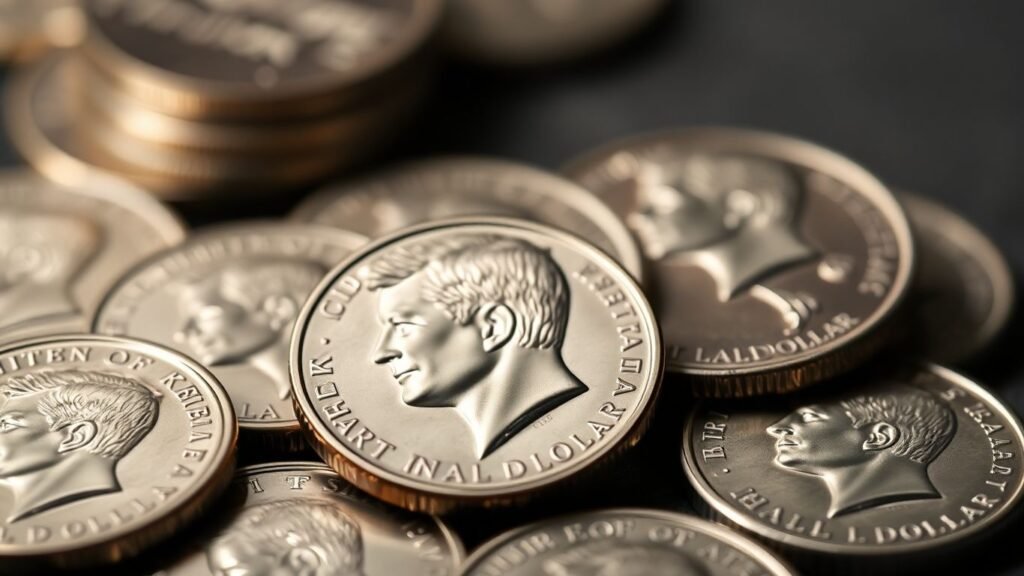
Thinking about selling your Kennedy half dollars in Austin? It’s a good idea to know what makes them valuable and where to find buyers. This guide will help you figure out the best ways to sell your coins, whether you’re looking at local shops, online options, or coin shows. We’ll cover how to get a fair price and avoid common mistakes when you decide to sell Kennedy half dollars in Austin.
Key Takeaways
- Understand what makes your Kennedy half dollars valuable, like their date, condition, and mint mark.
- Explore different places to sell in Austin, including coin shops, online platforms, and local coin shows.
- Learn how to prepare your coins for sale to get the best possible offer.
- Know how to appraise your coins and negotiate a fair price.
- Be aware of common selling pitfalls and how to avoid scams when you sell Kennedy half dollars Austin.
Where To Sell Kennedy Half Dollars In Austin
So, you’ve got a stash of Kennedy half dollars sitting around and you’re wondering what to do with them, especially if you’re in the Austin area. It’s not as complicated as it might seem at first. There are several avenues you can explore to get a fair price for your coins. Understanding where to sell is the first step to making sure you get the most for your collection.
Understanding Your Kennedy Half Dollars
Before you even think about selling, it’s good to know what you have. Not all Kennedy half dollars are created equal. Some are common circulation strikes, while others might be proofs, special mint sets, or even made of silver. The year, mint mark (like ‘D’ for Denver or ‘S’ for San Francisco), and condition all play a big role in how much they’re worth.
- Circulation Strikes: These are the coins you’d typically find in your change. Most from the 1970s onward are not worth much more than face value unless they’re in exceptionally good condition.
- Silver Kennedy Half Dollars: Coins minted from 1964 through 1970 are made of 90% silver. These have intrinsic value based on the silver content, which can fluctuate. Even circulated silver halves are worth more than their face value.
- Proof Coins: These are specially made coins, often with a mirror-like finish and frosted details. They are usually sold in sets by the U.S. Mint and are generally more valuable than regular issue coins.
- Mint Errors: Sometimes, coins have mistakes during the minting process. These can be quite valuable to collectors, but they’re also rare.
Factors Influencing Value
Several things can make your Kennedy half dollars more or less desirable to buyers. It’s not just about the date.
- Date and Mint Mark: Key dates like 1964 (the first year) and certain mint marks can be more sought after.
- Condition (Grade): A coin that looks like it just came from the mint will fetch a much higher price than one that’s been heavily worn.
- Metal Content: As mentioned, the silver coins (1964-1970) have a base value due to their silver content.
- Rarity: Fewer coins produced for a specific year and mint mark generally means higher value.
- Demand: What collectors are looking for right now also impacts price.
Preparing Your Coins For Sale
Don’t just toss your coins in a baggie. A little preparation can go a long way. You don’t need to be a professional grader, but some basic steps can help.
- Organize: Group your coins by year and mint mark. This makes it easier for a buyer to assess them.
- Handle with Care: Always hold coins by their edges to avoid fingerprints, which can damage the surface over time.
- Avoid Cleaning: This is a big one. Cleaning coins, especially with abrasive materials, can severely damage them and drastically reduce their value. Let the professionals or experienced collectors handle any cleaning if it’s deemed necessary.
When you’re ready to find out what your coins are worth and where to sell them, Austin has a few options, from local coin shops to online platforms. You might even find pawn shops in Austin that deal in coins, though their offers might be lower than specialized dealers.
Selling coins can be a bit of a treasure hunt. It’s always a good idea to do a little homework before you head out the door. Knowing what you have and what similar coins are selling for will give you a much better starting point when you talk to potential buyers.
Local Coin Shops In Austin
When you’re ready to sell your Kennedy Half Dollars, heading to a local coin shop in Austin can be a good move. These places often have a steady stream of collectors and investors coming through, and they know the market pretty well. It’s usually best to visit a few different shops to compare offers.
Reputable Dealers For Selling Coins
Finding a trustworthy dealer is key. Look for shops that have been around for a while and have good reviews. Some places might specialize in certain types of coins, so it’s worth checking if they have experience with half dollars. You can often find lists of local dealers online, which can be a good starting point. For example, Austin Coins and Jewelry is a well-known spot in the area.
What To Expect During An Appraisal
When you bring your coins in, the dealer will likely take a look at them to figure out what they’re worth. They’ll check the date, mint mark, and the condition of the coin. They might also look for any special features or errors that could increase the value. It’s a good idea to have a general idea of what you have before you go in, but let them do their professional assessment.
Here’s a general idea of what they’ll be looking at:
- Date and Mint Mark: When and where the coin was made.
- Condition (Grade): How worn or pristine the coin is.
- Metal Content: Especially important for older silver half dollars.
- Rarity: How many were made, and how many still exist.
Negotiating Your Best Offer
Don’t be afraid to ask questions about their offer. A good dealer will explain how they arrived at their price. If you have multiple offers from different shops, you can use that information to negotiate. Remember, they are running a business, so they need to make a profit, but you should still aim for a fair price for your coins. It’s a bit of a dance, and knowing your coins’ potential value beforehand really helps.
Selling coins locally means you get immediate payment and can see the buyer face-to-face. It cuts out a lot of the hassle that comes with shipping or waiting for online payments.
Online Marketplaces For Selling Coins
Choosing The Right Platform
When you’re ready to sell your Kennedy Half Dollars, the internet opens up a world of possibilities beyond just local shops. Online marketplaces can connect you with buyers all over, potentially leading to better prices, especially for rarer coins. But with so many options, where do you even start? It’s not just about picking the first site you see; you need to think about what works best for your specific coins and your comfort level with selling online.
Some platforms are geared towards collectors looking for specific items, while others are more general auction sites. You’ll want to consider things like fees, how easy the site is to use, and what kind of audience it attracts. Doing a little homework on each platform can save you a lot of hassle later on.
Listing Your Kennedy Half Dollars
Once you’ve picked your platform, it’s time to get your coins ready for listing. This means taking clear, well-lit photos from multiple angles. Show off the front, back, and any edges or details that might be important. Be honest about the condition of the coin; collectors can spot misrepresentations a mile away. Write a detailed description that includes the year, mint mark, and any special features. If you know it’s a silver Kennedy, definitely mention that!
Here’s a quick checklist for your listing:
- Coin Details: Year, mint mark (e.g., 1964-D), metal content (silver or clad).
- Condition: Describe its state honestly. Use terms like "uncirculated," "proof," or note any visible wear or damage.
- Rarity: Mention if it’s a key date, a rare variety, or part of a special set.
- Photos: High-quality images are a must.
Shipping And Payment Considerations
Selling online means you’ll have to deal with shipping and getting paid. For shipping, always use a reliable method, preferably with tracking and insurance, especially for valuable coins. You don’t want your hard-earned cash to disappear in the mail! Packaging is important too; make sure the coins are secure and won’t get damaged during transit. Bubble mailers or small boxes work well.
When it comes to payment, most platforms offer secure payment processing. Understand the fees involved and how long it takes to get your money. Some buyers might prefer certain payment methods, so be clear about what you accept. It’s always a good idea to wait until payment has cleared before you ship the coin.
Dealing with online sales requires a bit of extra care. Be patient, communicate clearly with potential buyers, and always prioritize secure transactions. It might seem like a lot, but reaching a wider audience can really pay off in the end.
Austin Coin Shows And Events
Finding Upcoming Shows
Austin and the surrounding areas often host coin shows throughout the year. These events are fantastic places to meet other collectors and dealers. To find out when and where they’re happening, you can check out websites like the American Numismatic Association (ANA) or local coin club listings. Sometimes, local coin shops will also post flyers or have information about upcoming shows. Keep an eye on community boards at these shops for the most current details.
Selling Directly To Collectors
Coin shows offer a unique chance to sell your Kennedy Half Dollars directly to people who are actively looking for them. Unlike selling to a dealer who needs to make a profit, collectors might pay closer to retail value if they really want a specific coin for their collection. It’s a good idea to have a general idea of what your coins are worth before you go, but be prepared to negotiate.
Here’s what you might find at a typical coin show:
- Dealers: Many dealers will be present, buying and selling a wide range of coins.
- Collectors: Enthusiasts looking to add to their own collections.
- Information Booths: Sometimes, organizations or clubs will have tables with educational materials.
Networking With Other Enthusiasts
Beyond just buying and selling, coin shows are great for meeting people. You can chat with experienced collectors, learn about different types of coins, and get tips on how to identify rare varieties. Building relationships in the coin community can be really helpful down the line, whether you’re looking to buy, sell, or just learn more.
Attending coin shows can be a really rewarding experience. It’s not just about the money you might make or spend, but also about the connections you build and the knowledge you gain. You never know who you’ll meet or what you’ll learn.
Appraisal Services In Austin
Professional Coin Appraisers
Getting a professional appraisal for your Kennedy Half Dollars is a smart move, especially if you’re looking to sell. It’s not just about finding out what they’re worth; it’s about getting a clear picture of their condition and potential value. In Austin, you’ve got a few options for this. Some local coin shops offer appraisal services, often for free if you’re considering selling to them. However, for a truly unbiased opinion, especially for valuable or rare coins, you might want to look into independent appraisers.
These professionals often belong to organizations like the American Numismatic Association (ANA) or the Professional Numismatists Guild (PNG). They have a deep knowledge of coins, including specific varieties of Kennedy Half Dollars, and can spot details that might be missed by a general dealer. An independent appraisal gives you a solid baseline for negotiations.
Understanding Appraisal Reports
When you get an appraisal, you’ll usually receive a written report. This document is more than just a price tag. It should detail:
- Coin Identification: The exact date, mint mark, and denomination of your coin.
- Condition (Grading): A description of the coin’s physical state, often using a standardized grading scale (like the Sheldon scale from 1 to 70). This covers things like wear, luster, and any damage.
- Key Features: Notes on any special characteristics, such as errors, toning, or historical significance.
- Estimated Value: This might be presented as a range, reflecting different market conditions or sale types (e.g., retail value vs. wholesale value).
It’s important to understand that an appraisal is an opinion of value at a specific point in time. The market can change, and what a coin is worth when sold can differ from its appraised value.
Using Appraisals To Inform Sales
So, you’ve got your appraisal report. Now what? This document is your best friend when you decide to sell. It gives you the confidence to know what your coins are reasonably worth. If a buyer offers you less than the appraised value, you know to push back or look elsewhere. Conversely, if your appraisal comes in lower than you expected, it helps you set realistic expectations.
Think of the appraisal as your starting point. You can use it to:
- Set a target selling price.
- Compare offers from different buyers.
- Identify which coins are most valuable and might be worth holding onto or selling individually.
- Understand if your coins are common circulation finds or something more special.
Getting an appraisal isn’t always about finding out how much money you can make. Sometimes, it’s about learning the story behind your coins and appreciating their place in history. It’s a way to connect with the past and understand the tangible value of what you own.
Selling Specific Kennedy Half Dollar Varieties
Not all Kennedy half dollars are created equal, and knowing the differences can really help when you’re looking to sell. Some years and mint marks are much more common than others, while certain special issues can fetch a pretty penny. Let’s break down what makes some Kennedys stand out.
Identifying Rare Dates and Mint Marks
While the Kennedy half dollar series started in 1964, not every coin produced is a treasure. The real value often lies in specific dates and mint marks that were produced in smaller quantities or have unique characteristics. For instance, the 1964 proof coins are generally more sought after than their regular issue counterparts. Also, coins from the Denver mint (D) or San Francisco mint (S) can sometimes be scarcer than those from Philadelphia (P), depending on the year.
Here are a few things to look out for:
- Early Dates: The initial run from 1964 is significant because it was the first year the coin was minted. Proof versions of the 1964 coin, especially those with deep mirror finishes, are often more desirable.
- Mint Mark Clues: Keep an eye out for coins with an ‘S’ mint mark from the early years, particularly those designated as proofs. These were often made in limited numbers.
- Special Strikes: Look for coins that are specifically marked as ‘Proof’ or ‘Uncirculated’ from the mint. These are made with special dies and planchets for collectors and are usually in much better condition.
Selling Proof and Uncirculated Coins
Proof coins are made using special polished dies and planchets, struck multiple times to bring out fine details. They often have a mirror-like background and frosted design elements. Uncirculated coins, on the other hand, are regular issue coins that have never been used in commerce and retain their original mint luster. Both types are generally worth more than circulated coins.
When selling these, condition is everything. Even a small scratch or wear mark can significantly reduce the value. It’s best to keep them in their original mint packaging or a protective holder if possible. If you have a collection of these, consider selling them as a set, as this can sometimes increase their appeal to buyers.
Dealing with Silver Kennedy Half Dollars
This is a big one. From 1964 to 1970, Kennedy half dollars were made with 40% silver. Before that, in 1964, they were made with 90% silver. After 1970, they switched to a copper-nickel clad composition, meaning they contain no silver. The silver content itself gives these coins a melt value, which can fluctuate with the price of silver.
Here’s a quick rundown:
- 1964: 90% silver. These are the most common silver Kennedy half dollars.
- 1965-1970: 40% silver. These are also considered silver coins.
- 1971 and later: Clad (copper-nickel). No silver content.
When selling silver Kennedy half dollars, you’ll want to know if you have the 90% or 40% silver variety. While both have silver value, the 90% coins are generally more desirable to collectors beyond just their silver content. You’ll likely get offers based on both their numismatic (collector) value and their silver melt value. It’s important to research the current silver price to have a baseline for your expectations.
Understanding the specific variety of Kennedy half dollar you possess is key to getting a fair price. Don’t just assume all Kennedys are worth the same; a little research goes a long way in determining their true worth.
Maximizing Your Sale Price
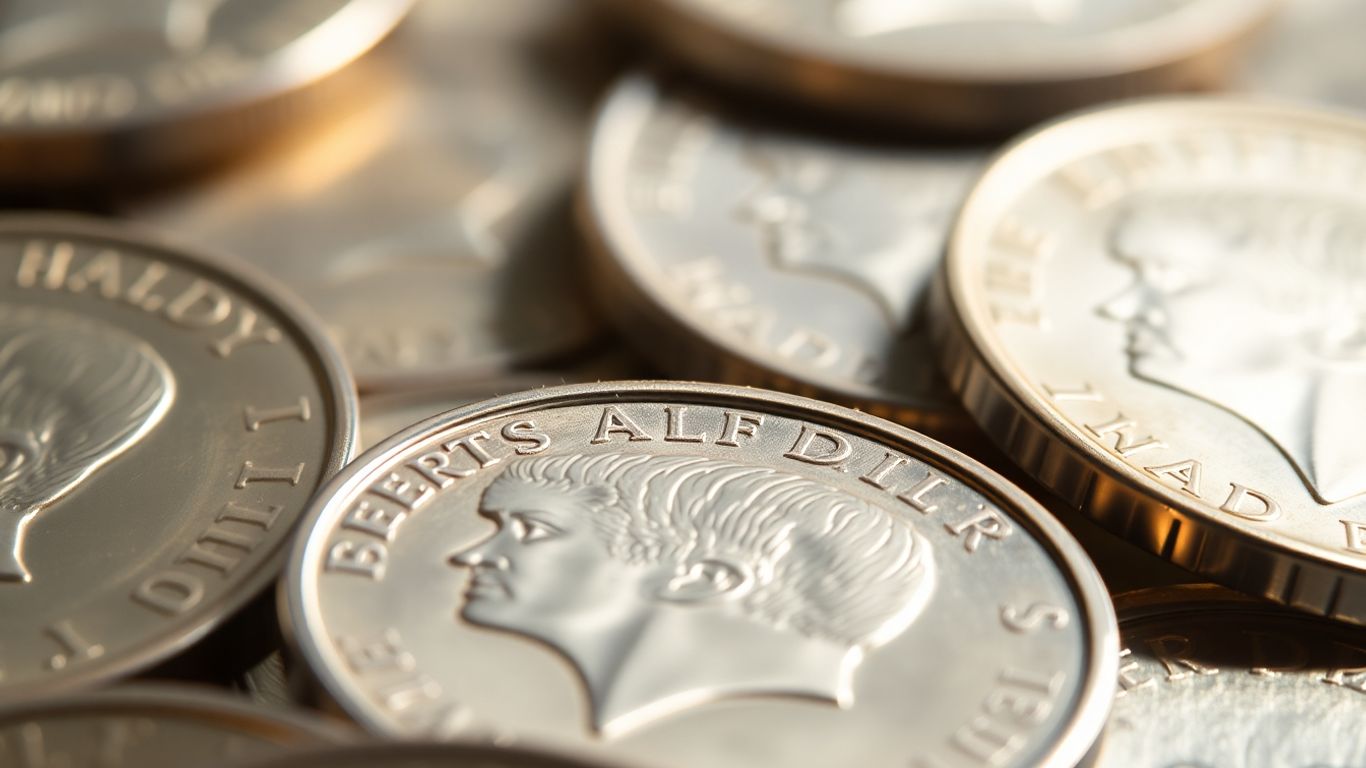
So, you’ve got some Kennedy Half Dollars and you’re ready to sell them. That’s great! But how do you make sure you’re getting the most cash for them? It’s not just about finding a buyer; it’s about being smart about the whole process. Timing your sale and knowing your coins are key.
Timing Your Sale
When you decide to sell can actually make a difference. Coin markets, like any market, have ups and downs. Sometimes demand for certain coins is higher, and other times it’s lower. Keep an eye on what’s happening in the coin collecting world. Are there any big events or anniversaries coming up that might make Kennedy Half Dollars more popular? Selling when interest is high can definitely help.
Understanding Market Trends
It’s a good idea to get a feel for what collectors are looking for right now. Are silver coins in high demand? Are people particularly interested in specific years or mint marks of Kennedy Half Dollars? Checking out online auction sites or coin dealer inventories can give you a clue. For example, seeing a lot of activity around silver coins might mean it’s a good time to sell your silver Kennedy Half Dollars. You can check out places that deal with precious metals, like East Texas Gold & Silver.
Considering Bulk Sales
Sometimes, selling a large number of coins all at once can be more efficient and potentially more profitable, especially if you have many common date coins. Instead of selling each one individually, you might get a better overall price by offering them as a lot. This can save you time and effort, and some buyers are looking to acquire quantity. However, if you have rare or particularly valuable coins, selling them individually is usually the way to go.
Selling coins isn’t always straightforward. It pays to do a little homework before you accept an offer. Knowing what you have and what the market is like puts you in a much stronger position to get a fair price.
Avoiding Common Selling Pitfalls
Selling your Kennedy Half Dollars can be a rewarding experience, but it’s easy to stumble into a few traps if you’re not careful. Think of it like trying to assemble furniture without the instructions – you might get there, but it’s going to be a bumpy ride. Let’s talk about how to steer clear of the common mistakes that can cost you money or lead to a bad deal.
Recognizing Overpriced Offers
Sometimes, a buyer might throw out a number that sounds really good at first glance. It’s tempting to jump on it, especially if you’re eager to sell. But always do your homework before accepting an offer. What seems like a jackpot could actually be way below what your coins are truly worth, especially if they’re rare dates or in great condition. You need to know the general market value for similar coins. A quick look at online auction results or price guides can give you a baseline. Don’t be afraid to say no if an offer feels off. It’s better to wait for a fair price than to regret selling too low.
Protecting Yourself From Scams
Unfortunately, the coin collecting world isn’t immune to scams. Some people try to take advantage of sellers who aren’t as knowledgeable. Be wary of buyers who pressure you to sell quickly, ask for personal information beyond what’s needed for a transaction, or offer payment methods that seem unusual. If someone offers to buy your coins sight unseen for a fixed price, that’s a big red flag. Always try to meet in a safe, public place if selling locally, and if selling online, stick to reputable platforms with buyer and seller protections.
The Importance Of Research
This is the big one, really. You wouldn’t try to sell a car without knowing its make, model, and condition, right? Coins are no different. Before you even think about selling, spend some time learning about what you have.
- Identify the date and mint mark: This is the most basic step. Is it a 1964? A 1971-D? Knowing this is step one.
- Check the condition: Is it worn from circulation, or does it look like it just came from the mint? Look for scratches, nicks, or heavy wear.
- Look for special features: Are there any proofs, errors, or special mint marks that might increase value?
- Compare with sold listings: See what similar coins have actually sold for, not just what people are asking.
Doing your research isn’t just about getting the best price; it’s about understanding the history and significance of the coins you own. It gives you confidence when talking to potential buyers and helps you spot when someone isn’t being straight with you. It’s the foundation for a successful sale.
Wrapping It Up
So, you’ve got some Kennedy half dollars sitting around and you’re in Austin, wondering what to do with them. We’ve looked at a few spots, from local coin shops to online options. Remember, the condition of your coins really matters when it comes to getting a good price. Do a little homework on what you have before you head out. Whether you’re looking to sell a few or a whole collection, there are definitely places in and around Austin that can help you out. Good luck with your coin selling adventure!
Frequently Asked Questions
How do I know if my Kennedy half dollar is valuable?
Look at the year it was made and where it was minted (the mint mark, usually a small D or S). Coins from earlier years, especially those made of silver (before 1965), or ones with rare mint marks can be worth more. Also, the condition of the coin is super important – a coin that looks brand new is usually worth more than one that’s worn out.
Where can I sell my Kennedy half dollars in Austin?
You have a few good options in Austin. You can visit local coin shops, which are experts in coins and can give you a fair price. Sometimes, coin shows or collector events are great places to sell directly to people who really want them. You can also try selling online through websites where collectors buy and sell coins.
What makes some Kennedy half dollars worth more than others?
It’s a mix of things! The year and mint mark matter a lot. For example, silver Kennedy half dollars made before 1965 are generally more valuable because of the silver content. Also, coins that are in really good shape, meaning they look almost new or have no scratches, are worth more. Special editions like proof coins can also fetch higher prices.
Should I clean my coins before selling them?
Generally, no. Cleaning a coin can actually lower its value because it can leave tiny scratches or remove some of its original shine. It’s best to leave them as they are. If you’re unsure, ask a coin expert before doing anything.
What's the difference between a regular coin and a proof coin?
Proof coins are special versions made by the mint for collectors. They are made with extra care, often polished dies and planchets, and struck multiple times to create a very detailed and shiny look. They usually have a mirrored background and frosted design. Regular coins, also called business-strike coins, are made for everyday use.
How do coin shops determine the price of my coins?
Coin shops look at several things. They’ll check the coin’s date and mint mark to see if it’s rare. They also assess its condition, looking for wear, scratches, or damage. The current market price for the metal (like silver) and how much demand there is for that specific coin also play a big role in their offer.
Is it better to sell my coins individually or as a group?
It depends on the coins. If you have a few really rare or valuable coins, selling them one by one might get you the best price. However, if you have a lot of common coins, selling them as a collection or in a bulk lot might be easier and quicker, and still bring in a decent amount.
What should I do if I get an offer that seems too good to be true?
If an offer sounds way better than what you expected, be cautious! It might be a scam, or they might be trying to trick you. Always do your own research to understand what your coins are worth. Get opinions from a few different places, like multiple coin shops or reliable online resources, before accepting any offer.