Thinking about selling your Mercury dimes in Austin? It can be a bit of a puzzle figuring out where to get a fair price. Maybe you’ve got a few old coins lying around, or perhaps you’re looking to cash in on a collection. Whatever your reason, knowing the local spots that buy coins is the first step. This guide will point you toward some of the coin buyers in the Austin area who might be interested in what you have.
Key Takeaways
- Austin Coin Buyers offers quick appointments and fair offers for coins in Sunset Valley and surrounding areas.
- Austin Rare Coins & Bullion has been a trusted dealer since 1989, specializing in rare coins and precious metals with an A+ BBB rating.
- Austin’s Best Coin and Gold Exchange in Round Rock pays top dollar for coins and collections, accepting any condition.
- Many local dealers buy 90% silver coins, including dimes minted before 1965, often trading them for their silver content.
- When looking to sell mercury dimes Austin, consider dealers who also handle rare and collectible coins, as well as gold and silver bullion.
1. Austin Coin Buyers
If you’re looking to sell your Mercury dimes in Austin, Austin Coin Buyers is a solid choice to consider. They’re known for providing a straightforward process for turning your coins into cash. They offer free appraisals, which is a great way to get an idea of what your collection is worth without any initial cost.
Austin Coin Buyers handles a variety of items, not just dimes. They buy gold and silver coins, bullion, and other collectibles. This means if you have more than just Mercury dimes, they can likely help you out with those too. They aim to make the selling experience as easy as possible for folks in the Austin area, including nearby neighborhoods like Sunset Valley. You can often schedule appointments quickly, sometimes even for the same or next day, which is pretty convenient if you’re eager to sell.
Here’s what you can expect:
- Free Appraisals: Get a clear valuation of your coins.
- Flexible Meeting Options: They can meet you at their office, your home, or a local spot.
- Quick Service: Often able to schedule appointments within a day or two.
- Fair Offers: They focus on giving you a good price for your items.
They work with customers throughout Sunset Valley and surrounding areas, making it easy for many local residents to get their coins evaluated and sold. It’s good to know there are places like Austin Coin Buyers that make this process less of a hassle.
2. Austin Rare Coins & Bullion
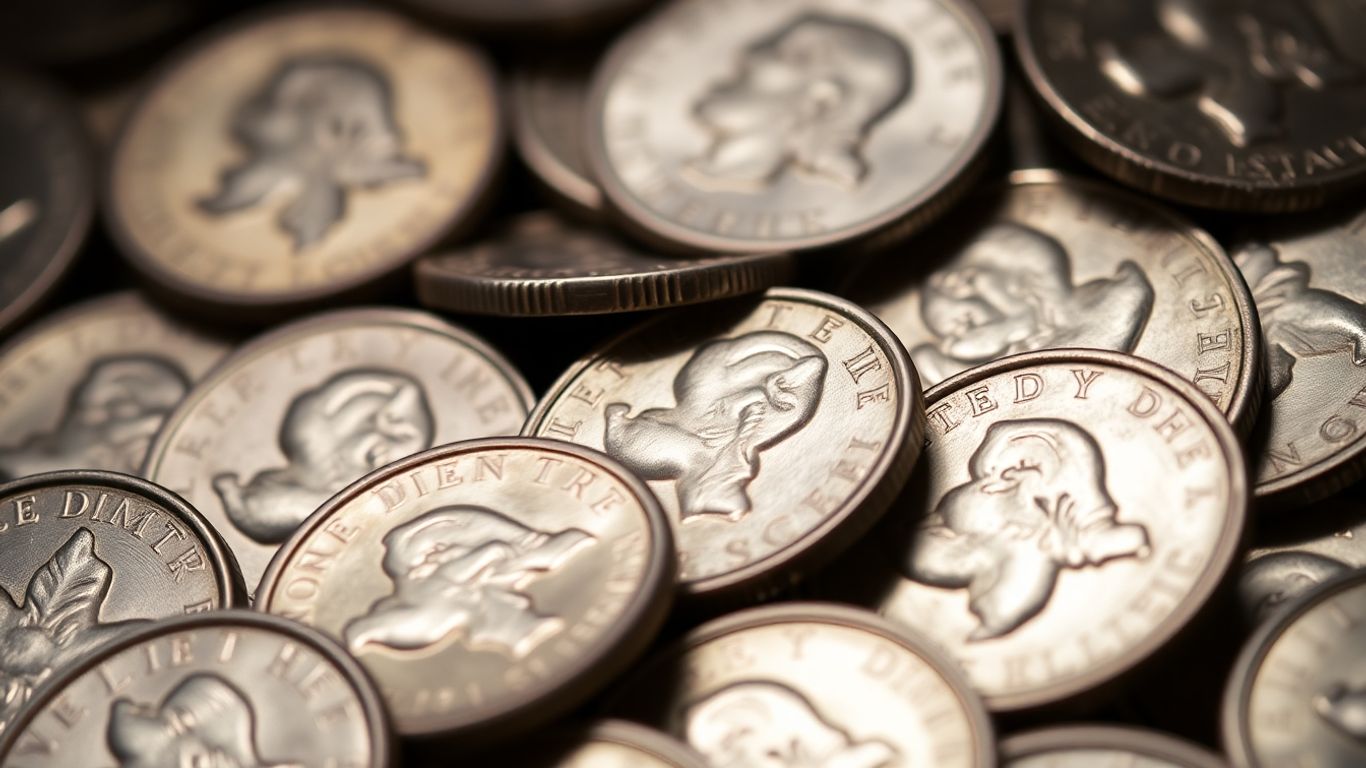
Austin Rare Coins & Bullion has been around since 1989, which is a pretty long time in the coin dealing world. They’ve handled a lot of business over the years, dealing with tens of thousands of clients. If you’re thinking about precious metals as a way to protect your money, especially when the economy gets shaky, these guys have a lot of experience. They talk about how gold and silver have been safe places for people’s money for ages, during tough times like recessions or market ups and downs. Having some physical gold or silver can be like insurance for your finances.
Their team seems pretty knowledgeable, with many advisors having worked in the business for over two decades. They can help you figure out how to build a collection or invest in precious metals, whether you’re looking to hedge against inflation or find specific rare coins. They mention that their advice is free, which is nice. You can reach them by phone or visit their offices by appointment. They’ve done over a billion dollars in transactions and have an A+ rating with the BBB, which suggests they’re a reputable place to do business with.
They deal with a variety of items, including:
- Rare U.S. coins
- Ancient coins
- World coins
- Gold and silver bullion
Precious metals and rare coins can be a good way to diversify your assets. It’s not just about making a quick buck; it’s often about long-term financial security and preserving wealth. Thinking about adding these to your portfolio might be worth considering, especially if you’re looking for something tangible outside of traditional stocks and bonds. They focus on helping clients build balanced portfolios with an emphasis on safety and privacy.
If you’re interested in selling your Mercury dimes or other coins, they are a well-established option in the Austin area. They’ve been a leader in the industry for a long time, and their experience might be helpful when you’re trying to get a fair price for your collection. You can find more information about their services and history on their website, or give them a call to discuss your needs. They also have a presence in the broader Austin coin market, similar to other dealers like Austin Coin Buyers.
3. Austin's Best Coin and Gold Exchange
If you’re looking to sell your Mercury dimes or any other coins in the Austin area, Austin’s Best Coin and Gold Exchange is a place to consider. They focus on buying gold, silver, and platinum, and they mention paying more than ever for coins and collections, regardless of their condition. This could be good news if your Mercury dimes aren’t in perfect shape.
They also buy other items like class rings, broken jewelry, and sterling silver, so if you have a mix of valuables, they might be a one-stop shop. It’s a good idea to call ahead to schedule a private appointment, though they do accept walk-ins if their schedule allows.
Here’s what they generally look for:
- Gold jewelry (rings, chains, necklaces)
- Silverware and sterling silver items
- All types of coins and collections
- Broken or unwanted jewelry
When you’re ready to sell, it’s always smart to get a few quotes. This place seems to be geared towards making competitive offers, especially with the current market for precious metals. Don’t hesitate to ask questions about their appraisal process.
Their phone number is (512) 585-7067. It’s worth giving them a call to see what they can offer for your Mercury dimes and any other items you might want to sell.
4. 90% Silver Coins
When you’re looking to sell older U.S. coins, you’ll often hear the term "90% silver coins." This basically refers to coins minted before 1965 that are made up of 90% silver and 10% copper. Think dimes, quarters, and half dollars from before that year. The government switched to less expensive metals for coinage in 1965, so these older silver coins aren’t made anymore and have become a popular way for people to invest in silver.
These coins are often called "junk silver" because their value is mostly tied to the silver content, not their collectible rarity. While some might have a bit of extra value to collectors, most buyers will focus on the melt value of the silver.
Here’s a quick rundown of common 90% silver coins you might find:
- Dimes: Mercury dimes (1916-1945) and Roosevelt dimes (1946-1964).
- Quarters: Barber quarters (1892-1916) and Washington quarters (1932-1964).
- Half Dollars: Walking Liberty half dollars (1916-1947), Franklin half dollars (1948-1963), and Kennedy half dollars (1964).
It’s worth noting that while these are the most common, other denominations like Morgan and Peace dollars also contain 90% silver. However, these silver dollars often carry a higher numismatic premium, meaning collectors might pay more for them than just their silver weight.
Selling these coins often involves looking at their weight in silver. Dealers typically buy them in bulk, sometimes in bags containing a specific face value, like $100 or $1,000. The actual amount of silver you get depends on the total face value and the condition of the coins, as wear can reduce the silver content slightly.
When you bring these coins to a dealer, they’ll usually weigh them to determine the amount of silver. The price you get will fluctuate with the current market price of silver. It’s a straightforward way to sell if you have a quantity of these older, silver-content coins.
5. Mercury Dime Series
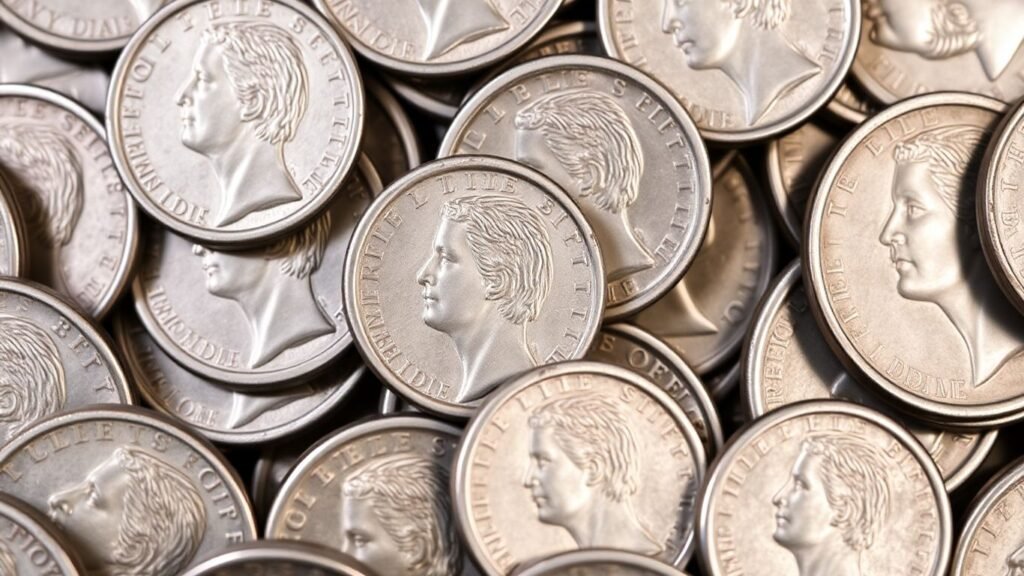
When people talk about selling dimes for their silver content, they’re often thinking about Mercury dimes. These coins, officially called the Winged Liberty Head dime, were minted from 1916 all the way through 1945. They’re a favorite among collectors and investors alike because they’re made of 90% silver.
The value of a Mercury dime can really vary depending on its condition and rarity. A common, well-worn dime might only be worth its silver weight, but a rare date or one in pristine condition can fetch a much higher price. It’s not uncommon for these dimes to be worth more than just their melt value, especially if they have a special mint mark or are from a key year.
Here’s a quick look at what makes them interesting:
- Dates: 1916-1945
- Composition: 90% silver, 10% copper
- Key Dates/Mint Marks: Look out for the 1916-D (Denver mint) and the 1942/1 overdate. These are particularly sought after by collectors.
- Condition: Coins in higher grades (like Mint State) will always be worth more than those that have seen a lot of circulation.
Many collectors start their journey with Mercury dimes because they’re accessible and represent a significant piece of American history. They’re a great way to get into collecting silver coins without breaking the bank. Plus, knowing you’re holding actual silver is a pretty neat feeling.
If you’re looking to sell your Mercury dimes, understanding their specific date, mint mark, and condition is the first step. This information will help you get a fair offer from any reputable coin dealer in Austin. You can find more details about their value and history on sites dedicated to coin collecting.
6. Gold and Silver Bullion
When you’re looking to sell your Mercury dimes, it’s good to know what else dealers are interested in. Gold and silver bullion are big players in the precious metals market, and many coin shops that buy dimes also deal in these items. Bullion refers to precious metals in a bulk form, like bars or rounds, or in coin form but valued primarily for their metal content rather than their numismatic (collector) value.
These metals have been a store of value for centuries, acting as a hedge against inflation and economic uncertainty. While your Mercury dimes have both silver content and collector appeal, pure bullion is all about the metal itself. Think of it as a more direct way to invest in gold or silver.
Here’s a quick look at common forms of bullion:
- Gold Bars/Rounds: These come in various weights, from small fractions of an ounce to large bars. They’re often stamped with their purity and weight.
- Silver Bars/Rounds: Similar to gold, silver is available in bars and rounds. These are a popular way to acquire silver in larger quantities.
- Bullion Coins: These are official government-issued coins (like American Eagles or Canadian Maple Leafs) or private mint rounds that are valued based on their gold or silver content. They often carry a small premium over the spot price of the metal.
When selling, dealers will assess bullion based on its weight and purity. For example, a common way to buy silver is in bags of 90% silver coins, which contain a significant amount of silver. A typical $1,000 face value bag of these coins holds around 723 troy ounces of silver, assuming average wear. Reputable dealers are key here, as they ensure you get a fair price for your metal content. If you’re looking to sell your bullion, you can get competitive cash prices for your gold and silver coins. Get competitive cash prices.
While coins like your Mercury dimes have a dual value – both as silver and as a collectible piece of history – pure bullion is more straightforward. Its worth is tied directly to the current market price of gold or silver. This makes it a different kind of investment, often favored for its simplicity and direct correlation to metal prices.
7. Rare and Collectible Coins
Beyond the melt value of silver, there’s a whole other world of coins that collectors go after. These aren’t just about the metal content; they’re about history, rarity, and sometimes, just plain cool designs. Think about coins that are hard to find, maybe because they were only made for a short time, or perhaps they have a specific mint mark that makes them special. These are the coins that collectors actively seek out, often paying a premium over their silver worth.
When you’re looking at rare and collectible coins, several factors come into play. It’s not just about whether it’s old or made of silver. Dealers will look at:
- Condition (Grade): How worn is the coin? Are the details sharp or smoothed away? A coin in better condition is usually worth more.
- Rarity: How many of these coins were made, and how many still exist today? Fewer coins generally mean higher value.
- Demand: Are people actually looking to buy this specific coin? Popular series or coins with historical significance tend to have more demand.
- Key Dates/Mint Marks: Sometimes, a specific year or a coin made at a particular mint (like San Francisco or Denver) is much rarer and more sought after than others in the same series.
For example, within the Mercury dime series itself, certain dates and mint marks are significantly more valuable than others. A 1942/1 overdate dime, for instance, is a prime example of a key date that commands attention from collectors.
Selling these types of coins often requires a dealer who understands the numismatic market. They can properly assess the coin’s condition and rarity, ensuring you get a fair price that reflects its collector appeal, not just its silver weight. It’s a different ballgame than just selling bulk silver.
Here are some categories of rare and collectible coins you might encounter:
- Key Date Coins: These are the rarest dates within a coin series, often with low mintages or high survival rates. Think of the 1909-S VDB Lincoln cent or the 1916-D Mercury dime.
- Mint Errors: Coins that were struck incorrectly at the mint. These can include off-center strikes, double dies, or clipped planchets, and they’re often quite unique.
- Proof and Uncirculated Sets: These are special coin sets made for collectors, often featuring coins with a higher quality finish than regular circulation strikes.
- Ancient Coins: Coins from ancient civilizations like Rome or Greece, which have historical significance and can be very rare.
8. U.S. Eagles
When you’re looking to sell coins in Austin, U.S. Eagles are a popular choice, especially for those interested in precious metals. These coins are primarily known for their gold and silver content, making them attractive to investors. The American Eagle coin program, introduced by the U.S. Mint, features distinct designs and is produced in various denominations and metal types.
The most common types you’ll encounter are the Gold Eagle and the Silver Eagle. Both are legal tender and are minted with specific weights and purities. For instance, the Silver Eagle contains one troy ounce of .999 fine silver, while the Gold Eagles come in one troy ounce, half ounce, quarter ounce, and tenth ounce sizes, with varying gold purity.
Here’s a quick look at what makes them stand out:
- Silver Eagles: These are perhaps the most widely recognized silver bullion coins. They are minted annually and are a go-to for many looking to invest in physical silver.
- Gold Eagles: Available in different weights, these coins are a significant part of the gold investment market. Their value is tied closely to the fluctuating price of gold.
- Platinum Eagles: While less common than their gold and silver counterparts, Platinum Eagles also exist and are a part of the U.S. Mint’s bullion offerings.
When selling, dealers will typically assess these coins based on their melt value (the intrinsic worth of the metal) and any potential numismatic premium they might carry due to their condition, rarity, or specific mint marks. For most modern Eagles, the bullion value is the primary driver of their worth.
Dealers often look for these coins in their original mint packaging or in pristine condition, as this can sometimes add a small premium. However, even well-circulated Eagles will be valued primarily for their metal content.
9. Silver Dollars
When you’re looking to sell silver, don’t forget about silver dollars. These aren’t just any old coins; they represent a significant chunk of U.S. silver coinage history. Think about the classic Morgan dollars, minted from 1878 to 1921, or the Peace dollars that followed from 1921 to 1935. These coins, along with others like the Eisenhower dollars minted before 1971, are often made with 90% silver content.
Selling silver dollars can be a straightforward process, especially if you’re dealing with common dates and conditions. Most buyers will assess them based on their silver weight, often referred to as ‘bullion value.’ However, some dates or mint marks might have a bit of extra collector appeal, so it’s always good to have them checked.
Here’s a quick look at some common 90% silver dollar types:
- Morgan Dollars (1878-1921): A very popular series among collectors.
- Peace Dollars (1921-1935): Known for their artistic design.
- Eisenhower Dollars (1971-1978): While many are clad, some special issues contain silver.
Many people have bags of these silver dollars lying around, perhaps inherited or collected over the years. They might not realize the silver content alone makes them quite valuable, even if the specific coin isn’t a rare find for collectors. It’s worth getting an appraisal to see what they’re worth based on the current silver market.
When you bring your silver dollars to a dealer in Austin, they’ll likely weigh them and offer a price based on the silver content. For common pieces, this is usually the main factor. If you have something rarer, the dealer might offer a bit more, but the silver value is always the baseline.
10. Foreign Coins
While this article focuses on U.S. currency, it’s worth noting that many Austin coin dealers also handle foreign coins. These can range from common circulating coins from other countries to rare, ancient pieces.
Dealers often look for foreign coins that hold significant silver or gold content, or those that are particularly scarce or historically important. Sometimes, a foreign coin might have a higher value due to its numismatic appeal rather than its melt value.
If you have a collection of international currency, it’s a good idea to get them appraised. You might be surprised at what you have.
Here are some general categories of foreign coins that might be of interest to buyers:
- Silver and Gold Coins: Many countries have historically minted coins with precious metal content. These are often sought after for their intrinsic value.
- Ancient Coins: Coins from ancient civilizations (Roman, Greek, etc.) can be highly collectible, with value depending on the ruler, condition, and rarity.
- Commemorative Issues: Some countries issue special coins to mark events or figures, which can be collectible.
- Scarce Circulating Coins: Even coins meant for everyday use can become valuable if they were only minted in small quantities or are from a specific, hard-to-find year and mint mark.
When selling foreign coins, be prepared to provide as much information as possible about their origin, age, and any known history. This helps dealers assess their true worth beyond just the metal content.
Ready to Sell Your Mercury Dimes?
So, you’ve got those old Mercury dimes sitting around and you’re wondering where to turn them into cash in Austin. We’ve looked at a few spots that seem to know their stuff when it comes to coins. Whether you’re dealing with a whole collection or just a few pieces, places like Austin Rare Coins & Bullion, Austin Coin Buyers, and Austin’s Best Coin and Gold Exchange are worth checking out. They all seem to offer appraisals and are ready to make offers on your coins. It’s always a good idea to call ahead, see what their process is like, and maybe even get a couple of quotes before you decide. Good luck turning those dimes into dollars!
Frequently Asked Questions
What are Mercury dimes and why are they special?
Mercury dimes are old U.S. dimes made between 1916 and 1945. They’re called ‘Mercury’ dimes because the image on the front looks like the Roman god Mercury, but it’s actually Lady Liberty wearing a winged cap. Many of these dimes are made of 90% silver, which makes them valuable even if they aren’t rare.
Where in Austin can I sell my Mercury dimes?
You can sell your Mercury dimes at several coin shops in the Austin area. Places like Austin Coin Buyers, Austin Rare Coins & Bullion, and Austin’s Best Coin and Gold Exchange are known to buy these types of coins. It’s a good idea to call them first to see what they offer.
How much are Mercury dimes worth?
The value of a Mercury dime depends on its silver content and its condition. Most are worth at least their silver value, which changes daily. Some rare dates or dimes in perfect condition can be worth much more to collectors.
Do coin dealers pay more for silver or for collector value?
It depends on the coin. For common Mercury dimes, dealers usually pay based on their silver weight. However, if you have a rare date or one in amazing condition, a collector might pay more for its numismatic (collector) value than just its silver worth.
What should I look for when choosing a coin buyer in Austin?
Look for dealers who are well-known and have good reviews, like those mentioned in this article. A good dealer will offer a fair price based on current market rates, be transparent about their pricing, and treat you with respect. Checking their reputation with the Better Business Bureau (BBB) is also smart.
Can I sell other types of coins besides Mercury dimes?
Yes, most coin dealers buy a wide variety of coins. This includes other silver coins (like quarters and half-dollars made before 1965), U.S. Eagles, silver dollars, and even foreign coins if they have precious metal content or collector appeal.
What is 'junk silver'?
‘Junk silver’ is a term used for older U.S. coins that are mostly valued for their silver content rather than their rarity. This includes dimes, quarters, and half-dollars made before 1965 that contain 90% silver. They’re often traded in bags or rolls.
Do I need an appointment to sell coins?
Some dealers prefer appointments, especially for larger collections, to give you their full attention. Others accept walk-ins. It’s always best to call ahead to check their policy and to schedule a time that works for both you and the dealer.