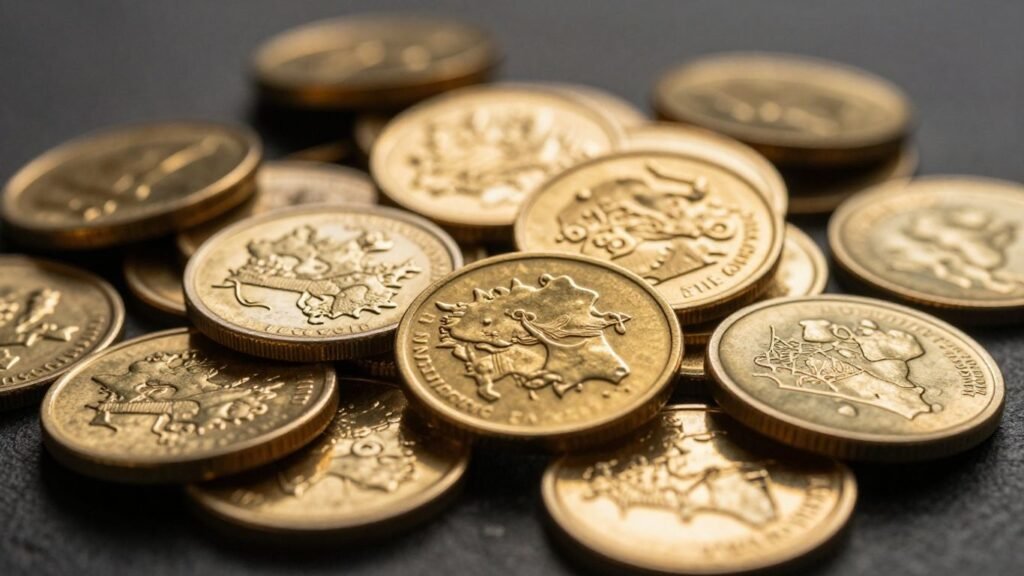
So, you’ve got some old gold coins, the kind from way back when territories were a thing. Pretty cool. Now you’re wondering where to sell territorial gold coins in Austin. It’s not like you can just walk into any old shop. These coins have a story, and you want to make sure you get a fair shake when you decide to sell them. This guide will help you figure out the best spots and how to get the most for your historical treasures.
Key Takeaways
- When you sell territorial gold coins in Austin, know their history and condition. This helps determine their real worth.
- Look for local coin dealers in Austin or online places that know about old gold coins. Doing your homework is important.
- Make sure your coins are in good shape and have any papers that prove they’re real. This can make a big difference.
- Get opinions from a few different buyers before you sell. This way, you can compare offers and get the best price.
- Be careful of people who offer way too little or seem shady. Always do your research on who you’re dealing with.
Understanding Territorial Gold Coins
Territorial gold coins are a fascinating piece of American history, minted outside the official U.S. Mint system, often during periods of rapid expansion and gold rushes. Think of the California Gold Rush or the discovery of gold in the Carolinas. These coins were created by private assayers and miners to facilitate commerce when official currency was scarce. They represent a unique, often rugged, chapter in the nation’s economic development.
Historical Significance of Territorial Gold
These coins aren’t just old pieces of metal; they’re tangible links to a time when pioneers and prospectors were shaping the West. During the mid-19th century, especially after gold was discovered in California in 1848, the need for a reliable medium of exchange became critical. The U.S. Mint couldn’t keep up with the influx of gold, so private mints and individuals stepped in. These territorial coins, often stamped with the name of the state or territory, the assayer, and the weight and purity of the gold, served as a vital part of the local economy. They were used for everything from buying supplies to paying wages. Their existence tells a story of self-reliance and the challenges of establishing commerce in frontier regions.
Identifying Genuine Territorial Gold
Spotting a real territorial gold coin takes a bit of know-how. Counterfeits have always been an issue, even back in the day. When you’re looking at a coin, consider a few things:
- Weight and Dimensions: Genuine coins will have a specific weight and size. If it feels too light or too heavy, or if the dimensions are off, be suspicious.
- Markings and Design: Look closely at the details. Are the inscriptions clear? Does the design match known examples? Sometimes, wear can make details fuzzy, but a completely indistinct design is a red flag.
- Metal Purity: While harder to check without equipment, historical records and assays can give you an idea of the expected gold purity. Be wary of coins that seem unusually pale or have a different color than expected.
- Edge Detail: Examine the coin’s edge. Is it reeded, smooth, or decorated? The method used to create the edge can be a clue.
Authenticity is paramount. Many territorial gold coins are rare, and their value hinges on being genuine. Always seek expert opinions if you’re unsure.
Factors Affecting Territorial Gold Value
Several things can influence how much a territorial gold coin is worth. It’s not just about the gold content, though that’s a part of it.
- Rarity: How many of these coins were originally made, and how many still exist today? The fewer there are, the higher the potential value.
- Condition (Grade): Just like any collectible, the better the condition, the more it’s worth. Coins are graded on a scale, and a coin that looks almost new will fetch more than one that’s heavily worn.
- Historical Significance: Some coins are more famous or tied to more significant historical events or figures, which can increase their desirability.
- Mint Mark and Assayer: Coins from specific territories or made by well-known assayers (like the Bechtlers in North Carolina) often carry a premium.
- Gold Content: While not the sole factor, the actual amount of gold in the coin contributes to its base value.
Here’s a general idea of how some factors might play out, though actual prices vary wildly:
| Factor | Impact on Value | Notes |
|---|---|---|
| Rarity | High | Very rare coins command top prices. |
| Condition (Grade) | High | Mint State > Extremely Fine > Very Fine |
| Historical Link | Medium | Association with famous events/people. |
| Gold Weight | Base | Provides a floor value. |
Where to Sell Territorial Gold Coins in Austin
So, you’ve got some territorial gold coins sitting around and you’re wondering where to turn them into cash right here in Austin. It can feel a bit overwhelming at first, trying to figure out the best place to go. You don’t want to just hand them over to the first person you see, right? You want to make sure you’re dealing with someone who knows what they’re talking about and will give you a fair shake. Luckily, Austin has a few options for you.
Local Coin Dealers in Austin
Austin has a number of coin shops that deal with all sorts of numismatic items, including gold coins. These places are often a good starting point because they’re right here in town. You can walk in, show them what you have, and get an immediate look. Some dealers specialize more than others, so it’s worth doing a little homework to see which ones have a reputation for handling older U.S. coins or gold pieces specifically.
- Visit in person: This allows you to build a rapport and get a feel for the dealer’s knowledge.
- Ask about their experience: Specifically inquire if they handle territorial gold coins.
- Check reviews: See what other collectors or sellers in the area have to say about them.
Reputable Austin Coin Buyers
Beyond the general coin shops, there are buyers who focus more on precious metals and rare coins. These folks might be more attuned to the specific market value of your territorial gold. They often have a deeper understanding of the historical context and the factors that influence a coin’s worth, beyond just its gold content. Finding these specialized buyers is key to getting the best price.
When selling something as specific as territorial gold, it’s always a good idea to get a few opinions. Don’t feel pressured to sell to the first person who makes an offer. Take your time and compare what different buyers are telling you.
Online Marketplaces for Austin Sellers
While you’re in Austin, don’t forget about the wider world of online sales. Platforms like eBay or specialized coin auction sites can connect you with buyers from all over. This can sometimes lead to higher prices because you’re tapping into a much larger pool of interested collectors. However, selling online comes with its own set of challenges, like shipping securely and dealing with potential scams. It’s a trade-off between local convenience and potentially broader reach.
Preparing Your Territorial Gold for Sale
Before you even think about listing your territorial gold coins, there are a few things you should do to get them ready. It’s not just about handing them over; a little prep work can make a big difference in how much you get. Think of it like getting a classic car ready for a show – you want it to look its best.
Coin Condition and Grading
The physical state of your coin is a huge factor in its worth. Scratches, nicks, or heavy wear can really bring down the value. While you shouldn’t try to clean your coins yourself – seriously, don’t! – understanding their condition is key. Professional grading services can assess your coin and give it a numerical score based on its condition, from ‘Poor’ all the way up to ‘Mint State’ (which means it’s in uncirculated condition). This grading is often done by companies like PCGS or NGC, and it gives potential buyers a clear picture of what they’re getting.
Here’s a simplified look at condition grading:
- Uncirculated (Mint State): No wear from circulation. Looks like it just came from the mint.
- Extremely Fine (XF): Very light wear, only visible under magnification.
- Very Fine (VF): Moderate wear, but all details are still clear.
- Fine (F): Significant wear, but the main design elements are visible.
- Good (G): Heavy wear, often with major design elements flattened.
Documentation and Provenance
Do you have any old receipts, letters, or family stories about the coin? This is called provenance, and it can add a lot of interest and value. If your coin came from a well-known collection or has a documented history, that’s a big plus. Keep any paperwork you have, even if it seems minor. It helps prove the coin is genuine and tells its story.
Having a clear history for your territorial gold coin can sometimes be as important as its physical condition. It adds a layer of authenticity and narrative that collectors often seek.
Secure Storage Before Sale
While you’re getting ready to sell, make sure your coins are stored safely. Keep them in a secure place where they won’t get damaged, lost, or stolen. If you have them in protective holders, keep them there. Avoid storing them in places with extreme temperature or humidity changes. The goal is to maintain their current condition until they are in the hands of a buyer or a professional grader.
Maximizing Your Sale Price in Austin
So, you’ve got these territorial gold coins and you’re ready to sell. That’s great! But before you rush off to the first place that offers you cash, let’s talk about how to make sure you’re getting the most money possible for them. It’s not just about finding a buyer; it’s about finding the right buyer and presenting your coins in the best possible light.
Obtaining Multiple Appraisals
Think of this like getting a second opinion before a big decision. You wouldn’t just accept the first doctor’s diagnosis, right? Same goes for your coins. Getting appraisals from a few different reputable dealers in Austin is a smart move. Each dealer might see something slightly different, or have a different perspective on the current market. This helps you get a clearer picture of what your coins are truly worth.
Here’s a quick look at what to expect:
- Dealer A: Might focus on the gold content and offer a price based on melt value plus a small premium.
- Dealer B: Could be more interested in the coin’s rarity and condition, offering a higher price if they see collector appeal.
- Dealer C: Might be looking to acquire it for a specific client and offer a competitive price to secure the coin.
Don’t be afraid to ask them to explain their valuation. A good dealer will be happy to walk you through their reasoning.
Negotiation Strategies for Gold Coins
Once you have a few appraisals in hand, you’re in a much stronger position to negotiate. Remember, the initial offer isn’t always the final offer. Here are some tips:
- Know Your Bottom Line: Decide beforehand the lowest price you’re willing to accept. This prevents you from making an emotional decision.
- Highlight Key Features: If your coin is in excellent condition, has a rare mint mark, or comes with historical documentation, point that out. These details can justify a higher price.
- Be Polite but Firm: Approach the negotiation respectfully. State your case clearly and be prepared to walk away if the offer doesn’t meet your expectations.
- Consider the Buyer’s Perspective: Understand that dealers need to make a profit. Aim for a price that’s fair for both you and them.
Selling valuable coins requires patience and a bit of strategy. Rushing the process or accepting the first offer you get can mean leaving money on the table. Take your time, do your homework, and be prepared to discuss the value of your pieces.
Understanding Market Trends
The value of gold, like any commodity, can fluctuate. While territorial gold coins have intrinsic value due to their gold content, their numismatic (collector) value can be influenced by broader market trends. Are gold prices generally up or down? Is there a surge in interest for a particular type of historical coin? Keeping an eye on these trends, even casually, can help you time your sale for the best possible outcome. Local coin shows or numismatic publications can be good places to get a feel for what’s currently in demand.
Specialized Austin Coin Buyers
Dealers Focusing on U.S. Gold
When you’ve got territorial gold coins, you’re looking for someone who really knows their stuff, especially when it comes to U.S. gold. Some dealers in Austin have built a reputation specifically around buying and selling American gold coins. These folks often have a deeper inventory and a better understanding of the nuances that make certain territorial pieces more desirable than others. They might be more familiar with the historical context, the mint marks, and the specific conditions that affect value for these older coins.
Buyers of Rare and Historic Coins
Beyond just U.S. gold, there are buyers in Austin who focus on the broader category of rare and historic coins. Territorial gold often falls into this category because of its age and the story it tells about a specific time and place in American history. These specialists are often collectors themselves, or they work closely with collectors. They appreciate the numismatic value – the collector’s value – which can sometimes be more significant than the melt value of the gold itself. They’re the ones who might recognize a rare variety or a coin with exceptional eye appeal.
Services Offered by Austin Coin Experts
These specialized buyers usually offer more than just a simple purchase. Many provide detailed appraisals, helping you understand exactly what your territorial gold coins are worth. Some can assist with authentication, which is super important for older coins. They might also offer consignment services if you’re looking to sell through an auction, or they could be interested in outright purchasing your collection if it fits their needs. It’s good to know what services they provide before you commit to selling.
- Appraisals: Getting a professional opinion on your coin’s worth.
- Authentication: Confirming the coin is genuine and identifying its specific characteristics.
- Buying: Direct purchase of your coins.
- Consignment: Selling your coins through their established channels.
Finding a buyer who specializes in the type of coins you have can make a big difference. They often have a better network of potential buyers and a clearer picture of current market demand for specific historical gold pieces. This can lead to a more accurate valuation and a better selling experience overall.
The Selling Process in Austin
So, you’ve decided to sell your territorial gold coins here in Austin. What happens next? It’s not as complicated as you might think, but knowing the steps can make a big difference. The whole thing is designed to be pretty straightforward.
Initial Contact and Consultation
First things first, you’ll want to reach out to potential buyers. This could be a local coin shop or a specialized dealer. Many places offer a free initial consultation. This is your chance to ask questions, get a feel for their knowledge, and see if you’re comfortable working with them. Don’t be afraid to shop around a bit. It’s perfectly fine to talk to a few different people before you commit.
Transaction Security and Payment
Once you agree on a price, the actual transaction needs to be secure. Reputable dealers will have clear procedures for this. They’ll want to verify the coin’s authenticity, and you’ll want to be sure about how and when you’ll get paid. Most buyers prefer to pay with cash or a cashier’s check for larger amounts, but some might offer wire transfers. Always confirm the payment method beforehand.
Here’s a general idea of what to expect:
- Verification: The buyer will examine your coin(s).
- Offer: They’ll present a formal offer based on their appraisal.
- Agreement: If you accept, you’ll finalize the terms.
- Payment: You’ll receive payment according to the agreed method.
Legal and Tax Considerations
Depending on the value of your coins, there might be legal or tax implications. While most casual sales of personal property don’t trigger immediate tax events, it’s always wise to be aware. For very high-value transactions, some buyers might require identification. It’s a good idea to keep records of the sale, including the buyer’s information and the amount received. If you’re dealing with a significant amount of gold, consulting with a tax professional or legal advisor is a smart move. You can find more information on selling coins in Austin through local resources.
Avoiding Common Selling Pitfalls
Selling something as unique as territorial gold coins can feel a bit like walking through a minefield if you’re not careful. There are folks out there who aren’t exactly playing fair, and it’s easy to get taken advantage of if you don’t know what you’re doing. Let’s talk about how to steer clear of some of the more common traps.
Recognizing Unscrupulous Dealers
Not everyone in the coin business has your best interests at heart. Some dealers might try to rush you, pressure you into a quick sale, or downplay the value of your coins. Watch out for anyone who seems overly eager to buy without taking the time to properly examine your items. A good dealer will be patient and transparent. They should be willing to explain their appraisal and answer all your questions. If someone is vague about how they arrived at a price, or if they make you feel uncomfortable, it’s probably best to walk away and find someone else.
Understanding Lowball Offers
This is a big one. You might have done your homework and have a good idea of what your territorial gold coins are worth, but some buyers will still come in with an offer that’s significantly lower than market value. They’re hoping you’re either uninformed or desperate. It’s important to remember that a low offer isn’t necessarily a reflection of your coin’s true worth, but rather the dealer’s attempt to maximize their profit at your expense. Don’t be afraid to politely decline these offers and seek out other opinions.
The Importance of Due Diligence
Before you even talk to a potential buyer, do your homework. Research your coins, understand their historical context, and get a general idea of their value. Look up recent sales of similar coins if possible. This preparation is your best defense against being lowballed or misled. It’s also wise to get a few different opinions. Visiting multiple dealers or getting an appraisal from a respected third party can give you a much clearer picture of what your coins are truly worth. Think of it like getting a second opinion from a doctor – it’s just smart practice.
Here are some steps to help you with your due diligence:
- Research Your Coins: Identify the specific mint, date, and any unique characteristics of your territorial gold coins.
- Check Market Prices: Look for recent sales data for comparable coins from reputable auction houses or coin dealer websites.
- Seek Expert Opinions: Consult with more than one dealer or appraiser to get a range of valuations.
- Understand Grading: Familiarize yourself with coin grading basics, as condition significantly impacts value.
When selling valuable items like territorial gold coins, it’s easy to get caught up in the excitement or the pressure of a potential sale. However, maintaining a calm and informed approach is key. Always prioritize getting a fair price based on the coin’s actual market value and condition, rather than accepting the first offer that comes your way, especially if it seems too good to be true or, more commonly, far too low.
Austin's Coin Collecting Community
Austin has a pretty active group of people who are into collecting coins, and getting to know them can really help when you’re looking to sell something like territorial gold. It’s not just about finding a buyer; it’s about understanding the market and getting a fair shake. These folks often have a lot of knowledge tucked away.
Local Coin Clubs and Shows
Joining a local coin club is a great first step. You get to meet people who share your interest, and you can learn a ton just by chatting with them. Plus, many clubs organize regular meetings or even larger coin shows right here in Austin. These events are fantastic opportunities to see what’s out there, get a feel for current prices, and maybe even find a buyer who’s specifically looking for what you have. It’s a good way to get your coins in front of interested eyes without the pressure of a formal sale right away. Keep an eye out for announcements about events hosted by groups like the Austin Coin Club; they often have meetings at local libraries or community centers.
Networking with Fellow Collectors
Beyond formal clubs, just talking to people at coin shows or even antique shops can open doors. You never know who might have a connection or know someone who’s a serious collector of territorial gold. Building these connections means you’re not just a seller; you’re part of a community. This can lead to better deals and more honest advice. Remember, many collectors are passionate and love to share their knowledge, which can be incredibly helpful when you’re trying to figure out the best way to sell your coins. It’s always good to have a few contacts you trust, like those at Premier Gold, Silver & Coin, who are known in the area.
Resources for Austin Coin Enthusiasts
Austin has a few places that can help you learn more. Besides the clubs, check out local coin shops. Even if you’re not buying, the owners and staff are usually very knowledgeable and can point you toward local resources or upcoming events. Online forums are also useful, but nothing beats face-to-face interaction when dealing with valuable items like territorial gold. You can often find lists of local dealers and clubs through numismatic organizations online, which can then lead you to specific Austin-based groups.
Connecting with the local coin community in Austin can provide invaluable insights into the market for territorial gold coins. It’s about building relationships and gaining knowledge from experienced collectors and dealers who understand the nuances of these historical pieces.
Here are some common places and ways to connect:
- Local Coin Shops: Many have bulletin boards or staff who know about local club meetings and shows.
- Coin Shows: These are prime spots for meeting collectors and dealers. Look for announcements in local papers or online.
- Online Forums: While not local, they can provide information about Austin-specific groups or events.
- Libraries and Community Centers: Often host meetings for local clubs.
Key Considerations When Selling
Selling your territorial gold coins is a big deal, and there are a few things to really think about before you hand them over. It’s not just about finding someone who wants to buy them; it’s about getting a fair price and making sure the whole process goes smoothly.
Urgency vs. Optimal Pricing
Sometimes you might need cash fast, and that’s understandable. But if you can wait a bit, you might get a better price. The market for coins can change, and holding onto them for the right moment could pay off. Think about why you’re selling and if you have the luxury of time.
The Role of Authenticity
This is super important. Everyone wants real gold coins, not fakes. If you have any paperwork or certificates that prove your coins are genuine, hold onto them. This adds a lot of trust for buyers and can really boost the value. If you’re unsure, getting them authenticated by a professional is a smart move.
Choosing the Right Buyer for Your Needs
Not all buyers are the same. Some might be great for quick sales, while others specialize in rare coins and might offer more if yours is a special piece. It’s worth doing a little homework to find a buyer who fits what you’re looking for.
Here are some types of buyers you might encounter:
- Local Coin Shops: Good for seeing coins in person and getting quick offers.
- Online Marketplaces: Can reach a wider audience, potentially leading to higher bids.
- Specialty Dealers: If you have a very rare or specific type of coin, these buyers might be your best bet.
Making sure your coins are properly identified and valued before you start talking to potential buyers can save you a lot of hassle and potentially put more money in your pocket. Don’t rush this part.
Wrapping It Up
So, you’ve got some territorial gold coins sitting around and you’re in Austin. We’ve talked about a few places that might be interested in buying them, from local coin shops to maybe even some online dealers if you’re looking to cast a wider net. It’s always a good idea to do a little homework before you sell, like getting a feel for what your coins are worth. Checking out a few different buyers can help make sure you get a fair price. Selling these old coins can be pretty interesting, and hopefully, this guide made it a bit easier to figure out where to start right here in Austin.
Frequently Asked Questions
What exactly are territorial gold coins?
Territorial gold coins are special gold coins that were made in specific areas or territories of the United States before the U.S. Mint started making all the gold coins. Think of them as early, local versions of gold money, often made during times like the Gold Rush when people needed a way to use gold they found.
How can I tell if my territorial gold coin is real?
Figuring out if a coin is genuine can be tricky. You’ll want to look closely at its weight, size, and the details in the design. Comparing it to known authentic examples or getting an expert to look at it is the best way to be sure. Sometimes, older coins have signs of wear that look natural, while fakes might look too perfect or have odd markings.
What makes one territorial gold coin worth more than another?
Several things affect a coin’s value. Its condition is super important – coins that look almost new are usually worth more than worn-out ones. How rare the coin is also plays a big part. Plus, if the coin has a cool story behind it, like who owned it before, that can add value too.
Where in Austin can I sell my territorial gold coins?
In Austin, you have a few options! You can visit local coin shops that specialize in buying and selling coins. There are also coin buyers who might focus specifically on gold or rare items. Sometimes, online places let you sell to collectors all over, but it’s often best to start with local experts first.
How should I get my coins ready to sell?
First, don’t try to clean your coins yourself! Cleaning can actually hurt their value. It’s good to know the coin’s condition and any history you have about it. If you have any papers or certificates that prove it’s real or tell its story, keep those safe to show the buyer.
How do I get the best price for my coins?
To get the most money, it’s smart to get opinions from a few different coin dealers or buyers. This way, you can compare offers. Understanding what’s happening in the coin market right now can also help you know if it’s a good time to sell. Don’t be afraid to talk about the price, but be realistic.
What should I watch out for when selling to a dealer?
Be careful of dealers who seem too pushy or offer prices that sound way too good to be true – they might be trying to trick you. Always do your homework on the buyer before you sell. A trustworthy dealer will be open and honest about the process and the value of your coins.
Are there any special groups in Austin for coin collectors?
Yes, Austin has a lively coin collecting scene! There are often local coin clubs where collectors meet up to share information and show off their coins. Attending coin shows can also be a great way to connect with other collectors and dealers, and learn more about the hobby.