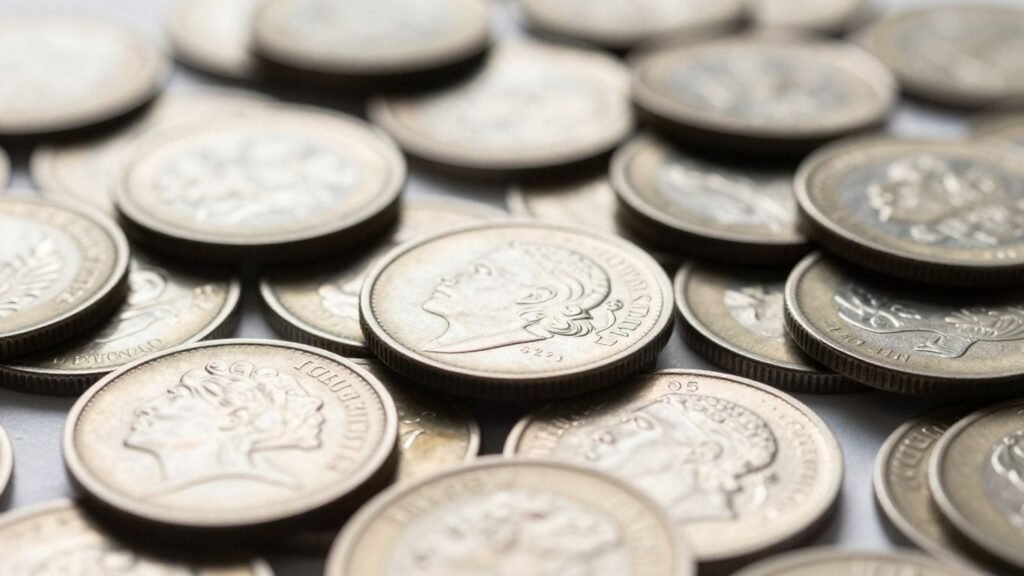
Thinking about selling your uncirculated coins in Austin, TX? It’s a good idea to know your options. You’ve got shiny, untouched coins, and you want to get a fair shake for them. Whether you have a single rare piece or a whole box of them, there are several ways to go about it. This guide will walk you through some of the most common paths people take when they want to sell uncirculated coins in Austin, TX, and what to expect.
Key Takeaways
- Local coin dealers in Austin are a straightforward option for selling uncirculated coins, offering quick transactions but potentially lower prices than retail.
- Attending coin shows allows you to compare offers from multiple dealers, which might get you a better price, but involves travel and time.
- Selling uncirculated coins directly through online platforms like eBay can yield higher prices, but requires you to handle all aspects of listing and shipping.
- For very valuable collections, auction houses can be a good choice, potentially leading to high prices through bidding wars, though fees and payout times need consideration.
- Understanding coin grading, scarcity, and demand is vital for determining the true worth of your uncirculated coins before you sell them.
Selling Uncirculated Coins To Local Austin Dealers
Understanding How Local Coin Dealers Operate
Local coin shops are a go-to for many people looking to sell their coins. They need to get their stock from somewhere, and that often includes buying from collectors like you. Whether you have a single rare coin or a whole box of them, a local dealer might be interested. Even if they can’t make an offer on your specific coins, they’re usually happy to point you toward someone who can. It’s a pretty straightforward process: you walk in, they take a look, and if they buy, you get cash right there. No shipping, no waiting around for checks. It’s convenient, for sure.
Pros and Cons of Selling to a Local Dealer
Selling to a local dealer has its upsides and downsides. The biggest plus is the speed and ease. You walk out with cash in hand, and the transaction is done. It’s also great if you’re not comfortable with online sales or shipping. However, you’re probably not going to get top dollar. Dealers need to make a profit when they resell your coins, so their offer will reflect that. Think of it as a wholesale price versus a retail price.
Here’s a quick look:
- Pros:
- Immediate payment
- No shipping required
- Simple, face-to-face transaction
- Dealers can often offer advice
- Cons:
- Likely lower offers than retail
- May not be interested in lower-value items
- Requires finding a reputable dealer
When you’re dealing with a local shop, it’s always a good idea to do a little homework beforehand. Look for dealers who are members of professional organizations or have good reviews. A little research can save you a lot of hassle and ensure you’re working with someone trustworthy.
Finding Reputable Coin Dealers in Austin
Finding a good coin dealer in Austin is key to getting a fair deal. You want someone who knows their stuff and operates with integrity. A good starting point is to check with coin collecting clubs in the area or look for dealers who are members of national organizations like the American Numismatic Association (ANA). Online reviews can also give you a sense of a dealer’s reputation, but always take them with a grain of salt. It’s often best to visit a few different dealers, get a feel for their shop, and compare their offers before you decide where to sell. Don’t be afraid to ask questions about their experience and how they determine coin values. A reputable dealer will be happy to explain their process.
Navigating Coin Shows for Optimal Sales
Coin shows can be a really interesting way to sell your uncirculated coins, especially if you have a few different pieces or even a whole collection you’re looking to move. Think of them as a big marketplace where lots of coin dealers gather in one spot. This means you can actually shop your coins around to different buyers right then and there.
Attending Local and National Coin Shows
Coin shows come in all sizes. You’ve got your smaller, local events that might pop up a few times a year in a community center or hotel ballroom. Then there are the big national conventions, like the ones put on by the American Numismatic Association (ANA). These national shows attract dealers from all over the country, which can be good if you’re looking for specialized buyers.
- Local Shows: Easier to get to, less travel time. Might have fewer dealers, so potentially less competition for your coins.
- National Shows: More dealers, more potential buyers, possibly better prices. Requires more travel and planning.
- Preparation: Before you go, make a list of what you have. It helps to have a general idea of what you think your coins are worth, but be open to what dealers offer.
Comparing Offers from Multiple Dealers
This is where coin shows really shine. Instead of taking the first offer you get from a local shop, you can walk around and get quotes from several different dealers. It’s like a mini-auction right there on the show floor. You can see who is most interested and who is willing to pay the most for your specific coins. The key is to not feel pressured into selling to the first dealer you talk to. Take your time, gather your offers, and then decide.
Here’s a simple way to keep track:
| Coin Description | Dealer A Offer | Dealer B Offer | Dealer C Offer |
|---|---|---|---|
| 1909-S VDB Lincoln Cent (MS-63) | $1,200 | $1,350 | $1,300 |
| 1893-S Morgan Dollar (AU-58) | $300 | $325 | $310 |
| 1932-D Washington Quarter (MS-65) | $800 | $750 | $850 |
Evaluating the Convenience of Coin Shows
Coin shows offer a good balance between getting a decent price and the effort involved. You avoid the hassle of shipping coins yourself, which can be a big deal if you’re selling something valuable. You also get immediate payment, usually in cash or check, once you agree on a price. However, there’s the travel time and cost to consider, especially for larger shows. You also need to be aware of your surroundings and keep your coins secure while you’re there. It’s a trade-off: more potential money than a quick sale to a local dealer, but more effort than just walking into a shop.
Attending a coin show means you’re actively participating in the market. You get to see a lot of coins, talk to different people in the hobby, and get a feel for current prices. It’s a more engaging way to sell than just dropping them off somewhere, and often results in a better outcome for your pocketbook.
Maximizing Value Through Online Sales
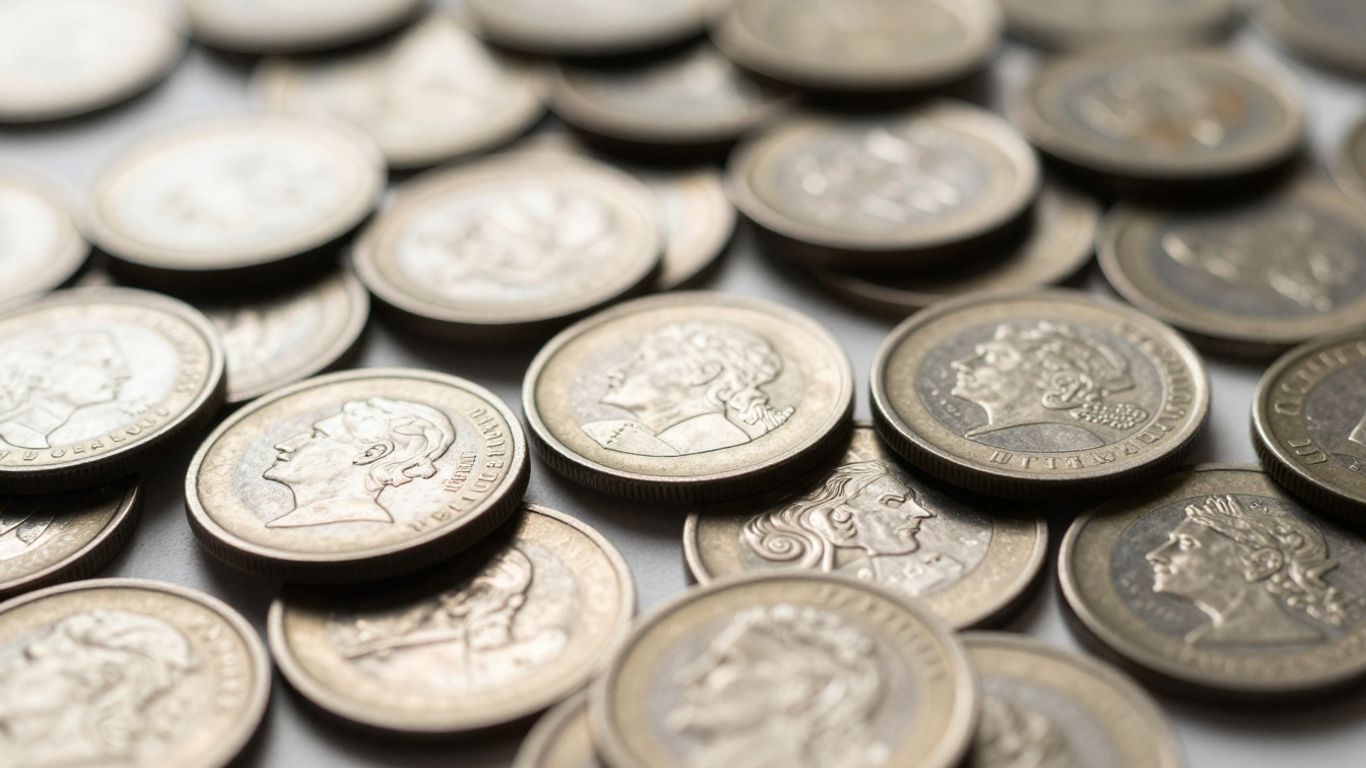
Selling your uncirculated coins online can be a great way to potentially get more money for them, especially if you’re not in a rush. It takes a bit more effort on your part, but the payoff can be worth it. You’re essentially cutting out the middleman and connecting directly with buyers who might be willing to pay closer to retail prices.
DIY Auctions on Platforms Like eBay
Platforms like eBay are popular for a reason. You can list your coins yourself and set your own terms. This means you have control over the starting bid, the buy-it-now price, and how long the auction runs. It’s a hands-on approach that lets you manage the entire selling process. This DIY method often yields the highest prices for individual coins or small groups. You’ll need to take good photos, write clear descriptions, and be prepared to answer buyer questions. It’s a bit of work, but you keep more of the profit.
Understanding Listing and Shipping Responsibilities
When you sell online, you become the seller, photographer, marketer, and shipper. This means you’re responsible for:
- Taking clear, well-lit photos of your coins from multiple angles. Good pictures are key to attracting buyers.
- Writing detailed descriptions that include the coin’s condition, mint mark, year, and any unique features. Mentioning if it’s an uncirculated coin is important.
- Setting up your listing with appropriate pricing, shipping options, and return policies.
- Packaging your coins securely to prevent damage during transit. Using bubble mailers or small boxes is usually a good idea.
- Shipping promptly after a buyer pays. Many online platforms have tracking requirements.
Remember, Texas has no sales tax on numismatic coins, which can be an attractive point for buyers. Purchases include shipping, but be aware that on-site pickups aren’t allowed, and there’s no international shipping available.
Achieving Retail Prices for Your Coins
Selling directly to collectors online bypasses the dealer’s markup. This is where you can really see the difference. Instead of a dealer buying your coin at wholesale and selling it at retail, you’re selling directly to someone who wants that specific coin for their collection. This direct connection is how you can approach retail pricing. It might take a few tries to get the hang of it, but the potential to get top dollar for your uncirculated coins is definitely there. You’ll want to research what similar coins have sold for recently to set a competitive yet profitable price.
Selling online requires patience and attention to detail. While it might not be as quick as selling to a local dealer, the potential for higher returns is significant. You’re essentially becoming your own coin dealer, managing everything from listing to final delivery. This control allows you to capture more of the coin’s market value.
Consigning High-Value Collections to Auction Houses
When Auction Houses Are the Best Option
If you’ve got a collection that’s really worth a lot, like tens of thousands of dollars or more, a big auction house might be your best bet. Local dealers, bless their hearts, might not have the cash on hand to buy something that valuable outright. Auction houses, on the other hand, can tap into a much wider pool of buyers. This is where you might see some real excitement, with collectors potentially getting into bidding wars that drive the price up higher than you might have expected. It’s a good option when you’re looking to get the absolute most for your coins and aren’t in a rush to get paid.
Understanding Auction House Fees and Payouts
It’s not all profit when you go the auction route. You’ve got to remember that auction houses take a cut. They charge fees, and these can add up. You’ll also need to factor in any buyer’s premiums that the winning bidder pays, as that can affect the final sale price. After the auction, there’s a waiting period. Your coins need to be processed, sold, and then the auction house needs to send you your money. It can take a while to see that payout.
Here’s a general idea of what to expect:
- Consignment Fees: Typically a percentage of the final sale price, often ranging from 5% to 20%.
- Seller’s Premium: Sometimes a separate fee charged to the seller.
- Advertising Costs: May be deducted if the auction house advertises your specific collection.
- Payment Timeline: Usually occurs 30-60 days after the auction concludes.
Selecting the Right Auction House for Your Coins
Not all auction houses are created equal, and you’ll want to do a little homework before you commit. Many have minimum consignment values, so make sure your collection even qualifies. It’s a good idea to look at a few different places. Check out their past sales results, see what kind of coins they usually handle, and read any reviews you can find. You want to find a house that has a good reputation and a strong track record with coins similar to yours. It’s also worth asking about their marketing strategies – how will they make sure the right buyers see your collection?
When deciding where to sell, think about how much your coins are worth, how quickly you need the cash, and how much effort you’re willing to put into the process. Each selling method has its own set of pros and cons, and the best choice really depends on your personal situation and goals for the sale.
Understanding the Value of Uncirculated Coins
So, you’ve got some coins that look like they just came off the minting press. That’s great! But what makes them actually worth something? It’s not just about them being shiny and new-looking. Several things play a role, and knowing them can help you figure out what your collection might fetch.
Factors Determining Uncirculated Coin Worth
When we talk about uncirculated coins, we’re talking about coins that never made it into your pocket or a cash register. They were usually pulled aside by the mint or kept aside by collectors right away. The main things that decide their worth boil down to how many were made and how many people want them.
- Rarity: If only a handful of a particular coin were ever produced or survived, it’s naturally going to be more sought after than a coin made in the millions.
- Demand: This is a big one. Even if a coin is rare, if nobody’s really looking for it, its value won’t be very high. Collector interest can change over time, too.
- Condition: Even among uncirculated coins, there’s a range. A coin with a perfect surface and full shine will be worth more than one that has some minor nicks or dullness, even if it was never circulated.
The market value of any coin, circulated or not, is ultimately what someone is willing to pay for it. This can fluctuate based on trends, economic conditions, and the specific interests of collectors at any given time.
The Role of Scarcity and Demand
Think of it like this: if you have a coin that’s super rare and a lot of people want it, you’ve got a recipe for high value. This is especially true for older coins that were produced in smaller numbers or have been lost to time. Sometimes, special editions or coins with unique minting characteristics can also become highly desirable. The U.S. Mint itself offers special uncirculated sets, which are popular with collectors hoping for future appreciation. These sets are often packaged to keep the coins in top shape from the start.
How Coin Grading Impacts Value
This is where things get a bit more technical, but it’s super important. Coin grading is basically a way to score the condition of a coin. The most common system is the Sheldon coin grading scale, which uses numbers from 1 to 70. For uncirculated coins, we’re looking at the ‘MS’ (Mint State) grades.
- MS-60: This is the lowest grade for an uncirculated coin. It means the coin shows no signs of wear from being used as money, but it might have noticeable nicks, scratches, or dullness.
- MS-65: This is often considered the minimum for a coin to be called
Identifying Genuine Uncirculated Coins
So, you’ve got some coins that look like they just came from the mint, right? But how do you really know if they’ve never been tossed around in someone’s pocket? It’s not always as simple as it looks. The key is understanding what to look for that separates a coin that’s been through the wringer from one that’s been preserved.
Recognizing Mint Luster and the Cartwheel Effect
When a coin is first struck at the mint, it has this special shine, almost like a mirror. This is called mint luster. If you tilt the coin under a light, you might see a band of light that seems to move across the surface – that’s the cartwheel effect. It’s a sign the coin hasn’t been handled much. Think of it like the original paint job on a car versus one that’s been scratched and repainted.
- Look for a bright, unbroken sheen. The light should flow smoothly across the coin’s surface.
- Avoid coins with dull or hazy surfaces. This often means they’ve been handled or cleaned.
- Be aware that even uncirculated coins can have minor imperfections. These are usually from the minting process itself or how they were stored.
Distinguishing Circulation Wear from Contact Marks
This is where things can get a little tricky. Coins that have been used as money show wear, especially on the high points like a president’s cheek or the eagle’s wings. Uncirculated coins shouldn’t have this kind of wear. However, coins can get little nicks and scratches even before they enter circulation. These are called contact marks, and they happen when coins bump into each other in bags or during the minting process. The trick is telling the difference between a mark that happened at the mint and one that happened because the coin was spent.
Genuine uncirculated coins are those that have never been used as currency. While they should exhibit original mint luster and lack wear on their highest points, they can still possess minor imperfections acquired during production or storage. It’s important to differentiate these from wear caused by circulation.
Understanding Mint State (MS) Grading
Coin experts use a grading system to describe how well-preserved a coin is. For uncirculated coins, this is called the Mint State (MS) grade. It ranges from MS-60 (the lowest uncirculated grade, often looking a bit dull with noticeable marks) all the way up to MS-70 (a perfect coin with full luster and no imperfections). Most uncirculated coins fall somewhere in between.
Here’s a quick look at the scale:
| Grade Range | Description |
|---|---|
| MS-60 to MS-62 | Lowest uncirculated grades; may have marks, dull luster |
| MS-63 to MS-67 | Mid-range uncirculated; good luster, fewer marks |
| MS-68 to MS-70 | Top uncirculated grades; excellent luster, very few or no marks |
When you’re looking at a coin, try to see if its condition matches these descriptions. It takes practice, but paying attention to the luster and the types of marks will help you spot a true uncirculated coin.
The Appeal and Investment Potential of Uncirculated Coins
Why Collectors Seek Uncirculated Coins
Uncirculated coins, often called "mint state" coins, are the ones that never made it into everyday circulation. Think of them as brand new, fresh from the mint. Collectors go wild for these because they represent a perfect snapshot of a coin’s original design and strike. They haven’t been handled, dropped, or worn down by being passed from hand to hand. This pristine condition is what makes them so desirable. You get to see the coin exactly as the mint intended it to be.
Uncirculated Coins as a Speculative Investment
Beyond just looking pretty, uncirculated coins can be a smart move for your wallet. The value of these coins often climbs over time, especially for rarer ones. It’s a bit like investing in art; you’re betting on something that’s limited in supply and has growing demand. Some people buy special mint sets directly from the U.S. Mint, hoping they’ll be worth more down the road. It’s not a guaranteed win, of course, but many have seen good returns.
The Beauty and Craftsmanship of Mint State Coins
There’s just something special about the way an uncirculated coin looks and feels. They often have this amazing "mint luster" – a kind of shine that seems to move across the surface when you tilt it, sometimes called the "cartwheel effect." It shows off the intricate details and the skill that went into making them. Even coins that aren’t perfect (they might have tiny marks from being handled at the mint) can still be beautiful and sought after if they haven’t been worn down by circulation. It’s like owning a tiny piece of history, perfectly preserved.
Here’s a quick look at what makes them stand out:
- Original Luster: That distinctive shine that hasn’t been dulled by wear.
- Sharp Details: Every line, portrait, and design element is crisp and clear.
- Mint State (MS) Grades: Coins are graded on a scale, with higher numbers indicating better condition and more appeal.
When you’re looking at uncirculated coins, remember that their value isn’t just about how old they are. It’s a mix of how many were made, how many are still around in good shape, and how many people want to buy them. Sometimes, a coin that wasn’t considered super rare at first can become highly sought after years later, especially if it has a unique story or a particularly low survival rate in top condition.
Exploring Precious Metals Firms for Coin Sales
Full-Service Firms for Buying and Selling
When you’re looking to sell uncirculated coins, especially if you have a significant collection or are interested in a more hands-off approach, full-service precious metals firms can be a good option. These companies often operate as a two-way marketplace. They not only help you find and purchase coins but also stand ready to buy them back from you when you decide to sell. Think of them as a dedicated dealer for your precious metal assets. They handle the logistics, making the process smoother, especially if you’re not keen on the complexities of individual sales.
The Role of Uncirculated Coins in IRAs
For investors looking to diversify their retirement savings, uncirculated coins can play a role in Individual Retirement Accounts (IRAs). Specifically, precious metals IRAs allow for investments in physical gold, silver, platinum, and palladium. To be eligible for inclusion in these accounts, coins typically need to be uncirculated, in perfect condition, and minted by a government. This requirement means that only certain types of uncirculated coins meet the criteria for IRA investment, making them a foundational asset for those building a precious metals portfolio within a retirement account.
Assistance with Transactions and Delivery
One of the main draws of working with a precious metals firm is the assistance they provide throughout the entire transaction. This includes helping you identify coins that align with your investment goals and then facilitating the purchase. Once acquired, they often arrange for insured delivery directly to your location. When it’s time to sell, they streamline the process by buying the coins back, removing the need for you to find individual buyers or manage shipping yourself. This end-to-end support can be quite appealing for sellers who want a straightforward experience.
Key Considerations When Selling Coins
So, you’ve decided it’s time to part with some of your uncirculated coins. That’s a big step! Before you rush off to the first buyer you find, it’s smart to pause and think about a few things. This isn’t just about getting rid of coins; it’s about making sure you get a fair shake and the process goes smoothly. Thinking through these points will help you choose the best selling method for your specific situation.
Assessing Your Collection’s Value
This is probably the most important first step. You need a realistic idea of what your coins are worth. Are we talking about a few dollars each, or are these rare pieces that could fetch serious money? For common uncirculated coins, the value might be tied closely to the precious metal content, like silver or gold. For rarer items, the condition, rarity, and demand from collectors play a much bigger role. You might want to get a professional appraisal, especially if you suspect you have something special. For example, a coin like an 1862 $10 Liberty Head Gold Eagle, graded AU55, has a specific market value that a dealer would assess. Knowing this baseline helps you avoid lowball offers.
Determining Your Urgency for Payment
How quickly do you need the cash? This is a big one. If you need money tomorrow, you might have to accept a lower offer from a local dealer who can pay you on the spot. Selling through an auction house or even a DIY online sale can take weeks or even months from start to finish. You have to wait for the auction to happen, or for buyers to find your listings and pay. There’s no one-size-fits-all answer here, but your timeline will definitely shape your selling strategy.
Here’s a quick look at how speed might affect your options:
- Immediate Payment: Local coin dealers are usually your best bet. They often buy on the spot.
- Within a Few Weeks: Coin shows can sometimes offer quicker sales if you find the right buyer, or selling to a reputable dealer after comparing offers.
- One to Several Months: Consigning to an auction house or managing your own online sales typically takes the longest.
Evaluating Your Time Investment in Selling
Selling coins can take time, and how much time you’re willing to put in matters. Are you okay with spending hours photographing coins, writing descriptions, and dealing with shipping and customer questions for online sales? Or would you rather just hand them over to a dealer and be done with it? Selling yourself online, like on eBay, can potentially get you closer to retail prices, but it requires a significant time commitment. On the flip side, taking your coins to a dealer or a coin show is much faster but might mean a lower payout. It’s a trade-off between your time and your profit.
When you’re ready to sell, remember that the coin market can be influenced by many factors. It’s always a good idea to do your homework on potential buyers and understand the terms of any sale. Being informed is your best tool for a successful transaction.
Wrapping It Up
So, you’ve got some uncirculated coins in Austin and you’re ready to turn them into cash. We’ve looked at a few ways to do that, from local coin shops to online selling. Each has its own pros and cons, right? Local dealers are easy, but you might not get top dollar. Coin shows let you shop around, but they take more effort. Selling online yourself means more work but potentially more profit. For really valuable stuff, auction houses are an option, though you’ll wait longer for your money. Think about what’s most important to you – speed, price, or convenience – and pick the method that fits best. Good luck out there!
Frequently Asked Questions
What makes a coin “uncirculated”?
An uncirculated coin is one that was made by the government but never used as money. It hasn’t been passed around or spent. These coins often look shiny and new because they haven’t been worn down by use.
How do I know if my coin is really uncirculated?
Look for something called “mint luster,” which is like a shiny glow that moves across the coin’s surface when you tilt it – sometimes called the “cartwheel effect.” Uncirculated coins won’t show wear on their highest points, unlike coins that have been used. They might have small marks from touching other coins at the mint, but these are different from wear from being in circulation.
Are uncirculated coins always valuable?
Not always, but they often are! Their value depends a lot on how rare they are and how many people want to buy them. If a coin is hard to find and many collectors want it, its price can go way up.
Where can I sell my uncirculated coins in Austin?
You have a few good choices. You can sell them to local coin dealers, try your luck at coin shows, sell them yourself online, or even work with auction houses for very valuable collections. Precious metals firms can also be an option.
What’s the difference between selling to a local dealer and selling online?
Selling to a local dealer is usually quick and easy – you get paid right away. However, they need to make a profit, so they might offer you less than what the coin is truly worth. Selling online yourself, like on eBay, can get you closer to the full retail price, but it takes more effort to take pictures, write descriptions, and ship the coins.
When should I consider an auction house?
Auction houses are usually best for really expensive coins or large collections, especially those worth thousands of dollars. They can sometimes get higher prices because many people might bid on them. Just remember there are fees involved, and it takes time to get paid after the auction.
How does the condition (grade) of an uncirculated coin affect its value?
The condition is super important! Coins are given a grade, like from MS-60 (basic uncirculated) to MS-70 (perfect). A coin with a higher grade, meaning it’s in better shape with more shine and fewer marks, will be worth much more than the same coin with a lower grade.
What should I think about before selling my coins?
First, try to figure out what your coins might be worth. Then, decide how quickly you need the money. Also, consider how much time you’re willing to spend finding the best place to sell them. Are you looking for a fast sale, or are you willing to put in more effort for potentially more money?