Thinking about selling your wheat pennies in Austin? You’ve come to the right place. These old coins might not look like much, but some can be worth a surprising amount. This guide will help you figure out where to sell wheat pennies Austin locals trust, how to get the best price, and what to expect during the whole process. Whether you’ve got a small handful or a big collection, we’ll walk you through it.
Key Takeaways
- Understand what makes wheat pennies valuable, looking at dates, mint marks, and condition.
- Identify local Austin coin dealers like Austin Rare Coins & Bullion and Coinfully for selling your wheat pennies.
- Prepare your collection by organizing and deciding whether to clean your coins (usually best not to).
- Know the selling process: get appraisals, negotiate offers, and confirm payment methods.
- Explore options like comparing multiple offers or considering online platforms to get the most for your wheat pennies.
Where To Sell Wheat Pennies In Austin
So, you’ve got a pile of old wheat pennies sitting around and you’re wondering where to turn them into some cash right here in Austin. It’s not as complicated as it might seem, but knowing a few things can make a big difference in how much you get.
Understanding The Value Of Your Wheat Pennies
The value of your wheat pennies isn’t just about their age. While all wheat pennies are older than Lincoln’s current portrait, some are much more sought after than others. The mint mark, the year, and the overall condition play huge roles.
- Key Dates: Certain years and mint marks are rarer. For example, the 1909-S VDB (San Francisco mint, with the initials of the designer Victor David Brenner) is a classic rarity.
- Mint Marks: Pennies were made in Philadelphia (no mint mark), Denver (D), and San Francisco (S). Some mint marks are scarcer for certain years.
- Condition: A penny that’s heavily worn will be worth much less than one that looks almost new. This is where coin grading comes in, but we’ll get to that.
Factors Affecting Wheat Penny Prices
Several things can push the price of a wheat penny up or down. It’s not just about rarity; demand matters too.
- Rarity: The fewer of a specific coin that were made, the more potential value it has.
- Demand: If a lot of collectors are looking for a particular penny, its price can go up.
- Condition (Grading): This is a big one. A coin graded as "Mint State" (uncirculated) will fetch a much higher price than one that’s been passed around for decades.
- Errors: Sometimes, coins have mistakes during the minting process, like double strikes or off-center designs. These can sometimes increase value, but not always.
Identifying Rare Wheat Penny Varieties
While most wheat pennies are common, a few specific varieties can make your collection more interesting and potentially more profitable.
- 1909-S VDB: As mentioned, this is a famous one. The "VDB" initials on the reverse are key.
- 1914-D: Another key date that collectors often seek.
- 1931-S: This San Francisco mint penny is also quite scarce.
- Repunched Mint Marks (RPMs) and Doubled Dies (DDs): These are more subtle varieties where the mint mark or the design itself was struck more than once or with a misaligned die. These often require a magnifying glass and some knowledge to spot.
When you’re looking at your wheat pennies, try to get a good look at the date and the mint mark, usually found below the date on the obverse (front) of the coin. Don’t clean them! Cleaning can seriously damage the surface and reduce the value significantly. It’s usually best to leave that to the professionals or the buyer.
Here’s a quick look at some common years and their general value range, assuming average circulated condition. Remember, this is a rough guide; actual prices vary.
| Year & Mint Mark | Common Value (Circulated) | Scarce/Key Date Value (Circulated) |
|---|---|---|
| 1910-1930 (Avg.) | $0.20 – $0.50 | Varies greatly |
| 1932-1958 (Avg.) | $0.15 – $0.30 | Varies greatly |
| 1909-S VDB | $500+ | $1000+ (Higher grades) |
| 1914-D | $20+ | $50+ (Higher grades) |
| 1931-S | $10+ | $25+ (Higher grades) |
Local Coin Buyers In Austin For Your Wheat Pennies
Austin Rare Coins & Bullion
Austin Rare Coins & Bullion has been a fixture in the Austin coin scene since 1989. They deal in a wide range of items, including gold, silver, ancient coins, and U.S. rare coins. If you’re looking for a dealer with a long history in the area and a focus on precious metals alongside collectibles, they might be a good stop. They emphasize expert advice and can help you understand your portfolio, which could be useful if you have a mixed collection or are new to selling.
Coinfully: Online And In-Person Appraisals
Coinfully offers a different approach, focusing on making the selling process convenient, especially if you prefer not to leave your home. They buy U.S. rare coins and paper currency and are known for their straightforward process. They offer free appraisals, which can be done virtually by sending photos or an inventory list, or in person for larger collections. Their commitment to transparency includes using security cameras during the appraisal of mailed-in coins and insuring shipments with Lloyd’s of London. This might appeal to those who want a secure and hassle-free transaction.
Here’s a quick look at their process:
- Step 1: Document Your Coins: Take clear photos or create an inventory list of your wheat pennies.
- Step 2: Get Your Appraisal: Submit your documentation for a free appraisal. Coinfully includes you in this process.
- Step 3: Receive Your Offer: Review their offer, which they aim to make competitive based on market values.
Other Reputable Austin Coin Dealers
Beyond the specific names mentioned, Austin has a number of other dealers who might be interested in your wheat pennies. It’s always a good idea to do a bit of local searching. You can often find these dealers through coin collecting forums, local business directories, or even by asking at coin shows if any are happening nearby. Some dealers might specialize more in bulk purchases, while others might be more interested in specific rare varieties. It pays to do a little homework to find the best fit for your collection.
When you’re looking to sell, remember that different dealers have different specialties and interests. Some might be looking for common wheat pennies in large quantities, while others might be hunting for specific rare dates or mint marks. Understanding what each buyer is looking for can help you get the best possible offer.
Preparing Your Wheat Pennies For Sale
Before you even think about calling up a buyer or heading to a coin shop, there are a few things you should do to get your wheat pennies ready. It might seem like a lot of work, but trust me, it can make a big difference in how much you get for them. Think of it like cleaning up your house before guests come over – it just makes everything go smoother.
Organizing Your Wheat Penny Collection
First off, you need to know what you have. If your pennies are all jumbled up in a big jar, it’s going to be tough for anyone to figure out their value. Try to sort them out a bit. A good starting point is by year and mint mark. You know, like all the 1943 pennies together, then maybe all the 1944s, and so on. If you have a lot, you might want to get some coin folders or albums. They’re not too expensive and they help keep things neat and tidy. Plus, it makes it easier to spot any gaps in your collection if you decide to keep collecting.
Here’s a simple way to start organizing:
- Group by Year: Put all pennies from the same year together.
- Separate by Mint Mark: Within each year, group them by where they were made (D for Denver, S for San Francisco, or no mark for Philadelphia).
- Set Aside Obvious Rarities: If you know you have something special, like a 1909-S VDB, keep it separate so it doesn’t get lost in the shuffle.
Cleaning Your Wheat Pennies: Pros And Cons
This is a tricky one, and honestly, most collectors will tell you to leave them alone. Cleaning coins can actually decrease their value. Why? Because it often leaves tiny scratches that are visible under magnification. These scratches are called hairlines, and they’re a big no-no for serious collectors. It’s like trying to buff out a scratch on a car and ending up making the paint look worse.
However, if your pennies are just covered in dirt or grime that’s obscuring the details, a very gentle cleaning might be considered. But seriously, be careful. A soft cotton cloth might be all you need for surface dirt. Avoid harsh chemicals, abrasive pads, or even water if you can. If you’re unsure, it’s always better to err on the side of caution and leave them dirty.
Documenting Your Wheat Pennies
Once you’ve got them organized, it’s a good idea to make a list. This doesn’t have to be fancy. You can use a simple spreadsheet or even just a notebook. For each penny (or group of similar pennies), jot down the year, mint mark, and any condition notes you think are important. If you have any particularly rare ones, take clear photos of both the front and back. This documentation is helpful for a few reasons:
- It helps you keep track of what you have.
- It’s useful when you’re talking to potential buyers – you can show them your list or photos.
- It provides a record in case anything happens to your collection during transit.
When it comes to selling your wheat pennies, preparation is key. Taking the time to organize, carefully consider cleaning, and document your collection can significantly impact the offers you receive. Buyers appreciate sellers who have done their homework and present their items in a clear, organized manner. It shows you respect your collection and their time.
Remember, the goal here is to present your wheat pennies in the best possible light without damaging their inherent value. A little effort upfront can go a long way in getting you a fair price in Austin.
The Selling Process For Wheat Pennies In Austin
So, you’ve got a pile of wheat pennies and you’re ready to turn them into cash right here in Austin. It sounds simple enough, but there are a few steps to make sure you get a fair shake. Let’s break down how to actually sell those copper treasures.
Getting an Appraisal for Your Wheat Pennies
Before you can sell, you need to know what you’ve got. An appraisal is basically getting an expert opinion on the value of your coins. You can find places in Austin that offer this service. Some might do it for free, especially if they’re hoping to buy your coins afterward. Others might charge a fee, but this can sometimes give you a more unbiased opinion. It’s a good idea to get a couple of different opinions if you can, especially if you think you have something rare.
Negotiating Your Best Offer
Once you have an idea of what your pennies are worth, it’s time to talk price. Don’t just accept the first offer that comes your way. Think about what you learned during the appraisal. If a dealer offers you less than what you think is fair, politely explain why you believe your coins are worth more. Sometimes they might be testing the waters, and other times they might genuinely not see the value you do. Be prepared to walk away if the offer just isn’t right. It’s your collection, after all.
Secure Payment Methods
This is super important. When you finally agree on a price, make sure you get paid in a way that feels safe and secure. Cash is always an option for immediate transactions, but for larger amounts, you might want to consider other methods. Some dealers might offer a check, while others might be able to do a direct bank transfer. Whatever method you choose, make sure you’re comfortable with it and that the funds are actually transferred before you hand over your coins. It’s always better to be safe than sorry when dealing with money.
Maximizing Your Earnings When You Sell Wheat Pennies Austin
So, you’ve got a stack of wheat pennies and you’re ready to turn them into cash. That’s great! But before you rush off to the first place that offers to buy them, let’s talk about how to make sure you’re getting the most money possible for your collection. It’s not just about selling; it’s about selling smart.
Understanding Market Trends
Coin values can shift. What’s hot one month might be a little less in demand the next. Keeping an eye on what’s happening in the coin market, especially for Lincoln cents, can give you an edge. Are collectors suddenly looking for pennies from a specific mint year? Knowing this can help you time your sale. It’s like knowing when to sell your stocks, but with more history involved.
Comparing Offers From Multiple Buyers
This is probably the most important step. Don’t just take the first offer you get. Seriously, don’t. Different dealers have different overheads, different customer bases, and different ideas about what your pennies are worth. It’s a good idea to get quotes from a few different places. You might be surprised at the range of offers you receive.
Here’s a simple way to keep track:
| Buyer Name | Offer Amount | Notes |
|---|---|---|
| Austin Rare Coins & Bullion | $X.XX | Quick response, seemed knowledgeable |
| Coinfully | $Y.YY | Online appraisal, took a few days |
| Local Dealer Z | $Z.ZZ | In-person, felt a bit rushed |
Considering Online Sales Platforms
While local dealers are convenient, don’t forget about selling online. Platforms like eBay can reach a huge audience of collectors worldwide. You might get a better price if you can connect directly with someone who really wants your specific pennies. However, remember to factor in selling fees and shipping costs. It’s a trade-off between convenience and potentially higher returns.
Selling inherited coins or a collection you’ve built over years requires patience. Rushing the process often leads to accepting lower offers than your collection is truly worth. Take your time, do your homework, and don’t be afraid to walk away if an offer doesn’t feel right. Your wheat pennies have a story, and they deserve a buyer who appreciates that value.
Specialized Dealers For Your Wheat Penny Collection
Dealers Focusing On US Coins
When you’re looking to sell your wheat pennies, it often makes sense to find dealers who really know their stuff when it comes to United States coinage. These folks are usually well-versed in the nuances of American currency, from common circulation finds to rarer mintages. They understand the history behind each coin and can spot potential value that a general dealer might miss. Think of them as specialists who can give your wheat pennies the attention they deserve.
Buyers Interested In Bulk Wheat Pennies
Got a whole jar full of wheat pennies? Or maybe a big box? Some dealers are specifically looking for quantity. They might not pay top dollar for each individual coin if it’s a common date, but they can offer a fair price for the lot. This is a great option if you have a large volume and just want to move them efficiently. They often deal in bags or rolls and have systems in place to process large amounts quickly.
Collectors Seeking Specific Mint Marks
This is where things can get interesting for your collection. Certain collectors are on the hunt for specific mint marks (like D for Denver or S for San Francisco) or particular years. If you have a good assortment, a dealer who caters to these collectors can be a goldmine. They know who is looking for what and can connect your coins with the right buyer, potentially fetching a better price than a general sale.
It’s always a good idea to do a little homework before you approach a dealer. See if they specialize in the type of coins you have. A quick look at their website or a phone call can tell you a lot. You want someone who appreciates the coins you’re selling, not just sees them as metal.
Here’s a quick rundown of what to look for:
- Specialization: Does the dealer focus on U.S. coins, or are they more general?
- Volume: Are they set up to buy large quantities, or do they prefer individual, high-value pieces?
- Collector Base: Do they have connections with collectors who seek specific dates or mint marks?
- Reputation: Check reviews or ask around to see if they have a good standing in the local coin community.
Sometimes, the best price isn’t just about the coin’s condition or rarity, but about finding the right buyer who understands its specific appeal within the collecting world. A specialized dealer acts as that crucial link.
Navigating Appraisals For Your Wheat Pennies
Free Appraisals vs. Paid Appraisals
When you’re looking to sell your wheat pennies, getting a solid idea of their worth is the first step. You’ll run into two main types of appraisals: free and paid. Free appraisals are pretty common, especially from dealers who want your business. They’ll look at your coins and give you an estimate, often with the hope that you’ll sell to them. It’s a good way to get a general idea without spending any money upfront. Paid appraisals, on the other hand, are usually more in-depth and might be done by a certified numismatist or an independent appraiser. These are often used for insurance purposes or if you need a very precise valuation for legal reasons, like settling an estate. For most people just looking to sell a collection of wheat pennies, a free appraisal from a reputable dealer is usually sufficient.
What To Expect During An Appraisal
So, what actually happens when you take your wheat pennies in for an appraisal? First off, a good appraiser will want to see your coins, either in person or through clear photos if it’s an online appraisal. They’ll look at several things. The date and mint mark are super important – a 1909-S VDB penny is way different from a 1950-D, for example. They’ll also check the coin’s condition, which is a big deal in determining value. This includes looking for wear, scratches, or any damage. They might also consider the metal content, though for pennies, this is usually less of a factor than for silver or gold coins. The appraiser should explain their findings to you, not just give you a number. They might show you similar coins that have sold recently to back up their valuation. It’s a good idea to ask questions if anything is unclear.
The Importance Of Professional Grading Services
While a dealer’s appraisal is helpful for selling, sometimes you might want a more official opinion, especially for potentially rare or high-value coins. That’s where professional grading services come in. Companies like PCGS (Professional Coin Grading Service) and NGC (Numismatic Guaranty Company) are the big names here. They have experts who examine your coins under strict conditions and assign a grade based on a standardized scale. They then encapsulate the coin in a protective holder with a label detailing its grade and authenticity. This professional grading can significantly increase a coin’s desirability and value to collectors because it removes a lot of the guesswork and provides a trusted, objective assessment. It’s an extra step, and it costs money, but for a truly special wheat penny, it can be well worth it to get the best possible price.
Selling Inherited Wheat Pennies In Austin
Estate Appraisal Services
When you inherit a collection of wheat pennies, it can feel a bit overwhelming, especially if you’re not familiar with coin collecting. The first step is usually figuring out what you actually have. Many dealers in Austin offer estate appraisal services. This means they’re experienced in looking at collections that have been passed down. They can help sort through everything and give you a general idea of the value. It’s a good way to start without feeling like you need to become an expert overnight. Some places even offer at-home appraisals, which can be really convenient if you have a lot of coins or just don’t want to haul them around town.
Handling Collections With Sentimental Value
It’s totally normal for inherited items to have emotional weight. Maybe your grandpa collected these pennies, and you remember him showing them to you. While it’s important to get a fair price if you decide to sell, don’t feel rushed into making a decision. Take some time to go through the collection yourself. Sometimes, people find a few key pieces that they want to keep as a memento. You can always sell the rest. It’s a balance between honoring the past and managing the present. If you’re unsure about a specific coin’s history or significance, a good dealer might be able to share some insights, which can add to the sentimental value even if you decide to sell.
Streamlining The Selling Process For Heirs
Selling inherited coins doesn’t have to be a huge hassle. Here’s a simple way to approach it:
- Organize What You Have: Even a basic list or grouping of coins can help. You don’t need to be a pro, just try to separate them by year or mint mark if it’s obvious.
- Get Multiple Opinions: Don’t just take the first offer you get. Visit a couple of different coin dealers in Austin. This helps you get a feel for the market and ensures you’re getting a fair price.
- Understand the Offer: Ask the dealer to explain their offer. What makes certain coins more valuable than others? Knowing this helps you feel more confident in your decision.
- Consider Your Goals: Are you trying to sell quickly, or are you looking for the absolute best price, even if it takes longer? Your goal will influence which buyer you choose.
Dealing with inherited items often involves more than just the monetary aspect. It’s about respecting the legacy left behind while making practical decisions for the future. Taking your time and seeking knowledgeable help can make the process much smoother for everyone involved.
Tips For A Successful Wheat Penny Sale
Selling your wheat pennies in Austin doesn’t have to be a headache. A little preparation and knowing what to expect can make a big difference. Think of it like getting ready for a big yard sale – you wouldn’t just throw everything out there, right? Same idea here.
Be Patient and Persistent
Finding the right buyer for your wheat pennies might take a bit of time. Don’t get discouraged if the first few places you check don’t offer what you think your coins are worth. Some dealers might be more interested in certain types of coins or larger collections. It’s worth calling around or visiting a few different shops to see who shows the most interest and offers the fairest price. Remember, some of the rarer varieties might require a more specialized buyer, so don’t settle for a lowball offer too quickly.
Ask Questions and Seek Clarity
When you’re talking to potential buyers, don’t be afraid to ask questions. It’s totally okay to ask how they arrived at their offer, what factors they considered, and what their process is for buying coins. If something isn’t clear, ask them to explain it in simpler terms. A good dealer will be happy to walk you through their evaluation. You want to feel comfortable and informed about the whole transaction.
Trust Your Instincts With Buyers
This is a big one. You’re dealing with something that could be quite valuable, and you want to make sure you’re working with honest people. If a buyer seems pushy, makes you feel rushed, or their offer seems way too good to be true, take a step back. Trust that gut feeling. It’s better to walk away from a deal that feels off than to regret it later. Look for dealers who are patient, transparent, and willing to educate you about your coins.
Here’s a quick checklist to keep in mind:
- Research potential buyers: Look for reviews or ask for recommendations.
- Understand their offer: Ask for a breakdown of how they value your coins.
- Compare multiple offers: Don’t take the first price you’re given.
- Be wary of high-pressure sales tactics: A good deal should feel comfortable.
Selling inherited coins or a long-time collection can feel overwhelming. It’s easy to get caught up in the excitement or the pressure of making a sale. However, taking a moment to breathe, ask questions, and trust your gut can prevent you from making a hasty decision that you might later regret. The goal is to get a fair price for your property, and that requires a clear head and a bit of diligence.
Understanding Coin Grading For Wheat Pennies
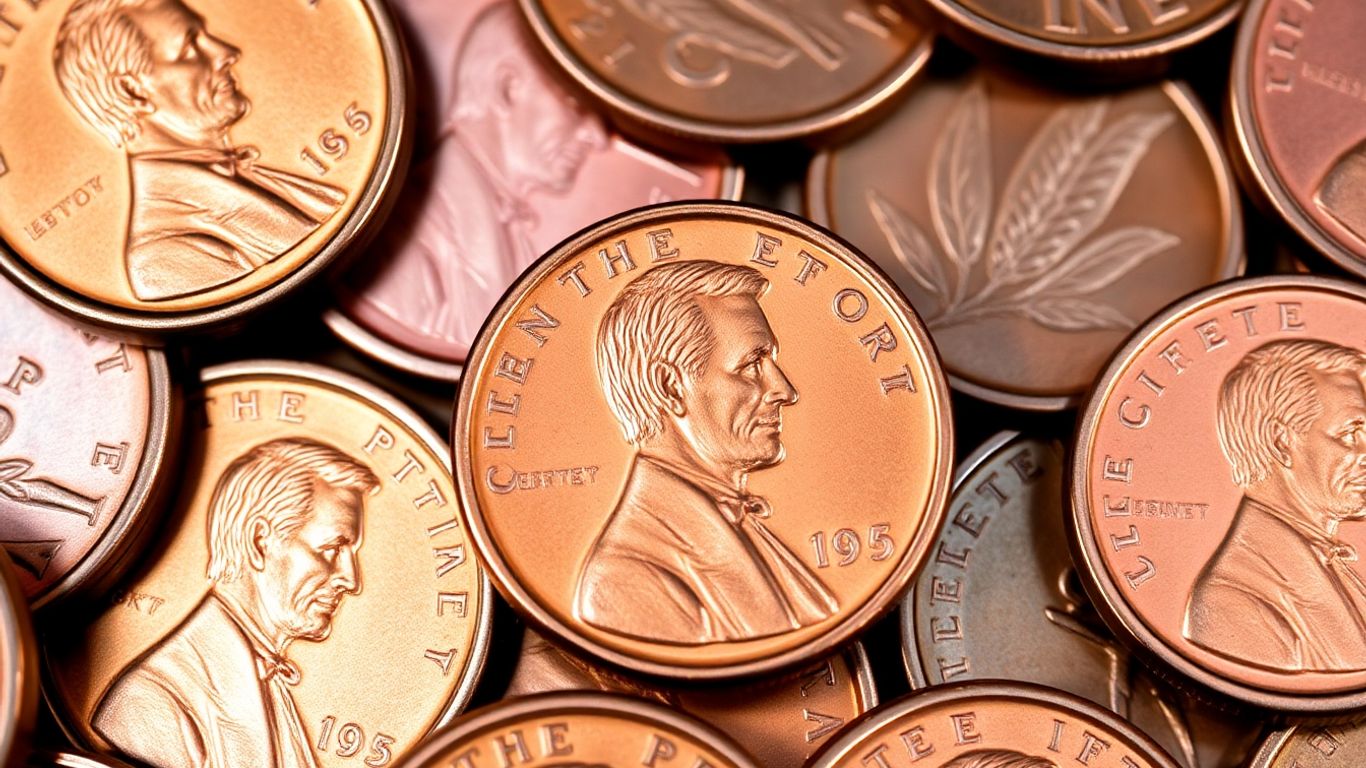
When you’re looking to sell your wheat pennies, understanding how they’re graded is a pretty big deal. It’s not just about how old they are; the condition of the coin plays a huge role in what someone will pay for it. Think of it like this: a brand new car is worth more than one that’s been driven for years, right? Coins are similar.
The Sheldon Grading Scale Explained
The most common way coins are graded is using the Sheldon Scale. This scale runs from 1 to 70, with higher numbers meaning a better condition. It’s a pretty detailed system, and most collectors and dealers know it well. Here’s a simplified look at some of the main categories:
- Poor (P-1): Barely recognizable, major damage.
- Fair (F-12): Very worn, but the outline of the design is visible.
- Good (G-4): Worn smooth in areas, but the date and some lettering are readable.
- Very Good (VG-8): Moderate wear, but all major features are present.
- Fine (F-12): Clear details, but significant wear.
- Very Fine (VF-20): Light wear on the high points of the design.
- Extremely Fine (XF-40): Slight wear, but most details are sharp.
- About Uncirculated (AU-50 to AU-58): Very little wear, almost like new.
- Mint State (MS-60 to MS-70): No wear at all. MS-70 is considered perfect.
How Condition Impacts Value
So, how does this grading stuff actually affect what your wheat pennies are worth? Well, it’s pretty straightforward: the better the condition, the higher the value. A wheat penny graded MS-65 (Mint State 65) will be worth significantly more than the exact same coin if it’s only graded G-4 (Good 4). This is because coins in better condition are rarer and more desirable to collectors. For example, a common date wheat penny in a low grade might only be worth a few cents, but that same coin in uncirculated condition could be worth several dollars. You can get an estimation of the worth of wheat pennies based on color and grade here.
Professional Grading Services
While you can learn to grade coins yourself, for valuable coins or when you’re selling a significant collection, getting a professional grading is often a good idea. Services like the Professional Coin Grading Service (PCGS) and Numismatic Guaranty Company (NGC) examine coins and encapsulate them in a protective holder with a grade assigned. This professional assessment adds a layer of trust and authenticity that buyers appreciate. It can be a bit of an investment upfront, but for rare varieties or high-grade coins, it can definitely pay off by confirming their quality and increasing their marketability.
The condition of a coin is one of the most significant factors in determining its value. Even minor differences in wear and tear can lead to substantial differences in price. Collectors often seek out coins that look as close to their original mint state as possible.
When you’re selling, knowing the grade of your wheat pennies helps you set realistic expectations and have more informed conversations with potential buyers in Austin. It’s a key piece of the puzzle when figuring out the true worth of your collection.
Wrapping Up Your Wheat Penny Sale
So, you’ve got a stack of wheat pennies and you’re ready to turn them into cash right here in Austin. We’ve looked at a few spots that can help you out, whether you like talking face-to-face or prefer doing things online. Remember, a little research goes a long way. Knowing what you have, even just the basics, can make the selling process smoother. Don’t be afraid to get a few opinions if you’re unsure. Ultimately, finding a buyer you trust is key to getting a fair deal for your old copper coins. Happy selling!
Frequently Asked Questions
What makes a wheat penny valuable?
Wheat pennies can be valuable for a few reasons. The year they were made, the mint mark (where it was made), how rare they are, and their condition all play a big role. Some years and mint marks are much harder to find, making them more sought after by collectors.
How can I tell if my wheat pennies are rare?
To find out if your wheat pennies are rare, you’ll want to check the date and the mint mark. Dates like 1909-S, 1914-D, and 1931-S are known to be rarer. Also, look for pennies with no mint mark (made in Philadelphia) or ones with an ‘S’ (San Francisco) or ‘D’ (Denver) mint mark, as some of these are more valuable than others.
Should I clean my wheat pennies before selling them?
It’s generally not a good idea to clean your wheat pennies. Cleaning can actually damage the coin’s surface and make it look less appealing to collectors, which can lower its value. It’s usually best to leave them as they are.
How do I find a coin dealer in Austin?
You can find coin dealers in Austin by searching online for ‘coin shops Austin’ or ‘coin buyers Austin.’ Look for places that specialize in U.S. coins or have good reviews. Some well-known places include Austin Rare Coins & Bullion and Coinfully, which also offers online appraisals.
What should I expect when I get my coins appraised?
When you get your coins appraised, the dealer will look at them closely to figure out their condition, rarity, and market value. They’ll explain what they see and give you an offer. Reputable dealers will be open about how they arrived at their price and won’t pressure you to sell.
Is it better to sell my wheat pennies individually or in bulk?
It depends on the pennies. If you have some very rare or valuable wheat pennies, selling them individually might get you more money. However, if you have a large quantity of common wheat pennies, selling them in bulk to a dealer who buys by the pound or in large lots might be simpler and still bring in a decent amount.
How can I get the best price for my wheat pennies?
To get the best price, it’s smart to compare offers from a few different coin dealers. Do a little research on the value of your pennies beforehand, and don’t be afraid to negotiate. Understanding current market trends can also help you know what to expect.
What is coin grading and why is it important?
Coin grading is a way to describe the condition of a coin on a scale, usually from 1 to 70. A higher grade means the coin is in better shape and is generally worth more. Professional grading services can give an official grade, which helps buyers and sellers agree on a coin’s value.