Thinking about collecting coins? It’s a hobby that can be really interesting, blending history with a bit of treasure hunting. You might even find coins that are worth more than you think. This guide is here to help you figure out how to start, what to look for, and how to keep your finds in good shape. Whether you’re just curious or looking for something with investment potential, we’ll cover the basics to get you going on your own identifying valuable coins guide journey.
Key Takeaways
- Numismatics, or coin collecting, is a hobby with appeal for many reasons, including history, art, and possible financial gain. It’s easy to get started with some basic knowledge.
- Find a focus for your collection, like specific types of U.S. coins or coins with errors. Use books and online groups to learn more about what interests you and fits your budget.
- Keep your coins in good condition by storing them properly in protective holders and never cleaning them. The Sheldon scale (1-70) is used to grade how good a coin’s condition is.
- To avoid buying fake coins, always purchase from dealers you trust and consider using professional services that can verify a coin’s authenticity. Tools like magnifying glasses help you look closely at coins.
- Understanding what makes a coin rare and in-demand is key to knowing its value. This includes its condition, how many were made, and what collectors are willing to pay for it, which can sometimes be more than the metal it’s made from.
Understanding the Basics of Coin Collecting
Welcome to the fascinating world of numismatics! If you’ve ever found an old coin in your pocket and wondered about its story, you’re already on the right track. Numismatics is the study and collection of coins, tokens, and paper money. It’s a hobby that’s been around for ages, attracting people for all sorts of reasons – from the pure joy of discovery to the potential for investment. It’s not just about the metal value, like you might think with large gold reserves; it’s about history, art, and the stories each piece tells.
Defining Numismatics and Its Appeal
At its heart, numismatics is about more than just accumulating metal. It’s a deep dive into history, culture, and economics, all captured in small, tangible objects. Think of a coin as a tiny time capsule. It can tell you about the ruler who issued it, the economic conditions of its time, and the artistic styles of its era. The appeal is broad. Some collectors are drawn to the historical aspect, wanting to hold a piece of the past. Others are fascinated by the artistry and design. And yes, there’s also the investment angle; certain rare coins can appreciate significantly over time, especially those made of precious metals.
Identifying Different Collector Types
People get into coin collecting for many reasons, and it’s helpful to see where you might fit in. You’ll find:
- The Hobbyist: This collector is primarily driven by enjoyment and the thrill of finding interesting coins. They might focus on a specific theme or just collect what catches their eye.
- The Investor: This person views coins as assets, looking for pieces that are likely to increase in value. They often focus on rare coins or precious metal bullion coins.
- The Thematic Collector: These collectors build sets around specific topics, like coins from a particular country, coins depicting animals, or coins related to historical events.
- The Historian/Art Enthusiast: This collector is drawn to the historical context and artistic merit of coins, appreciating their design and the stories they represent.
The Thrill of Discovery and Investment Potential
There’s a unique excitement that comes with finding a special coin, whether it’s in your change, at a flea market, or through a trusted coin dealer in Austin, TX. It’s that moment of realization – "Hey, this isn’t just any coin!" This sense of discovery is a huge part of the hobby’s charm. Beyond the thrill, there’s also the investment potential. While not every coin will make you rich, rare and well-preserved coins can be solid investments. Global demand for precious metals, for instance, can influence the value of bullion coins. Understanding rarity, condition, and market trends is key if you’re looking at coins as an investment.
Coin collecting offers a blend of historical exploration, artistic appreciation, and potential financial growth. It’s a hobby that can be as simple or as complex as you want it to be, making it accessible to almost everyone. The journey of building a collection is often more rewarding than the destination itself.
Choosing Your Collecting Focus
Alright, so you’ve got the bug, huh? You’re looking at coins and seeing more than just pocket change. That’s awesome! But before you go buying every shiny disc you see, let’s talk about picking a direction. Trying to collect everything is like trying to eat an entire buffet in one sitting – you’ll get overwhelmed fast and probably won’t enjoy it much.
Exploring Common Coin Types
This is where most people start, and for good reason. It’s accessible and you can find these coins without breaking the bank. Think about what catches your eye. Are you drawn to the history of U.S. currency? Maybe the designs on coins from other countries? Or perhaps you’re fascinated by the sheer variety of coins minted over the years.
- U.S. State Quarters: These are super popular for beginners. Each state has its own design, and collecting the whole set is a fun, achievable goal. Plus, you can often find them in your everyday change.
- Lincoln Cents: From the early wheat pennies to the current shield design, these have been around forever. There are tons of varieties and dates to chase, making it a lifelong pursuit for some.
- World Coins: Don’t limit yourself to just one country! Coins from Europe, Asia, or anywhere else can offer incredible artistic designs and historical insights. You might find yourself drawn to a specific region or a particular era.
Discovering Unique Error Coins
Now, this is where things get a bit more exciting for some. Error coins are those that have a mistake made during the minting process. They’re not supposed to happen, which makes them rare and often quite sought after. Finding one feels like striking gold, even if it’s just a slightly off-center strike or a doubled die.
- Off-Center Strikes: The coin isn’t fully centered in the die when it’s struck, leading to a design that’s partially cut off.
- Doubled Dies: The die itself is doubled, meaning you’ll see a "ghost" image or doubling on parts of the design.
- Struck Through: Sometimes, a foreign object (like a piece of metal or cloth) gets between the die and the planchet (the blank coin), leaving an impression on the coin’s surface.
These little mistakes can turn a common coin into something quite special.
Understanding Proof and Brilliant Uncirculated Coins
These are coins made specifically for collectors, not for general circulation. They’re usually made with extra care and have a distinct look that sets them apart from regular coins you might find in your pocket.
- Brilliant Uncirculated (BU): These coins are in perfect, mint condition. They haven’t been used in commerce and still have their original mint luster. They look like they just came off the press, but they’re handled carefully to keep them that way.
- Proof Coins: These are made using special dies and polished planchets. They’re struck multiple times to bring out incredible detail, and often have a mirror-like background with frosted design elements. They’re usually made in limited quantities and are considered high-end collectibles.
Picking a focus is like choosing a path in a big forest. You could wander aimlessly, but having a trail to follow makes the journey much more enjoyable and productive. It helps you learn more about a specific area and build a collection that tells a cohesive story.
Essential Tools for Aspiring Collectors

Alright, so you’re thinking about getting into coin collecting. That’s awesome! It’s a hobby that can really grow on you. But before you start hunting for those rare finds, you’re going to need a few basic things to help you out. Think of these as your starter pack, the things that make the whole process easier and more enjoyable.
Magnifying Glasses for Detailed Inspection
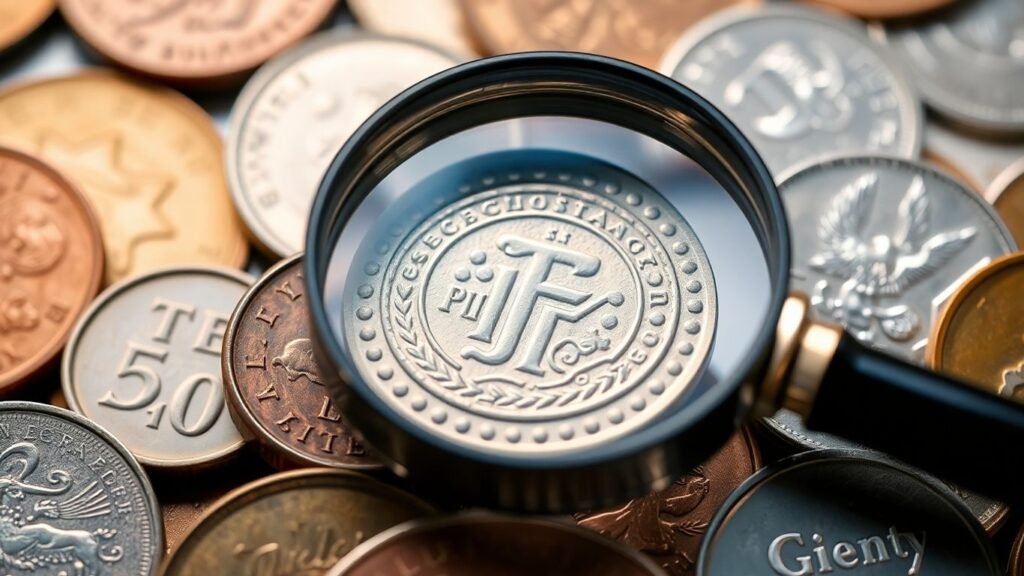
This is probably the most important tool you’ll grab. You can’t really appreciate the tiny details on a coin, like mint marks or wear patterns, with just your eyes. A good magnifying glass, or even better, a loupe, lets you see what’s really going on. You’ll want something that gives you a clear, magnified view without distorting the image too much. Look for a magnification of at least 5x to 10x. This will help you spot subtle differences, check for damage, and even identify potential fakes.
Protective Holders and Albums
Once you start finding coins you like, you’ll want to keep them safe. Fingerprints and scratches can really mess up a coin’s condition, which directly impacts its value. There are tons of options out there, from simple plastic flips to more elaborate albums. Albums are great for organizing specific sets, like state quarters or Lincoln cents, and they often have spaces for each coin in a series. Holders, like 2x2s (cardboard holders with a Mylar window), are good for individual coins and make them easy to store and view. Just make sure whatever you use is made of archival-quality material so it doesn’t damage the coins over time. You can find these at most coin shops or online retailers.
Gloves for Handling Coins
This one might seem a little extra, but trust me, it’s worth it. The oils and acids on your skin can actually corrode coins over time, especially older or more delicate ones. Wearing cotton or nitrile gloves when you’re handling your coins, particularly those you consider valuable or are in great condition, is a smart move. It’s a simple step that helps preserve the coin’s surface and maintain its original luster. It’s a small habit that makes a big difference in the long run for your collection.
You don’t need to break the bank on fancy equipment when you’re just starting out. A decent magnifying glass, some basic protective holders, and a pair of cotton gloves are really all you need to begin inspecting and storing your coins properly. As you get more into the hobby and your collection grows, you can always upgrade your tools. The main goal is to be able to see the details and keep your coins from getting damaged.
Here’s a quick rundown of what to look for:
- Magnification: Aim for 5x to 10x for general inspection. Higher magnification might be needed for very fine details.
- Holder Material: Always choose archival-safe materials like Mylar or inert plastics. Avoid PVC (polyvinyl chloride) as it can damage coins.
- Glove Type: Cotton gloves are common, but nitrile gloves offer a good grip and protection without the lint.
Building Your First Coin Collection
So, you’ve decided to jump into the world of coin collecting. That’s awesome! It can feel a bit overwhelming at first, but building your first collection is really about finding what sparks your interest and going from there. Don’t feel pressured to go for the rarest, most expensive coins right away. There are plenty of ways to get started without breaking the bank.
Selecting a Starting Theme
This is probably the most important step. What kind of coins do you find interesting? Do you like history? Art? Maybe you just want something that’s easy to find and put together. Having a theme makes collecting more focused and, honestly, a lot more fun. It gives you a goal to work towards.
Here are a few ideas to get you thinking:
- U.S. State Quarters: These are super popular for a reason. They’re affordable, readily available, and each one tells a little story about a different state. You can find them in your pocket change!
- Lincoln Cents: Collecting all the Lincoln cents from 1909 to the present is a classic. You can learn a lot about American history just by looking at the different designs and mint marks over the years.
- World Coins: Maybe you’re interested in a specific country or region. Collecting coins from Europe, Asia, or even ancient civilizations can be incredibly rewarding, though it might require a bit more research.
- Error Coins: These are coins that have mistakes made during the minting process. They can be really fascinating and often have a unique story behind them. Finding one in circulation is a real thrill.
The key is to pick something that genuinely excites you. If you’re not interested in the coins, you won’t stick with it. Think about what you enjoy learning about, and let that guide your choice. It’s your collection, after all!
Sourcing Coins from Everyday Finds
Don’t underestimate the power of your own pocket change! Seriously, you can find some pretty interesting coins just by paying attention to the money you get back from a purchase. This is a fantastic way to start without spending extra money. Keep a small container handy for any interesting coins you come across.
- Check your change: Look for coins that seem different, have unusual marks, or are from a different year than you expect. You might find older coins, foreign coins, or even error coins.
- Coin rolls from the bank: Sometimes, banks have rolls of coins that people have turned in. You can ask to buy a roll of pennies, nickels, dimes, or quarters and sort through them. It’s like a treasure hunt!
- Ask friends and family: Let people know you’re collecting. They might be happy to give you any old coins they find lying around.
Purchasing from Reputable Dealers
While finding coins in circulation is exciting, sometimes you’ll want to acquire specific coins to fill gaps in your collection or to get a coin in better condition. This is where reputable dealers come in. Buying from a trusted source is super important to make sure you’re getting what you pay for and not a fake.
- Local Coin Shops: These are great places to start. You can often talk to the owner, see the coins in person, and get advice. Look for shops that are members of professional organizations like the American Numismatic Association (ANA).
- Coin Shows: These events bring dealers and collectors together. You can see a huge variety of coins and often find good deals. It’s also a great place to learn and meet other collectors.
- Online Dealers: There are many reputable online dealers. Always do your homework before buying online, check reviews, and look for dealers with clear return policies. Websites like Global Coin can be a good starting point.
Remember, building a collection is a marathon, not a sprint. Enjoy the process of discovery and learning along the way!
The Importance of Coin Research
Okay, so you’ve got a few coins, maybe you found them in your change or got them as a gift. That’s cool, but to really get into this hobby and know what you’re looking at, you gotta do some digging. Research is like the secret sauce for coin collectors. It’s how you go from just having a pile of metal discs to understanding their stories, their worth, and why some are way more interesting than others.
Leveraging Key Reference Books
Think of reference books as your trusty old maps. They’ve been around for ages and are packed with information that’s been checked and double-checked. For U.S. coins, the "Red Book" (officially "A Guide Book of United States Coins" by R.S. Yeoman) is pretty much the bible. It lists pretty much every U.S. coin ever made, tells you what they looked like, when they were made, and gives you an idea of their value. It’s not always perfect with pricing, as the market changes, but it’s a solid place to start learning about different series, mint marks, and what makes a coin special.
- The "Red Book": Your go-to for U.S. coins, covering history, varieties, and estimated values.
- Specialized Books: For specific interests like Morgan dollars or error coins, look for books dedicated to those topics.
- Auction Catalogs: These can show you what coins are actually selling for and highlight rare examples.
Utilizing Online Resources and Communities
These days, the internet is a goldmine (pun intended!). You’ve got websites from grading services like PCGS and NGC that have massive databases and articles. Then there are forums and social media groups where you can actually talk to other collectors. People share pictures, ask questions, and help each other out. It’s a great way to get quick answers or see what’s currently trending in the collecting world. Just remember, not everything you read online is gospel, so cross-reference when you can.
- Grading Service Websites: NGCcoin.com and PCGS.com offer coin details, population reports, and educational articles.
- Numismatic Forums: Websites like CoinCommunity.com or dedicated subreddits on Reddit allow for discussions and Q&A.
- Dealer Websites: Many reputable dealers have blogs or articles sharing their knowledge.
Understanding Mint Marks and Key Dates
This is where things get really interesting and where a coin’s value can really jump. A mint mark is just a little letter (or sometimes no letter) on the coin that tells you where it was made. For example, a "D" usually means Denver, and an "S" means San Francisco. Some mints only made coins for a short time or produced fewer coins, making those particular coins rarer. "Key dates" are specific coins within a series that are particularly scarce, often due to low mintage numbers or being produced in a specific year that had high demand. Finding a key date in good condition can be a big deal for your collection.
Knowing where a coin was made and which specific year or variety is scarce can dramatically change its importance and desirability among collectors. It’s not just about the design; it’s about the history of its production.
- Mint Marks: Look for letters like D (Denver), S (San Francisco), O (New Orleans), CC (Carson City), or sometimes no mark (Philadelphia).
- Key Dates: These are the rarest dates within a coin series, often the most sought-after.
- Varieties: Sometimes, there are small differences in the dies used to strike coins, creating rare varieties (like the famous 1955 Double Die Obverse Lincoln Cent).
Assessing Coin Condition and Value
So, you’ve found a coin that looks interesting, maybe even valuable. Now what? Figuring out just how much it’s worth involves a few key steps, and it’s not always as simple as looking up a price. It really comes down to two main things: how good is the coin’s condition, and how rare is it?
Navigating the Sheldon Grading Scale
This is where things get a bit technical, but it’s super important. The Sheldon scale is the standard way collectors and dealers talk about a coin’s condition. It runs from 1 to 70, with 70 being absolutely perfect, like it just came from the mint yesterday. Most coins you’ll encounter will fall somewhere in the middle. A coin’s grade isn’t just about how worn it looks; it’s a combination of several factors.
Here’s a quick look at some general grade ranges:
- Poor (P-1) to Fair (F-12): These coins are heavily worn, often with major parts of the design missing. You can usually make out the date and some lettering, but not much else.
- Good (G-4) to Very Good (VG-10): More detail is visible, but the coin is still quite worn. You can see the main features of the design.
- Fine (F-12) to Very Fine (VF-20): Moderate wear is apparent, but most of the coin’s details are still clear. You can see the design elements without much effort.
- Extremely Fine (XF/AU-50 to AU-58): Very light wear, mostly seen on the highest points of the design. The coin still looks pretty sharp.
- About Uncirculated (AU-58): Almost perfect, with just a hint of wear on the highest spots. This is a tough grade to get right.
- Uncirculated (MS-60 to MS-70): These coins show no wear from circulation. The difference between MS-60 (basic uncirculated) and MS-70 (perfect) is all about the "eye appeal" – things like luster, strike, and any minor imperfections.
The higher the grade, the more a coin is generally worth, assuming it’s not a common date.
Examining Obverse, Reverse, and Strike Quality
When you’re looking at a coin, you’ll want to check both sides – that’s the obverse (usually the head side) and the reverse (the tail side). You’re looking for:
- Wear: Are the high points of the design worn smooth? On a Lincoln cent, for example, is Lincoln’s hair and cheek worn down?
- Strike: How well did the mint press the coin? A strong strike means all the details are sharp and clear. A weak strike can make a coin look less impressive, even if it hasn’t been handled much.
- Damage: Look for nicks, scratches, bent rims, or anything that looks out of place. These things can really hurt a coin’s value.
Understanding Luster and Wear
Luster is that "new coin" shine. It’s the way light reflects off the coin’s surface. A coin with strong, original luster will look much better than one that’s dull or has been handled a lot. Wear, as we’ve talked about, is the gradual loss of metal from the coin’s surface due to friction from being used. Original luster is a big deal for higher-grade coins.
When you’re assessing a coin, try to look at it under good lighting. Sometimes, what looks like wear can actually be a die mark from the minting process, or even just a smudge. It takes practice to tell the difference, so don’t get discouraged if you miss things at first. Patience is key here.
Remember, even if a coin isn’t in perfect condition, it can still be interesting or historically significant. It’s all part of the fun of collecting!
Protecting Your Collection from Fakes
It’s a bummer, but fake coins are out there. Seriously, I’ve seen some pretty convincing ones, and even experienced collectors can get fooled sometimes. It’s not just about the big, rare stuff either; even common coins can be altered or outright copied. So, how do you keep your hard-earned collection safe from these imposters? It really comes down to a few key practices.
Recognizing Signs of Counterfeit Coins
Spotting a fake isn’t always obvious, but there are clues. Think about the details. Does the coin look a little soft, like the design isn’t quite sharp? Sometimes the edges might feel off, or the metal might have a weird color. Weight is a big one, too. Real coins have specific weights, and a fake might be lighter or heavier. You can often find these specs in reference books or online. Another trick is the ‘ping’ test – genuine silver coins often have a distinct ring when gently tapped, while fakes can sound dull. It’s like listening for a bad note in a song; you just get a feel for it with practice.
- Detail Quality: Look for mushy or indistinct features. Genuine coins usually have crisp, clear designs.
- Weight and Dimensions: Compare the coin’s weight and diameter to known specifications for that type.
- Edge: Check for a seam line, which can indicate a cast counterfeit, or an unusual reeding pattern.
- Color and Luster: Fakes might have an unnatural shine or a color that doesn’t match genuine examples.
The best defense against counterfeits is knowledge. The more you know about the coins you collect, the easier it will be to spot something that’s not quite right. Don’t be afraid to spend time with your coins, examining them closely under good light.
The Role of Authentication Services
When you’re dealing with high-value coins or just want that extra peace of mind, professional authentication services are your best friend. Companies like PCGS and NGC have teams of experts who can examine a coin and determine if it’s genuine. They’ll encapsulate the coin in a protective holder with a label stating its authenticity and grade. It’s a bit like getting a certificate of authenticity for a piece of art. While it costs money, for important coins, it’s often well worth the investment to protect your investment.
Buying Wisely to Avoid Deception
Honestly, the easiest way to avoid buying fakes is to buy from places you trust. Stick with well-established coin dealers, reputable auction houses, or collectors you know personally. If a deal seems too good to be true, it probably is. Be wary of online marketplaces where sellers might not be as vetted. Always do your homework on the seller and the coin before handing over your cash. It’s better to pay a little more for a coin from a trusted source than to end up with a worthless fake.
Preserving the Value of Your Coins
So, you’ve started building a coin collection, and maybe you’ve even found a few real gems. That’s awesome! But now comes the part that’s just as important as finding them: keeping them in good shape. It’s easy to think that shiny coin needs a good scrub, but trust me, that’s usually the worst thing you can do. Cleaning coins can actually strip away their history and, more importantly, their worth. Think of the patina on an old coin like the wrinkles on a wise old face – it tells a story.
Proper Storage Techniques
Where you keep your coins matters a lot. You want a place that’s cool, dry, and away from direct sunlight. Humidity is a coin’s enemy, and so is extreme heat or cold. Using the right kind of holders is also key. Archival-quality flips, albums, or slabs are your best bet. These materials won’t react with the metal of your coins and cause damage over time. Avoid PVC (polyvinyl chloride) plastics at all costs; they can leach chemicals and turn your coins green or sticky.
- Use inert materials: Stick to Mylar, polyethylene, or polypropylene for coin holders.
- Control the environment: Aim for stable temperatures and low humidity.
- Handle with care: Always use cotton gloves or hold coins by their edges to avoid transferring oils from your skin.
The Dangers of Cleaning Coins
This is a big one, folks. I can’t stress this enough: don’t clean your coins unless you absolutely know what you’re doing, and even then, proceed with extreme caution. A little bit of dirt might look bad, but a scratched or dulled surface from improper cleaning looks a lot worse to collectors. Professional grading services can often spot a cleaned coin from a mile away, and it can significantly drop its market value. If a coin is really dirty, a gentle rinse in distilled water followed by a careful pat dry with a soft, lint-free cloth is usually the most you should attempt. For anything more, it’s better to leave it to the professionals or just accept the coin as it is. You might be surprised how many collectors actually prefer the natural toning that develops over time; it’s a sign of age and authenticity.
The natural toning and surface characteristics of a coin are often considered part of its appeal and historical narrative. Aggressive cleaning can permanently alter these features, diminishing both aesthetic quality and monetary value in the eyes of experienced collectors and potential buyers. It’s a common mistake for beginners, but one that can be costly.
Maintaining Pristine Condition
Keeping your coins looking their best involves a few simple habits. Beyond proper storage and avoiding cleaning, think about how you handle them. When you’re showing off your collection or sorting through new acquisitions, always use gloves. If you don’t have gloves, be super careful to only touch the coin’s edges. This prevents fingerprints, which can leave acidic residues that etch the metal over time. For display pieces, consider using UV-protected cases to prevent fading of labels or toning if the coin is particularly sensitive. If you’re looking to get a professional opinion on a coin’s condition or value, services like PCGS or NGC are well-regarded. They can provide expert grading and authentication, which adds a layer of trust and can boost a coin’s desirability in the market. For those in the Austin area, expert coin appraisals can help you understand the condition and potential value of your collection.
Exploring Specific Coin Categories
Once you’ve got a handle on the basics, it’s time to think about what really sparks your interest. The world of coins is huge, and picking a niche can make collecting way more fun and focused. It’s like choosing your favorite type of book or movie – there’s something for everyone.
The Allure of Morgan Dollars
Morgan dollars are a big deal in the U.S. coin collecting world. These silver dollars were made from 1878 to 1904, and then again for a bit in 1921. People love them for a few reasons. First off, they’re made of a good chunk of silver, which has its own value. But more than that, the design is pretty classic, featuring Lady Liberty on one side and a bald eagle on the other. Some dates and mint marks are way rarer than others, making them a real treasure hunt. If you’re looking to get into collecting older U.S. silver, Morgan dollars are a solid place to start. You can often find them from reputable coin dealers who know their stuff.
Collecting Bullion and Commemorative Coins
Bullion coins are all about the precious metal content. Think American Gold Eagles or Canadian Maple Leafs. Their value is tied pretty closely to the price of gold or silver on the market. They’re a way to own physical gold or silver, and they have a bit of collector appeal too. Commemorative coins, on the other hand, are made to celebrate specific events, people, or places. They might be made of silver or clad metal, and their value comes from both their metal content (if any) and their historical significance. They can be really interesting if you’re into history or a particular event.
- Bullion Coins: Focus on precious metal content (gold, silver, platinum). Value fluctuates with metal prices.
- Commemorative Coins: Celebrate specific themes, events, or people. Value is a mix of metal, rarity, and historical interest.
- Investment Potential: Both can offer investment opportunities, but bullion is more directly tied to market metal prices.
Delving into Ancient and Foreign Coins
This is where things get really interesting if you like history. Ancient coins, like those from Greece or Rome, are like tiny pieces of history you can hold. They can be incredibly rare and tell stories from thousands of years ago. Of course, they can also be expensive and require specialized knowledge to identify and authenticate. Foreign coins offer a whole other world. You can collect coins from any country you like, focusing on a specific region, a historical period, or even just coins with cool designs. It’s a great way to learn about different cultures and economies. You can find these at coin shows or through online marketplaces.
Collecting coins is a journey. Whether you’re drawn to the history of ancient pieces, the silver content of Morgan dollars, or the global stories told by foreign currency, there’s a category that will capture your imagination and keep you coming back for more.
Understanding Coin Value Beyond Face Value
So, you’ve got a coin. It says ‘one cent’ or ‘a quarter’ right on it. That’s its face value, the easy part. But what makes some coins worth way, way more than just that number stamped on them? It’s a mix of things, really. Think of it like this: a plain t-shirt has a price, but a vintage band t-shirt worn by a rock legend? That’s a whole different ballgame.
Several factors play a big role in how much a coin is actually worth to collectors and investors. It’s not just about the metal it’s made of, though that’s part of it. We’re talking about rarity, the coin’s condition, how much people want it, and sometimes, the story it tells.
The Significance of Rarity and Condition
This is probably the biggest driver. If only a handful of a certain coin were ever made, or if very few survived, it’s going to be worth more than a coin that was minted by the millions. Think about a specific year and mint mark combination that had a really low mintage number – those are often the ones collectors hunt for. The b0d5 is a prime example of how these elements combine to elevate a coin’s status.
Condition is just as important. A coin that looks like it just came off the minting press, with all its original shine and no scratches, is going to fetch a much higher price than one that’s been tossed around in pockets for decades. This is where grading comes in, using scales that describe everything from a coin’s overall appearance to the sharpness of its details. A coin graded as ‘Mint State’ will always be more desirable than one that’s heavily worn.
Factors Influencing Market Demand
Even the rarest coin won’t be worth much if nobody wants it. Demand is driven by trends, collector interest, and sometimes, even economic factors. Certain series of coins become popular for a while, and prices can go up. Bullion coins, for instance, often see their value tied to the fluctuating prices of gold and silver on the global market. If more people are looking to invest in precious metals, the demand for these coins goes up, and so does their price.
Here’s a quick look at what drives demand:
- Popular Series: Some coin series, like Morgan Dollars, have a dedicated following that keeps demand steady.
- Historical Significance: Coins tied to important events or figures often attract collectors interested in history.
- Investment Trends: When the economy is uncertain, some people turn to tangible assets like precious metal coins.
- Aesthetics: Let’s be honest, some coins are just beautiful to look at, and that visual appeal can drive demand.
Comparing Collector Value to Metal Value
This is where things can get interesting, especially with coins made of gold, silver, or platinum. These are called bullion coins. They have a value based on the precious metal content, which changes daily with the market. Then, they have a collector value, which is based on all the factors we’ve discussed: rarity, condition, demand, and historical interest.
Sometimes, the metal value is higher than the collector value. You might have a silver dollar where the silver itself is worth more than what collectors are willing to pay for it as a collectible. Other times, a rare coin might be worth far, far more than its melt value because of its numismatic appeal. It’s a balancing act, and understanding both sides is key to figuring out a coin’s true worth.
It’s easy to get caught up in the numbers, but remember that the history and story behind a coin are often what make it truly special. That worn piece of metal might have passed through countless hands, witnessed significant events, and carries a narrative that no amount of silver or gold can replicate. Appreciating this intangible aspect is part of the joy of collecting.
So, while face value is what you see at a glance, the real excitement in coin collecting comes from uncovering the layers of rarity, condition, and demand that give a coin its true significance. It’s a journey of discovery, and every coin has a unique tale to tell beyond its stamped denomination.
Keep Collecting!
So, you’ve made it through the guide. That’s awesome! Remember, coin collecting is a journey, not a race. Whether you’re hunting for that one rare penny in your change jar or building a serious collection of silver dollars, the most important thing is to have fun. Keep learning, keep asking questions, and don’t be afraid to connect with other collectors. You never know what hidden treasures you might find, or what stories those old coins have to tell. Happy hunting out there!
Frequently Asked Questions
What exactly is coin collecting?
Coin collecting, also called numismatics, is all about gathering and studying coins. People do it because coins can be interesting for their history, cool designs, or even as a way to save money. It’s like collecting stamps or trading cards, but with money from the past and present!
How should a beginner start collecting coins?
The best way to start is to pick something you like! Maybe you want to collect coins from your state, or perhaps you’re fascinated by coins with mistakes. Once you have an idea, do some reading using books or websites, and then start looking for coins from trusted sellers or even just in your own pocket change.
What kinds of coins are good for someone new to collecting?
For beginners, coins that are easy to find and not too expensive are a great choice. Think about U.S. state quarters, coins that have a small minting error, or even new coins released by the mint. These can be fun to collect and might even become more valuable later on.
How can I tell if a coin is fake?
Spotting fake coins takes practice, but there are clues. Really cheap prices on rare coins are a big warning sign. Also, check if the coin feels right, looks right, and has the correct weight. Buying from well-known dealers and getting coins checked by experts can also help you avoid fakes.
What's the most important thing to know about coin values?
A coin’s value isn’t just what it says on it. Its rarity (how many were made), its condition (how worn it is), and how much people want it all play a big role. A coin that looks perfect and is hard to find will usually be worth much more than a common, worn-out one.
Should I clean the coins I find?
No, it’s generally a bad idea to clean your coins. Even gentle cleaning can scratch the surface and remove the coin’s natural shine, which lowers its value. It’s much better to leave them as they are or store them carefully.
What tools do I need to start collecting coins?
You don’t need much to begin! A magnifying glass is super helpful for seeing small details. You’ll also want some protective holders or albums to keep your coins safe and organized. Wearing gloves when handling coins is also a good habit to keep them from getting fingerprints on them.
Where can I find more information about coin collecting?
There are tons of resources! You can find great books like the ‘Red Book’ for U.S. coins, visit websites of grading services like PCGS or NGC, and join online communities or forums where collectors share tips. Going to coin shows is also a fantastic way to learn and see coins up close.