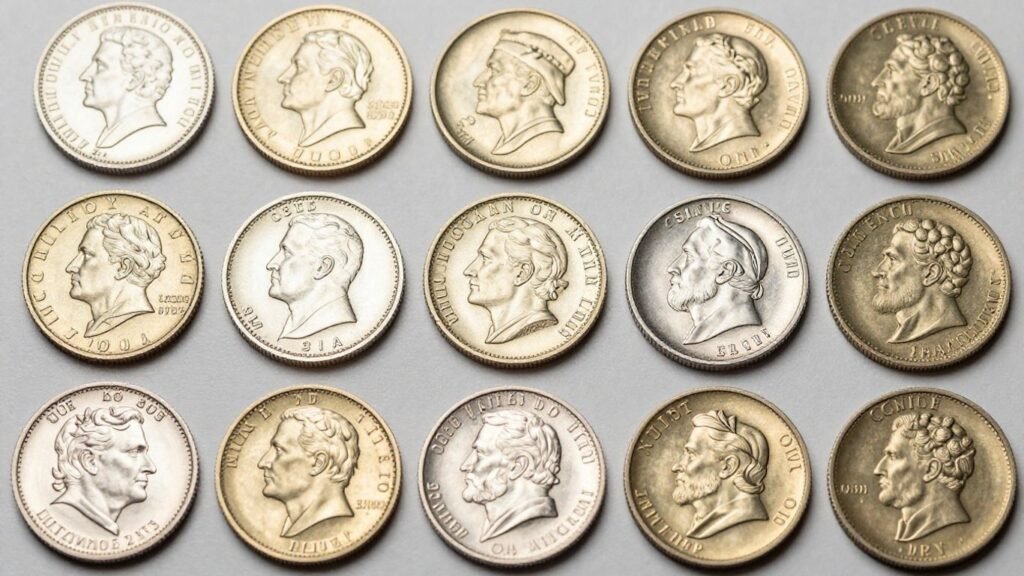
Thinking about collecting proof sets? It’s a hobby that can take you from old coins to new ones, and it’s pretty interesting. You get to see coins that were made with extra care, looking almost perfect. This guide is here to help you figure out the basics, understand what makes a proof set special, and how to get started. We’ll cover everything from the old stuff to the newer coins, so you can build a collection you’re happy with.
Key Takeaways
- Proof sets are special coin collections made with extra care, often for collectors.
- Vintage proof sets, like those from 1936-1942 and 1950-1964, have a unique appeal and history.
- Modern proof sets, starting from 1968, continue the tradition with new designs and themes.
- Using reference books and online resources can help you understand coin values and identify sets.
- Authenticating and properly storing your proof sets is important for their preservation and value.
Understanding Proof Set Collecting
So, you’re thinking about getting into proof sets? That’s cool. It’s a bit different from just collecting regular coins you might find in your pocket change. Proof sets are special, and understanding what makes them tick is the first step.
What Constitutes A Proof Set?
A proof set is basically a collection of coins struck by the U.S. Mint specifically for collectors. These aren’t your everyday coins. They’re made using special techniques to make them look super sharp and shiny. Think of it like this: regular coins are mass-produced, while proof coins are made with extra care and attention.
Here’s a quick breakdown of what makes a set a proof set:
- Special Striking Process: The dies (that’s the metal stamp that makes the coin image) and the planchets (the blank metal discs) are polished to a mirror finish. Then, they’re struck multiple times, often with lower speed and higher pressure, to get that crisp detail.
- Mirror-Like Fields: The flat parts of the coin, called fields, have a reflective, mirror-like surface.
- Frosted Devices: The raised parts, like the design elements and lettering, have a frosty or matte appearance. This contrast is a hallmark of proof coins.
- Mint Packaging: Proof sets are typically sold in a sealed package from the Mint, often with a certificate of authenticity. This keeps them protected right from the start.
The Allure of Mint-Fresh Perfection
What’s the big deal with proof sets? Well, it’s all about that perfect, untouched look. Collectors love proof sets because they represent the pinnacle of minting quality. You get coins that look like they just came off the press, with every detail sharp and clear. It’s like owning a tiny piece of art. For many, the appeal is in owning something that’s been made with such deliberate care, showcasing the Mint’s ability to produce flawless examples of our coinage. It’s a different kind of collecting, focusing on the aesthetic and the quality of the strike rather than just the rarity or historical significance of a circulated coin. These coins, especially older or error-containing sets, can be valuable investments, and while modern proof sets often sell near their original price, their numismatic value can increase significantly over time, making them attractive to collectors and investors. You can find out more about proof coins and their value at proof coins.
A Comprehensive Proof Set Collecting Guide
Getting into proof sets means you’ll want to know a bit about their history and what to look for. The U.S. Mint has been making them for a long time, with different programs and styles emerging over the decades. We’ll cover:
- Vintage Sets: These are the older ones, from before the 1970s. They have their own unique charm and collecting challenges.
- Modern Sets: From the 1970s onward, these sets often include special issues and themed coins.
- Key Features: Understanding mint marks, finishes, and packaging will help you identify and appreciate different sets.
Collecting proof sets is a journey into the meticulous side of numismatics. It’s about appreciating the craft and the pristine condition that these coins are known for. Don’t worry if it seems a bit much at first; we’ll break it all down.
There are some really good books out there that can help you get started. For instance, ‘A Guide Book of Modern United States Proof Sets’ is a popular choice that covers a lot of ground, from the early years right up to current programs. It’s packed with details that can really help you understand what you’re looking at.
Navigating Vintage Proof Sets
When you start looking into proof sets, you’ll quickly find that the "vintage" ones are a whole different ballgame compared to the shiny new ones the Mint puts out today. These are the sets that really tell a story, going back to a time when coin collecting wasn’t quite as mainstream as it is now.
The Early Years: 1936-1942
This period is where the official U.S. Proof Set program really got going. Before 1936, proof coins were usually sold individually, not as a packaged set. The sets from 1936 through 1942 are highly sought after by collectors. They contain a mix of silver denominations, and the quality of the strike and finish is just incredible. These early sets are considered the foundation of modern proof set collecting. The sets from these years typically included:
- Half Dollar
- Quarter Dollar
- Dime
- Nickel
- Cent
World War II put a stop to proof set production, and they wouldn’t reappear in the same format for quite some time. Finding these early sets in good condition can be a challenge, as they weren’t always stored with the care we see today.
Classic Proofs: 1950-1964
After a hiatus during the war and immediate post-war years, proof sets made a comeback in 1950. This era, running up to 1964, is often called the "classic" period for proof sets. These sets are still made of 90% silver, just like the earlier ones, and they represent a significant portion of many collections. The designs were familiar, featuring the same motifs that had been in use for years.
Here’s a look at what was typically in these sets:
- Silver Coins: Half Dollar, Quarter Dollar, Dime
- Base Metal Coins: Nickel, Cent
It’s important to note that the composition of the dimes, quarters, and half dollars changed in 1965, marking the end of this silver era. The sets from 1950 to 1964 are generally more available than the pre-war issues, but their silver content still gives them a solid baseline value.
Special Mint Sets: 1965-1967
This is a bit of an odd duck in the proof set timeline. From 1965 to 1967, the U.S. Mint stopped producing traditional proof sets. Instead, they issued "Special Mint Sets." These weren’t quite proofs in the traditional sense, and they weren’t regular business strikes either. They were struck with special dies and often had a higher quality finish than regular coins, but they lacked the mirror-like fields and frosted devices that define true proofs.
The transition from silver to clad coinage during this period meant that the Mint had to figure out how to present coins to collectors. These Special Mint Sets were their answer, offering a step up in quality from circulating coins without the full expense and effort of producing true proofs. They are a unique part of U.S. Mint history and are collected by those who want to complete their sets from this transitional time.
These sets are also made of the new clad composition (copper-nickel clad for dimes, quarters, and half dollars, and copper-nickel clad for the cent and nickel). While not as highly prized as the silver proof sets, they hold a special place for collectors interested in the evolution of U.S. coinage.
Exploring Modern Proof Set Programs
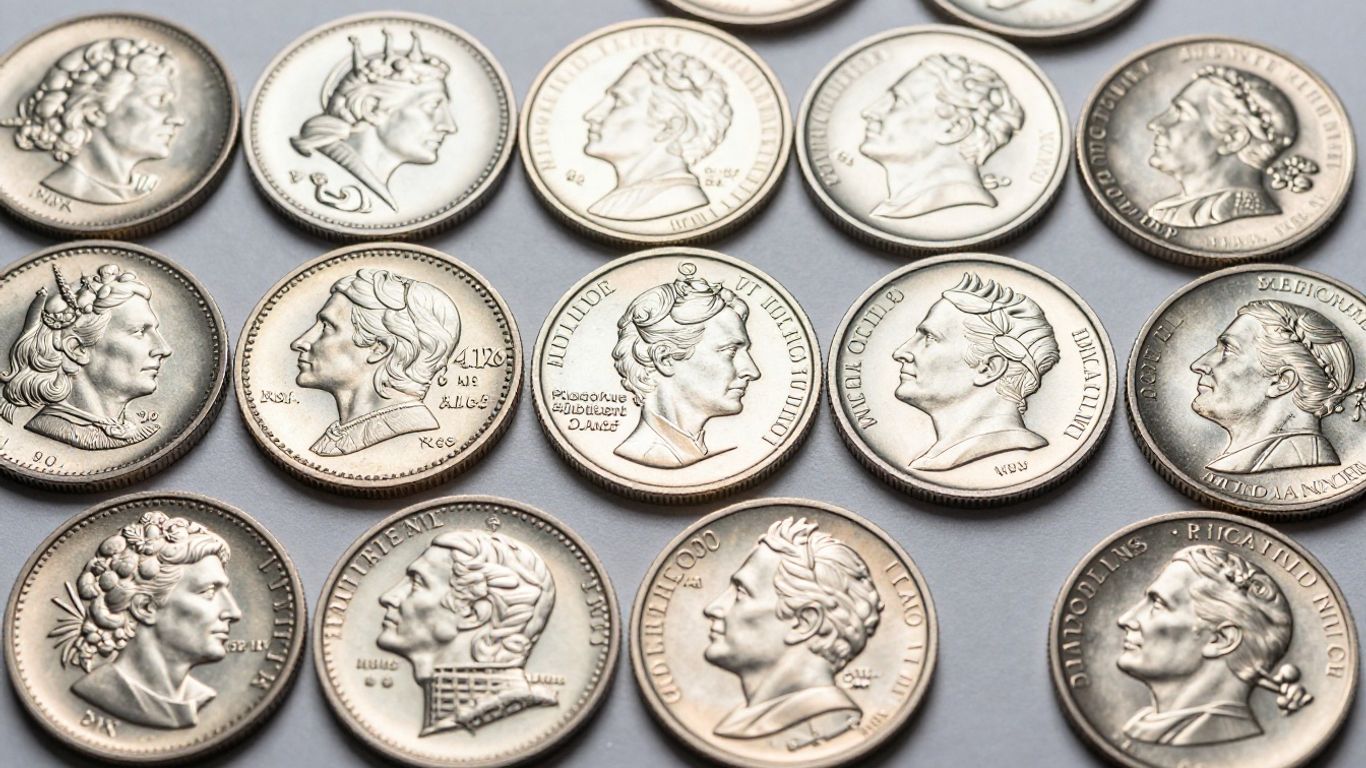
After the Special Mint Sets wrapped up, the U.S. Mint really got into a groove with its modern proof set programs. This is where things get really interesting for collectors who like a bit more variety and thematic focus in their collections.
The Modern Era: 1968-1998
This period saw the U.S. Mint consistently producing proof sets, usually featuring the circulating denominations of the time. Think Lincoln cents, Jefferson nickels, Roosevelt dimes, and Washington quarters, often accompanied by the Kennedy half-dollar. The key here is the shift to clad coinage for most denominations, moving away from silver for the regular circulating issues. These sets are generally more accessible than their silver predecessors, making them a great starting point for many collectors. They often came in a simple plastic holder, sometimes with a blue insert, and were packaged in a cardboard envelope.
- Standard Proof Sets: These typically included the Lincoln Cent, Jefferson Nickel, Roosevelt Dime, Washington Quarter, and Kennedy Half Dollar.
- Silver Proof Sets: Starting in 1992, the Mint reintroduced silver proof sets, featuring the same denominations but struck in 90% silver. These are a bit more of a premium item.
- Commemorative Sets: While not strictly proof sets in the same vein, the Mint also released various commemorative coins and sets during this time, often with proof versions available.
Statehood Quarters and Beyond
Things really took off in 1999 with the introduction of the 50 State Quarters Program. This was a game-changer, creating a massive surge of interest in coin collecting. Each year, five new quarter designs were released, representing different states. Proof versions of these quarters were included in special proof sets.
- State Quarters Proof Sets: These sets included proof versions of all 50 state quarters released that year, plus the standard proof set denominations (cent, nickel, dime, half-dollar, and later the dollar coin).
- Silver State Quarters Proof Sets: For those wanting a bit more sparkle, these sets featured the state quarters struck in 90% silver.
This program was so popular that it paved the way for subsequent themed series.
America the Beautiful Series
Following the success of the State Quarters, the U.S. Mint launched the America the Beautiful Quarters Program in 2010. This series honored national parks and other national sites, with a new design released each year for five years, representing different states and territories. Proof versions were, of course, part of the annual proof set offerings.
The consistent release of themed series like the State Quarters and America the Beautiful has made modern proof sets a dynamic area for collectors. It’s not just about the quality of the strike anymore; it’s also about the artistry and the historical or cultural themes represented on the coins.
These modern programs offer a fantastic way to build a collection that is both aesthetically pleasing and historically relevant, without necessarily breaking the bank. Plus, the Mint’s continued production means there are always new sets to look forward to.
Essential Resources for Collectors
Key Reference Books for Proof Sets
When you’re getting serious about proof sets, having the right books on hand is a game-changer. These aren’t just for show; they’re packed with information that can really help you out. Think of them as your go-to guides for understanding what’s what in the proof set world. Owning these resources can seriously boost your collecting experience.
Here are a few types of books you’ll want to look for:
- General Coin Catalogues: These offer broad overviews and pricing for many coins, including proof sets. They’re good for getting a general idea of value and identifying different sets.
- Specialized Proof Set Guides: Some books focus specifically on proof sets, detailing their history, mintage figures, and variations. These are gold for serious collectors.
- Mint Publications: Official publications from the U.S. Mint or other mints can provide accurate details about the sets they produced.
Utilizing Online Information Wisely
The internet is a huge place, and while it’s full of useful stuff for coin collectors, you’ve got to be smart about how you use it. It’s easy to get lost or find information that’s not quite right. So, when you’re looking for info online, try to stick to reputable sites. Think official mint websites, well-known numismatic organizations, and established coin dealer sites. Avoid random forums or blogs unless you can cross-reference the information elsewhere. It’s like anything else – a little caution goes a long way.
Understanding Coin Catalogues
Coin catalogues are pretty standard tools for anyone collecting proof sets. They usually list prices, but it’s important to know what those prices mean. A listed retail value is often what a dealer might sell it for, not necessarily what they’d pay you. There are also books that show dealer buying prices, which can be helpful if you’re thinking about selling.
Here’s a quick look at what catalogues typically provide:
- Set Identification: Helps you pinpoint the exact year, mint, and type of proof set.
- Pricing Guides: Offers estimated values, though these can fluctuate based on market conditions and coin condition.
- Mintage Figures: Shows how many of a particular set were produced, which can impact rarity and value.
- Varieties and Errors: Sometimes, catalogues will note specific variations or errors that are sought after by collectors.
When you’re looking at prices in a catalogue, remember that a common set worth only a few dollars might have a listed price that mostly covers the dealer’s costs for handling and selling it. It’s not always a direct reflection of the coin’s intrinsic value alone.
Valuing Your Proof Set Collection
So, you’ve got a bunch of proof sets, and now you’re wondering what they’re actually worth. It’s not always as straightforward as you might think, but there are definitely ways to get a good idea. The value of your proof sets depends on a mix of factors, from the year they were made to their condition.
Factors Influencing Proof Set Value
Several things play a role when it comes to how much a proof set is worth. It’s not just about the face value of the coins inside, that’s for sure.
- Mintages: How many of a particular set were made? Lower mintages often mean higher value, assuming there’s demand.
- Condition: This is a big one. Proof coins are meant to be perfect, so any nicks, scratches, or dullness can really bring the price down. Look for that mirror-like finish and sharp detail.
- Metal Content: Sets made with silver, especially older ones, will have a baseline value tied to the silver price. Modern sets are usually clad (copper-nickel).
- Completeness: Is the original packaging, like the box and certificate of authenticity, still with the set? Having all the original bits can add to the value.
- Rarity of Specific Coins: Sometimes, a single coin within a set might be particularly rare or in exceptionally high demand, influencing the whole set’s worth.
Market Trends and Retail Pricing
Coin values aren’t static; they move with the market. What a set sold for when it was new is a far cry from what it might fetch today. You’ll see prices listed in various places, and these are usually what dealers sell them for, not necessarily what they’ll pay you if you’re selling.
Here’s a general idea of how prices can vary:
| Set Type | Typical Retail Price Range (USD) | Notes |
|---|---|---|
| Vintage (1936-42) | $200 – $1,000+ | Highly dependent on specific set and grade |
| Classic (1950-64) | $50 – $500+ | Silver content is a major factor |
| Special Mint (1965-67) | $30 – $150+ | Less common, can have higher demand |
| Modern (1968-1998) | $20 – $100+ | Varies by year and included coins |
| Themed Sets (Quarters, etc.) | $15 – $75+ | Often lower value, popular with beginners |
Keep in mind these are just rough estimates. A pristine, rare set could easily go for much more, while a damaged or common set might be worth less.
Identifying Key Dates and Varieties
Just like with regular circulation coins, some proof sets are more sought after than others. These are often called "key dates." They might have been produced in smaller numbers or have a particular design feature that collectors really want.
- Low Mintages: Sets with fewer produced are usually more desirable.
- Special Finishes: Sometimes, a particular year might have a unique finish or striking process that sets it apart.
- Errors: While rare in proof sets, errors can significantly increase a set’s value, though they are often hard to spot and authenticate.
- Specific Coin Rarities: A proof set might contain a coin that is itself a key date or a rare variety, boosting the set’s overall appeal.
When you’re looking at the value of your proof sets, remember that condition is king. Even a rare set can lose a lot of its appeal if the coins have been handled improperly or show signs of wear. It’s always best to avoid cleaning your proof coins, as this almost always decreases their value more than it helps. A natural patina, if present, can sometimes be desirable on older sets.
To get the most accurate idea of your collection’s worth, consulting a reputable coin dealer or using a current price guide is a good next step.
Building a High-Quality Collection
So, you’ve got a proof set collection going, and you’re thinking about how to make it really shine. It’s not just about grabbing any set you see; it’s about being smart and deliberate. Building a top-notch collection means paying attention to the details and knowing what makes a set truly special.
Expert Grading Guidance
When you’re looking at proof sets, especially older ones, the condition is everything. You’ll want to get familiar with grading standards. Most collectors rely on professional grading services like PCGS or NGC. These services evaluate coins and encapsulate them in a protective holder, called a slab, along with a grade. A higher grade means the coin is in better condition, which directly impacts its value. Understanding the grading scale, from Mint State (MS) to Proof (PF) grades, is your first step to assessing quality.
Here’s a quick look at the general grading scale for proof coins:
| Grade | Description |
|---|---|
| PF 60-64 | Proof, Good to Very Good |
| PF 65-69 | Proof, Excellent to Superb |
| PF 70 | Perfect Proof |
Spotting Varieties and Errors
Beyond just the grade, some proof sets have little quirks that make them stand out. These are often called varieties or errors. They happen during the minting process and can be anything from a slightly doubled die to a minor off-center strike. While not as common in proof sets as in regular issue coins, they do exist and can add significant interest and value. You’ll need a keen eye and good reference materials to spot these. Sometimes, a small detail can make a big difference in rarity. For instance, a specific die variety might only appear on a small number of coins from a particular year, making it highly sought after by collectors focused on specific coin details.
Strategies for Acquiring Sets
Acquiring the right sets is a game in itself. It’s about knowing where to look and when to act. You can find sets at coin shows, through reputable dealers, and sometimes online, but always be cautious with online purchases. Building relationships with dealers is a smart move. They often have access to better material and can guide you. Don’t be afraid to ask questions. A good dealer will be happy to explain the coins and their history. Remember, patience is key. You won’t build a great collection overnight. It takes time, research, and a bit of luck.
Building a quality collection isn’t just about spending money; it’s about investing time in research and learning. Knowing the history, the minting process, and the factors that influence value will help you make better acquisition decisions and avoid costly mistakes. It’s about developing a discerning eye for what truly makes a coin set desirable and valuable in the long run.
When you’re ready to buy, consider these approaches:
- Attend Coin Shows: Great for seeing coins in person and talking to dealers.
- Visit Reputable Dealers: Build trust and get access to curated selections.
- Utilize Online Auctions (with caution): Good for finding specific items, but verify seller reputation.
- Network with Other Collectors: Share information and potential leads.
Authenticating and Preserving Your Sets
Tools for Verifying Authenticity
When you’re looking at a proof set, especially if it’s an older one or you’re considering a significant purchase, making sure it’s the real deal is pretty important. It’s not always obvious, but there are ways to check. A lot of this comes down to knowing what to look for, kind of like spotting a fake designer bag. Experienced dealers have a knack for this, but they also use some handy tools.
- Precision Scales: Coins have specific weights. A tiny difference can mean a lot. Weighing a coin on a good scale and comparing it to the official specs is a solid first step.
- Calipers: Just like weight, diameter matters. A caliper can measure a coin precisely. If it’s off even a little, it raises a flag.
- Magnification: Getting a close-up look under a magnifying glass or a microscope lets you see surface details. You can compare these fine lines and textures to known genuine examples.
The Importance of Metal Content
Beyond just looks and weight, the actual stuff the coin is made of tells a story. Proof sets, especially older ones, used specific metal compositions. Modern sets might use different alloys. Knowing the expected metal content is key to spotting fakes or altered coins. Sometimes, people try to pass off modern metals in older-looking coins, or they might try to clean a coin in a way that damages its surface and changes its properties. Testing the metal content can be a definitive way to confirm authenticity without harming the coin.
While fancy machines exist that can test metal content without damaging the coin, they’re usually found in professional shops. For most collectors, relying on visual inspection, weight, diameter, and knowing the history of the set is often enough. If you’re dealing with a very high-value set, getting it checked by a trusted expert is always a good idea.
Proper Storage and Handling
Once you’ve got your proof set, keeping it in good shape is just as vital as authenticating it. Proof coins are delicate; they have a mirror-like finish that scratches easily and can develop spots if not stored correctly. Think of them like a shiny new car – you wouldn’t just leave it out in the rain, right?
- Avoid Touching: Fingerprints contain oils and acids that can damage the coin’s surface over time, causing what collectors call "toning" or even corrosion. Always handle coins by their edges or use cotton gloves.
- Use Archival-Quality Holders: Plastic flips, albums, or slabs designed for coin storage are a must. Make sure they are made from inert materials that won’t react with the metal. Avoid PVC (polyvinyl chloride) plastics, as they can break down and damage coins.
- Control the Environment: Store your sets in a cool, dry place away from extreme temperature fluctuations and humidity. Basements or attics are usually not ideal. A safe deposit box or a climate-controlled display case can be good options.
Maximizing Your Collection's Potential
So, you’ve put together a nice proof set collection. That’s great! But what’s next? If you’re thinking about selling some of your sets, or maybe even the whole thing, you want to make sure you get the best possible outcome. It’s not just about handing them over; there are smart ways to approach this to get fair value and a smooth process.
Working with Reputable Dealers
When it’s time to sell, finding the right person to buy your collection is a big deal. You want someone who knows their stuff, someone honest. A good dealer will have a solid understanding of the market and what your specific sets are worth. They’ll be able to tell you if a particular set is in high demand or if it’s more of a common item.
- Look for dealers with experience: How long have they been in business? Do they specialize in proof sets?
- Check their reputation: See if they have good reviews or if other collectors recommend them.
- Ask questions: A good dealer won’t mind explaining their process or how they arrived at a price.
Dealing with a professional buyer means you’re more likely to get a fair price without a lot of hassle. They have the resources and knowledge to properly assess your collection.
Understanding Selling Options
There are a few different paths you can take when selling your proof sets. Each has its own pros and cons, so it’s good to know what they are.
- Direct Sale to a Dealer: This is often the quickest way. A dealer buys your collection outright. You get cash or payment relatively fast, but you might not get the absolute top dollar compared to other methods.
- Auction Houses: For very rare or high-value sets, auctions can sometimes bring the best prices. However, there are seller fees, and you have to wait for the auction to happen. It can also be a bit of a gamble.
- Online Marketplaces (like eBay): This can work if you have the time and know-how. You’ll need to take good photos, write descriptions, handle shipping, and deal with potential buyer issues. Fees can also eat into your profits.
Here’s a quick look at what you might expect:
| Selling Method | Speed | Potential Return | Effort Required | Risk Level |
|---|---|---|---|---|
| Direct to Dealer | High | Medium | Low | Low |
| Auction House | Low | High (sometimes) | Medium | Medium |
| Online Marketplace | Medium | Medium to High | High | High |
Organizing Items for Sale
Before you even talk to a dealer or list anything online, getting your collection organized makes a huge difference. It shows you’ve taken care of your sets and makes it easier for a buyer to evaluate them.
- Keep sets intact: Don’t break up sets unless you have a very specific reason. Buyers often want the complete package.
- Have documentation ready: If you have original boxes, certificates of authenticity, or any paperwork that came with the sets, gather it all up.
- Note any special features: Did you get these sets directly from the mint? Do you know if they are from a particularly low mintage year? Any details like this can be helpful.
Presenting your collection in an organized manner can significantly improve the buyer’s perception and potentially the final price you receive.
Wrapping Up Your Proof Set Journey
So, that’s a look at the world of proof coin sets, from those older, vintage pieces to the shiny new ones the mints are putting out today. It’s a hobby that can really grow on you, whether you’re just starting out or have been collecting for years. Remember, there are some great books out there, like the ones from Whitman and Charlton, that can really help you figure out what you have and what it’s worth. Don’t be afraid to use them! And if you ever get stuck or want to sell, finding someone who really knows their stuff is key. They can spot the real treasures and make sure you get a fair shake. Happy collecting out there!
Frequently Asked Questions
What exactly is a proof set?
A proof set is a special collection of coins made by the U.S. Mint. These coins are not meant for everyday spending. Instead, they are carefully made with extra attention to detail, using polished dies and planchets (blank coins) to create a mirror-like finish. They’re often sold in a special case to keep them safe and show off their beauty.
Why are proof sets so special to collectors?
Collectors love proof sets because they represent the highest quality of coin production. Each coin is made to look perfect, with sharp details and a brilliant shine. It’s like owning a tiny piece of art! They show off the mint’s skill and are usually made in limited numbers, making them desirable.
What's the difference between vintage and modern proof sets?
Vintage proof sets are older ones, typically made before 1968. Think of the classic sets from the 1950s and early 60s. Modern proof sets are those made from 1968 onwards. The U.S. Mint changed how they made coins around that time, so the look and materials can be a bit different.
How can I figure out how much my proof set is worth?
Several things affect a proof set’s value. The year it was made, how many were produced (mintage), the condition of the coins and the case, and if it includes any rare varieties or errors all play a part. Looking at price guides and checking what similar sets are selling for can give you a good idea.
Are there any specific proof sets that are more valuable than others?
Yes, absolutely! Certain years or sets with special designs are often more sought after. Key dates, which are coins from years with lower production numbers or unique historical significance, can significantly increase a set’s value. Sometimes, even small mistakes made during production, called errors, can make a coin incredibly valuable.
What's the best way to store my proof sets?
Keeping your proof sets in their original mint packaging is usually the best approach. This helps protect them from damage and keeps them looking their best. Avoid touching the coin surfaces directly, as fingerprints can damage the finish. Store them in a cool, dry place away from extreme temperatures or humidity.
Where can I find reliable information about proof sets?
There are great resources available! Books like the ‘Guide Book of Modern United States Proof Coin Sets’ are excellent references. You can also find valuable information on reputable coin collecting websites and in coin catalogs. Just be careful online – always stick to trusted sources to avoid misinformation.
Should I try to clean my proof coins if they look dull?
It’s generally best *not* to clean proof coins. Cleaning can easily damage their delicate surfaces and significantly reduce their value. If a coin looks dull or has some toning, it’s often better to leave it as is or consult with a professional coin expert before attempting any cleaning.