Thinking about collecting coins? It’s a neat hobby, full of history and potential finds. But where do you even begin? This collecting coin series guide is here to help you get started, whether you’re just looking at your first coin or aiming to build a really impressive collection. We’ll cover the basics, how to spot good coins, and how to keep them safe. It’s not as complicated as it sounds, and we’ll break it all down for you.
Key Takeaways
- Learn the parts of a coin and common terms used by collectors.
- Figure out what makes some coins more special and worth more than others.
- Understand how to tell the condition of a coin and why it matters for its price.
- Find out the best ways to store and care for your coins so they don’t get damaged.
- Get tips on popular coin series to start with and how to complete a set.
Understanding The Fundamentals Of Coin Collecting
Anatomy Of A Coin Explained
Ever picked up a coin and just looked at it? They’re more than just metal circles, you know. Each one has parts, and knowing them helps you talk about coins like you’ve been doing it for years. The front side, the one with the main picture or person, is called the obverse. Think of it as the coin’s ‘face’. The other side, usually with a design or the value, is the reverse. Simple enough, right? Then there’s the edge, which can be plain, reeded (those little lines), or even have writing on it. The rim is that raised border around the edge, protecting the main design from wear. Understanding these basic parts is your first step to really seeing what’s on a coin.
Essential Numismatic Terminology For Collectors
Numismatics is just the fancy word for coin collecting. To get anywhere in this hobby, you’ll need to know a few terms. Here are some common ones:
- Mint Mark: A small letter or symbol showing where the coin was made. For example, ‘D’ for Denver, ‘S’ for San Francisco.
- Date: The year the coin was officially made.
- Denomination: The face value of the coin, like ‘One Cent’ or ‘Quarter Dollar’.
- Strike: How well the design was pressed onto the coin. A sharp strike means clear details.
- Circulation: Coins that have been used as money, passed from person to person.
- Proof: Special coins made for collectors, usually with a mirror-like finish and sharp details.
You’ll hear lots of other words as you go, but don’t let them scare you. Most collectors are happy to explain things. It’s a friendly hobby that way.
The Allure Of Coin Collecting As A Hobby
So, why do people collect coins? It’s not just about hoarding old money. For many, it’s about connecting with history. Holding a coin that’s a hundred years old, maybe even older, is like holding a piece of the past. You can trace the changes in art, politics, and even technology just by looking at different coins. Plus, there’s the thrill of the hunt. Finding that one missing coin to complete a set or discovering a rare piece you didn’t even know existed is pretty exciting. It’s a hobby that can grow with you, from simple pocket change finds to building a serious collection. It’s a quiet pursuit, but one that can bring a lot of satisfaction and a sense of accomplishment.
Identifying Valuable Coins In Your Collection
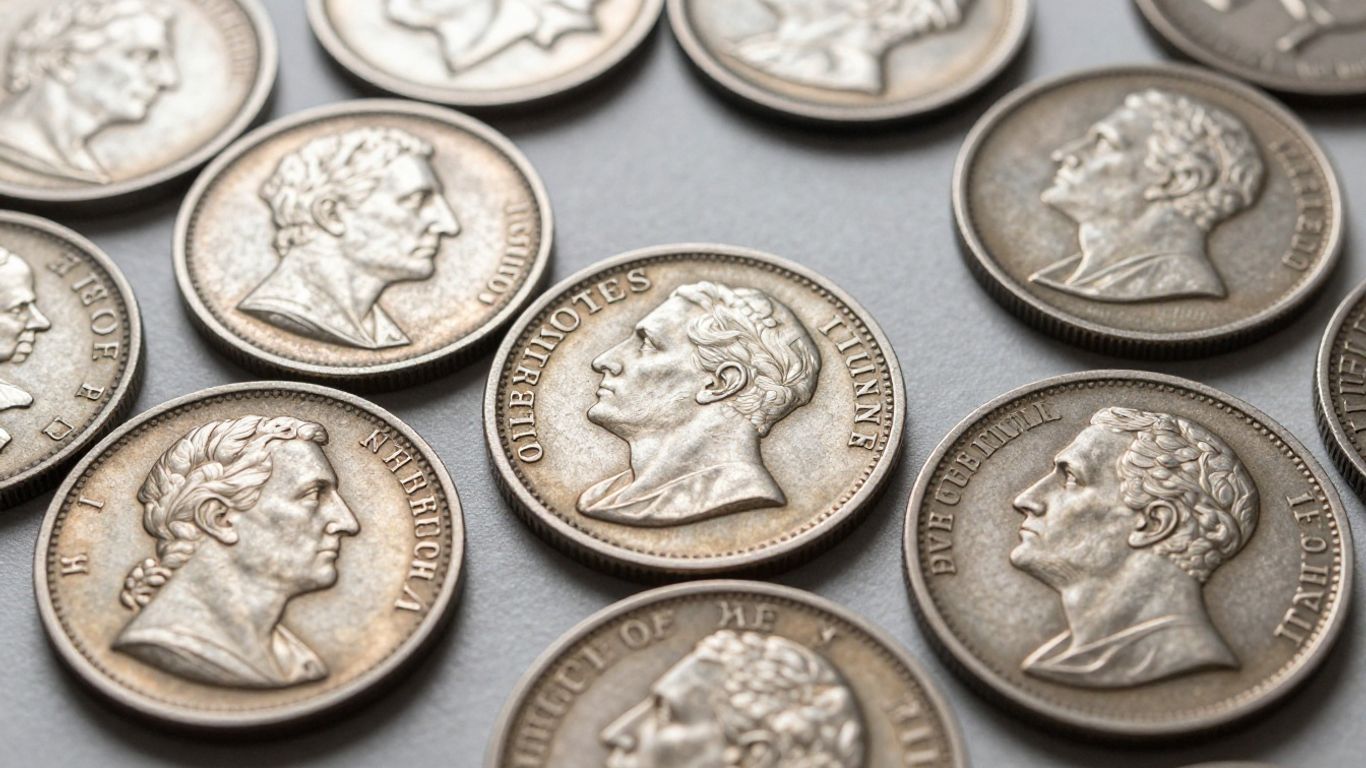
So, you’ve got a pile of old coins, maybe from your grandpa or found in a dusty attic. Now what? How do you figure out if you’ve stumbled upon a hidden gem or just a pocket full of common change? It’s not always obvious, but there are definitely ways to tell if a coin is worth more than its face value. Let’s break it down.
What Makes A Coin Rare And Desirable
Several things can make a coin stand out from the crowd. First off, mintage numbers. If only a few thousand coins were ever made, they’re naturally going to be harder to find than ones where millions were churned out. Then there’s the condition – a coin that looks like it just left the mint is way more interesting than one that’s been worn smooth. Errors during the minting process can also create unique, sought-after coins. Think about it: a mistake that only happened a few times? That’s special. Finally, historical significance plays a big role. Coins tied to important events or figures often carry extra appeal.
Spotting Hidden Treasures Others Miss
This is where a bit of detective work comes in. You need to look beyond the obvious. Sometimes, a coin might look ordinary, but a tiny detail makes it rare. For instance, a specific mint mark (like a ‘D’ for Denver or ‘S’ for San Francisco) might be much scarcer for a particular year than others. Or maybe there’s a slight variation in the design that collectors look for. You’ll want to pay attention to the "key dates" within a series – these are usually the dates and mint marks that were produced in the lowest numbers. Also, keep an eye out for coins that have survived in surprisingly good condition for their age; these are often overlooked.
Leveraging Coin Valuation Tools
Okay, so you think you’ve found something interesting. What’s it actually worth? You don’t have to guess. There are resources out there to help. Online price guides are a good starting point. They list coins by series, date, and mint mark, giving you an idea of what they’ve sold for recently. Coin dealer websites often have price lists too. For a more official assessment, you can consult grading services. They’ll not only tell you the condition but also give you a market value. Don’t rely on just one source; cross-referencing will give you the best picture.
Here’s a quick look at factors influencing value:
| Factor | Description |
|---|---|
| Rarity | How many were made? How many still exist? |
| Condition | Is it worn? Scratched? Does it still have its original shine? |
| Demand | Are collectors actively looking for this specific coin? |
| Minting Errors | Unusual mistakes made during production can make a coin unique. |
| Historical Link | Association with significant events or people. |
Figuring out a coin’s worth takes a bit of research and a keen eye. It’s not just about looking up a date; you have to consider all the little details that make one coin different from another, especially when it comes to its physical state and how many others like it are still around.
Mastering The Art Of Coin Grading
Accurate Coin Condition Assessment
So, you’ve got some coins, maybe you found them in a grandparent’s old jar or bought a few because they looked interesting. Now you’re wondering, ‘Are these worth anything?’ A big part of that answer comes down to how good a shape the coin is in. This is where grading comes in. It’s basically a way to describe a coin’s physical condition, from the mint floor to something that’s been handled a lot. Getting this right is key to knowing what your coins are really worth. It’s not just about whether it’s shiny or dull; it’s about the tiny details that collectors and dealers look at.
Understanding Grading Scales And Standards
When people talk about coin grading, they usually mean the Sheldon scale. It’s a number system from 1 to 70, where 1 is pretty beat up and 70 is absolutely perfect, like it just came out of the mint. You’ll hear terms like ‘Good’ (G), ‘Very Good’ (VG), ‘Fine’ (F), ‘Very Fine’ (VF), ‘Extremely Fine’ (XF or EF), ‘About Uncirculated’ (AU), and then the ‘Mint State’ (MS) grades from MS-60 to MS-70. Each of these has specific things they look for:
- Wear: How much of the original design has been worn away from circulation.
- Surface Preservation: Are there scratches, nicks, or other marks on the coin’s surface?
- Luster: Does the coin still have its original mint shine, or has it been dulled by handling or cleaning?
- Strike: How well did the mint strike the coin? Are the details sharp and clear, or are they weak?
There are also terms for coins that are technically uncirculated but might have minor issues, like ‘MS-60’ (which is a basic uncirculated grade) up to ‘MS-70’ (which is flawless). It takes practice to tell the difference between, say, an MS-65 and an MS-67, but that difference can mean a lot in value.
How Grading Impacts Coin Value
Think of it like this: a car that’s been driven for 100,000 miles and has a few dents isn’t worth as much as a car that’s been kept in a garage and only driven on weekends, right? Coins are similar. A coin that’s been heavily circulated and shows a lot of wear will be worth much less than an identical coin that’s in near-perfect condition. Even small differences in grade can cause big jumps in price, especially for rarer coins. For example, a common date Lincoln cent in ‘Good’ condition might be worth only a few cents, but that same coin in ‘Mint State-65’ could be worth tens or even hundreds of dollars. Professional grading services like PCGS and NGC have become the standard because they offer a consistent and trusted opinion on a coin’s grade, which buyers rely on.
Grading isn’t just about assigning a number; it’s about understanding the story a coin tells through its condition. Every mark, every bit of wear, or lack thereof, contributes to its history and its worth in the eyes of collectors. It’s a skill that develops over time with careful observation and comparison.
Safeguarding Your Numismatic Treasures
Protecting Coins From Damage
Keeping your coins in good shape is a big deal. You don’t want all that history to get messed up, right? Little things can cause big problems over time. For instance, touching coins with your bare fingers can leave oils that might cause spots or corrosion later on. It sounds minor, but it adds up. Also, storing them in the wrong kind of plastic or paper can actually damage them. Some materials can react with the metal, leading to discoloration or even pitting. It’s like putting a delicate old photo in a cheap plastic sleeve – not a good idea long-term.
Proper Storage Solutions For Collections
So, how should you keep them safe? Think about individual protection first. For most coins, especially those you plan to keep for a while, using inert plastic holders is the way to go. These are often called ‘flips’ or ‘slabs’ if they’re professionally graded. For bulkier storage, like organizing a series, you’ll want archival-quality albums or boxes. These are made from materials that won’t harm the coins. Avoid anything that feels sticky, smells strongly of chemicals, or looks like it might break down easily. Your collection deserves better.
Here are some common storage options:
- Coin Flips: Small, two-pocket plastic sleeves. One side holds the coin, the other can hold a small card with its details.
- Coin Albums: Books with pre-cut slots for specific coin series. Great for organizing and displaying.
- Coin Tubes: Cylindrical containers, usually plastic, for storing multiple coins of the same size.
- Capsules: Individual, clear plastic cases that fit snugly around a coin.
Enhancing Coin Value Through Preservation
Taking care of your coins isn’t just about preventing damage; it can actually help keep or even increase their worth. A coin that looks clean and well-maintained, without any signs of cleaning or mishandling, will always be more desirable to collectors. Think about it: would you rather buy a coin that looks like it’s been scrubbed with steel wool or one that looks as close to its original state as possible? The difference in price can be pretty significant. Proper preservation is a key part of responsible collecting.
The goal is to maintain the coin’s original surfaces and details. Resist the urge to ‘clean’ a coin that looks dull. What might seem like a simple wipe-down to you could be seen as damaging alteration by a potential buyer, significantly reducing its appeal and market price. Sometimes, ‘less is more’ when it comes to coin care.
Navigating The World Of Coin Series
Popular Coin Series For Beginners
Starting a coin collection can feel a bit overwhelming with so many options out there. But focusing on specific coin series can make things much more manageable, especially when you’re just getting your feet wet. These series often have a clear progression and are widely available, meaning you won’t spend ages hunting for that first piece. Think of them as the entry ramps into the bigger world of numismatics.
Here are a few series that are great for newcomers:
- Lincoln Cents (1909-Present): These are super common and cover a huge span of American history. You can find them in circulation, making it easy to start without spending much. Plus, there are tons of different mint marks and minor design changes to learn about.
- State Quarters (1999-2008): This series is fantastic because each quarter features a unique design representing a different U.S. state. It’s a fun way to learn about American geography and history, and they’re still relatively easy to find.
- Jefferson Nickels (1938-Present): Another long-running series with a familiar face. You can find these in circulation too, and they have some interesting variations, like the
Avoiding Common Pitfalls For New Collectors
Identifying Counterfeit Coins
So, you’ve found a coin that looks like a real gem, maybe even something rare. Before you get too excited, it’s smart to check if it’s the real deal. Counterfeit coins are out there, and they can fool even experienced collectors if you’re not careful. The first thing to look at is the weight and size. Real coins have specific dimensions. If it feels too light or too heavy, or just doesn’t seem quite right in your hand, that’s a red flag. Then, check the details. Genuine coins have sharp, clear designs. Look for fuzzy edges, weak lettering, or odd-looking mint marks. Sometimes, counterfeiters use a magnet; most collectible coins aren’t magnetic, so if your coin sticks to one, it’s probably fake. It’s also worth comparing your coin to known genuine examples, maybe from a trusted dealer or a reference book. A little bit of skepticism now can save you a lot of disappointment later.
Preventing Costly Beginner Mistakes
Starting out in coin collecting is exciting, but it’s easy to trip up. One common mistake is buying coins without doing any homework. You see a shiny coin and just grab it, but you might end up paying way more than it’s worth, or worse, buying a damaged coin that’s been polished to look good. Another pitfall is not storing your coins properly. Just tossing them in a drawer can lead to scratches and environmental damage, which really hurts their value. Always use proper holders like Mylar flips or inert plastic cases. Also, don’t clean your coins! It might seem like a good idea to make them look shinier, but cleaning almost always lowers a coin’s grade and its price. It’s like giving a classic car a fresh coat of spray paint – it just ruins the original finish.
Here are some common mistakes to watch out for:
- Buying based only on looks without checking the grade or rarity.
- Not researching the seller or dealer before making a purchase.
- Overpaying for common coins because you didn’t check current market prices.
- Storing coins in PVC-containing flips or albums that can damage them over time.
- Cleaning coins to improve their appearance, which actually degrades their numismatic value.
Recognizing Overpriced Items
Figuring out if a coin is priced fairly can be tricky, especially when you’re new. Prices can jump around based on demand, rarity, and condition. A good starting point is to check price guides and online auction results. See what similar coins, in the same condition, have actually sold for recently. Don’t just look at the asking price; look at what people paid. If a coin is listed for significantly more than what others are selling for, it’s a warning sign. Also, be wary of sellers who pressure you to buy quickly or claim a coin is a ‘once-in-a-lifetime’ deal. Reputable dealers will be happy to let you take your time and do your research. Remember, there will always be more coins, so don’t feel rushed into a bad purchase.
It’s easy to get caught up in the thrill of finding a coin you like, but taking a moment to verify its authenticity, assess its true condition, and compare its price to market standards can prevent a lot of regret down the road. Patience and a bit of research are your best tools.
Turning Your Hobby Into A Profitable Venture
So, you’ve been collecting coins for a while now, and maybe you’re starting to think about what happens if you want to sell some of them. It’s not just about the fun of the hunt anymore; you’re wondering if those coins in your albums could actually be worth something. It’s a common thought, and honestly, it’s not that complicated to figure out. You just need a bit of a plan.
Strategies For Selling Your Coins
Selling coins can be done in a few different ways, and each has its pros and cons. You could try selling them online through auction sites or dedicated coin forums. This often gets your coins in front of a lot of potential buyers, but you have to deal with shipping and fees. Another option is to sell to a local coin dealer. They can give you cash right away, but they’ll likely offer you less than what you might get selling directly to another collector because they need to make a profit too. For really high-value coins, you might consider a coin auction house. They specialize in rare items and can get top dollar, but their commissions can be pretty steep.
Here’s a quick look at some selling methods:
- Online Marketplaces: Good for reaching a wide audience, but requires effort in listing and shipping.
- Local Coin Shops: Quick and easy, but expect a lower offer.
- Coin Shows: Direct interaction with buyers, good for negotiation.
- Auction Houses: Best for rare and expensive coins, but comes with significant fees.
Building A Valuable Coin Portfolio
Think of your collection not just as a hobby, but as a kind of investment. Not all coins are going to skyrocket in price, of course. You want to focus on coins that have a good track record for holding their value or increasing over time. This often means looking at key dates within popular series, coins made from precious metals, or items with historical significance that collectors really want. It’s about making smart choices about what you add to your collection, not just buying whatever catches your eye. Diversification is key here, just like with stocks. Don’t put all your money into one type of coin; spread it out across different series and eras.
Starting A Coin Selling Business
If you’re really serious about making money from coins, you might consider turning it into a small business. This means taking it a step further than just selling off duplicates. You’d be actively buying coins with the intent to resell them for a profit. This requires a good eye for undervalued coins, a solid understanding of market prices, and the ability to grade accurately. You’ll also need to think about how you’ll market yourself, whether it’s through a website, social media, or attending coin shows regularly. It takes time and effort, but for some, it’s a rewarding way to make a living doing something they love.
Building a profitable coin venture isn’t just about luck; it’s about knowledge, patience, and a bit of business sense. Understanding what makes a coin desirable to others, knowing its true condition, and finding the right place to sell it are all part of the game. It’s a journey that can be as exciting as the collecting itself.
Organizing And Documenting Your Collection
Alright, so you’ve got some coins, maybe a few series you’re working on. That’s cool! But if you’re like me, things can get a bit jumbled pretty fast. Keeping track of what you have, what you need, and what it’s all worth is actually a big part of the fun, not just a chore. A well-organized collection is easier to enjoy and much simpler to manage.
Utilizing A Comprehensive Coin Checklist
Think of a checklist as your collection’s roadmap. It helps you see where you are and where you’re going. You can make your own or find templates online. What you want to include depends on your focus, but here are some basics:
- Coin Identification: Name of the coin, year, mint mark (like ‘P’ for Philadelphia, ‘D’ for Denver, ‘S’ for San Francisco, ‘O’ for New Orleans, etc.).
- Condition/Grade: A quick note on its state. Is it worn? Shiny? You don’t need to be a pro grader yet, just a general idea.
- Acquisition Details: Where and when did you get it? How much did you pay? This is super helpful later on.
- Series Information: Which series does it belong to? Is it a key date or a common one?
Tracking Your Collection's Progress
This is where you really see your collection grow. It’s not just about listing what you have, but seeing what’s missing. For example, if you’re collecting Lincoln Cents, you’ll want to know which years and mint marks you still need to complete the set. Spreadsheets are your best friend here. You can sort them, filter them, and add notes.
Here’s a quick look at how you might track a series, say, the State Quarters:
| State | Year | Mint Mark | Acquired Date | Notes |
|---|---|---|---|---|
| Pennsylvania | 2000 | D | 2023-05-10 | Nice luster, slight rim ding |
| Pennsylvania | 2000 | S | 2023-05-10 | Proof coin, very clean |
| Delaware | 2000 | D | 2023-06-15 | Found in pocket change! |
| Delaware | 2000 | S | 2023-07-01 | Part of a small purchase |
| … | … | … | … | … |
Cataloging Your Numismatic Holdings
Cataloging goes a step further than just a checklist. It’s about creating a detailed record of each item. This is especially important if your collection grows significantly or if you ever think about selling or insuring it. You’ll want to note:
- Detailed Description: Beyond the basics, mention any unique features or errors.
- Grading: If you’ve had coins professionally graded, record the grade and the grading service.
- Estimated Value: Based on your research or tools, what do you think it’s worth?
- Photos: While we can’t put them here, taking clear photos of both sides of your coins is a smart move for your records.
Keeping your collection organized isn’t just about neatness; it’s about understanding your assets. Knowing what you have, its condition, and its potential worth makes the hobby more enjoyable and can save you headaches down the line. It’s like keeping your tools tidy before starting a big project – it just makes everything run smoother.
Don’t get overwhelmed. Start simple. A basic list is better than nothing. As you get more into it, you can add more detail. The goal is to have a system that works for you and your collection.
Keep Collecting!
So, you’ve made it through the guide. It might seem like a lot at first, all those terms and grading scales, but honestly, it’s just about looking closely and learning as you go. Whether you’re hunting for that one special coin or just enjoying the history in your pocket change, the collecting world is pretty welcoming. Don’t be afraid to ask questions, join a local club if you can, or just keep reading up on what interests you. The most important thing is to have fun with it. Happy hunting out there!
Frequently Asked Questions
What are the basic parts of a coin?
Think of a coin like a tiny piece of history! It has a face, called the ‘obverse’ (usually with a portrait), and a back, called the ‘reverse’ (often with a design or symbol). The edge is called the ‘rim,’ and sometimes there are special markings there. You’ll also hear terms like ‘mint mark’ (where it was made) and ‘date’ (when it was made).
How do I know if a coin I find is valuable?
A coin’s value depends on a few things. Rarity is a big one – if there aren’t many of them, they’re often worth more. Its condition also matters a lot; a coin that looks brand new is usually worth much more than a worn-out one. Plus, some coins are just more popular with collectors!
What does 'grading' a coin mean?
Grading is like giving a coin a report card for its condition. Experts look closely at things like scratches, wear, and how clear the details are. They use a scale (often from 1 to 70) to describe how good the coin looks. A higher grade usually means a higher value.
How should I store my coins to keep them safe?
Keeping your coins in good shape is super important! Avoid touching them with your bare fingers, as oils can damage them over time. Use special holders like plastic flips or albums designed for coins. Store them in a cool, dry place away from sunlight and humidity.
What are some easy coin series for beginners to collect?
Great starting points include the Lincoln Cent series (all the different pennies), the Jefferson Nickel series (nickels with Thomas Jefferson’s face), and the Washington Quarter series (quarters with George Washington). These are common, so they’re easier to find and learn from.
How can I tell if a coin might be fake?
Spotting fakes takes practice. Look for coins that seem too light or too heavy, have blurry details, or have a strange color. Sometimes the metal doesn’t look right. Comparing a suspect coin to a known genuine one can help a lot. If a deal seems too good to be true, it probably is!
Can I make money collecting coins?
Absolutely! While many people collect for the fun and history, it can also be profitable. As you learn more about rare coins and how to grade them, you can build a collection that grows in value. You can then sell coins to other collectors or dealers.
Why is it important to keep a list of my coins?
Keeping a list, or catalog, of your collection is like having a map to your treasure! It helps you know what you have, what you still need to find, and the value of your collection. It’s also essential if you ever need to insure your collection or sell parts of it.