Looking to sell counterstamped coins in Austin, TX? It can be a bit of a puzzle figuring out where to get a fair price. You’ve got these unique coins, marked by someone other than the original mint, and they hold a special kind of history. Finding a buyer who understands their value is key. This guide is here to help you figure out the best spots and how to get the most for your collection right here in Austin.
Key Takeaways
- Chris McCawley is a name that comes up when talking about coins, especially early ones. He’s based in Austin, TX.
- When you want to sell counterstamped coins in Austin, TX, knowing who buys them is important.
- Beyond just counterstamped items, buyers often look at other things like US gold coins, rare coins, and whole coin collections.
- Don’t forget about tokens and paper money; these can also be part of what buyers are interested in.
- If you have world coins, those are often considered too when people are looking to buy.
1. Chris McCawley
When you’re looking to sell counterstamped coins, especially those with a focus on early American copper, Chris McCawley is a name that comes up often in collector circles. He’s known for his deep knowledge in this specific area of numismatics. McCawley operates out of Austin, Texas, and has built a reputation over the years for being a serious buyer and seller of these unique pieces.
His website, www.earlycents.com, is a good place to start if you want to get a feel for the market and the types of coins he deals with. He specializes in early U.S. coins, particularly cents, and has a strong interest in counterstamped examples.
If you have items that fit his specialty, here’s what you might expect:
- Detailed knowledge: McCawley understands the nuances of early coppers and the history behind various counterstamps.
- Fair pricing: Collectors often report that he offers competitive prices for quality material.
- Professional service: Transactions are generally handled with a high degree of professionalism.
He’s not just a dealer; he’s a collector himself, which often means he appreciates the historical significance and rarity of the coins he handles. This passion translates into a more informed and respectful approach to buying and selling.
Dealing with specialists like Chris McCawley can make a big difference when selling niche items. Their focused knowledge means they can accurately assess the true worth of your coins, especially those with unusual markings or historical context that a general dealer might overlook. It’s about finding someone who speaks the same language as your collection.
McCawley is also known for his work related to early cents, and you might find his name associated with publications or resources in that field. For anyone in the Austin area or beyond with early U.S. coins, especially those that have been counterstamped, reaching out to him is a solid step. You can contact him via email at cmccawley@aol.com or by phone at 512-297-2116. He also lists a P.O. Box: P.O. Box 6400, Austin, TX 78762. His involvement in the numismatic community, particularly with early cents, makes him a go-to expert for many.
2. Early Cents
When we talk about early cents, we’re really looking at the very first attempts by the United States Mint to create a one-cent coin. These aren’t your everyday pocket change; they’re historical artifacts.
The earliest of these were the Chain cents, minted in 1793. They had a distinctive design featuring a chain on the reverse, meant to symbolize unity, but some folks at the time thought it looked like a symbol of slavery. Public reaction wasn’t great, and only about 36,000 were made. After that came the Wreath cents, also in 1793, which had a more traditional wreath design. These were also short-lived.
Then, we get to the Liberty Cap large cents, which were produced from 1793 to 1796. These featured a profile of Lady Liberty wearing a Phrygian cap. They tried to address the criticisms of the earlier designs. Interestingly, the edge of these coins changed over time – some had lettering, some had reeds, and later ones had plain edges because the planchets (the metal discs) got too thin to handle the other methods.
These early copper cents, while not always popular when they were first released, are now highly sought after by collectors. Their historical significance and the story behind their design changes make them fascinating pieces of American numismatic history.
If you’ve got any of these early cents lying around, especially in good condition, they can be quite interesting to collectors. They represent a really foundational part of U.S. coinage history. It’s not just about the metal value; it’s about holding a piece of the past.
3. Austin TX
Austin, Texas, has a rich history that touches on coin collecting, especially when it comes to items tied to the state’s past. You might find that some local dealers or collectors have a particular interest in coins and currency that represent Texas’s unique heritage.
Think about the Texas Centennial half dollar, minted in 1936. This coin celebrated 100 years of Texas independence and was designed by a Texan. It’s a piece of history that connects directly to the state and could be something you’d find discussed or traded among collectors in the Austin area.
When looking for buyers in Austin, it’s good to know what kind of local connections might exist. Sometimes, dealers specialize in regional items, and given Austin’s status as the state capital, it’s a hub for Texas history.
- Look for dealers who mention Texas history or regional numismatics.
- Check out local coin shows; they often have dealers with specific interests.
- Consider antique shops that might also deal in historical currency.
Finding a buyer who appreciates the local flavor of your coins can make a big difference. It’s not just about the metal value; it’s about the story the coin tells, especially if that story is tied to Texas.
The city itself has seen significant historical events and economic shifts, which can sometimes be reflected in the types of coins or currency that circulate or are collected locally. Keeping an eye out for these connections can help you find the right buyer.
4. Counterstamped Coins
Counterstamped coins are a fascinating niche in numismatics. These aren’t just regular coins; they’ve had additional markings punched onto them after their original minting. Think of it like a coin getting a personal signature or a unique identifier added later on. This practice has happened for all sorts of reasons throughout history, from simple personalization to more complex commercial or political statements.
The value of a counterstamped coin really depends on several factors. It’s not just about the base coin’s rarity or condition, but also the history and significance of the stamp itself. Some stamps might be from well-known historical figures, businesses, or events, which can significantly increase a coin’s desirability.
Here’s a quick look at what makes a counterstamped coin interesting:
- The Base Coin: What is the original coin? Is it common or rare? Its condition plays a big role too.
- The Counterstamp: What does it say or depict? Who applied it, and when? Is it a known mark or something obscure?
- The Placement and Quality: How well is the stamp applied? Is it centered, clear, and not damaging the base coin too much?
- Historical Context: Does the stamp tell a story or connect to a specific time or place?
Sometimes, these stamps were added to identify ownership, mark a coin for a specific business transaction, or even as a form of early advertising. For example, you might find a coin stamped with a merchant’s name or a local business logo. It’s a tangible piece of history that connects the coin to its past users. If you’re looking to sell, understanding the story behind the stamp is key. We’ve seen some really interesting examples come through, like early American coins that were stamped by businesses in places like Austin TX. It really adds another layer to the coin’s narrative.
The practice of counterstamping coins has a long history, often serving as a way to personalize currency or to signify ownership and authenticity in an era before standardized identification methods were widespread. These marks can range from simple initials to elaborate symbols, each telling a small part of the coin’s journey through time and its interactions with people.
5. US Gold Coins
When it comes to selling US gold coins in Austin, you’re looking at a market with a lot of history and variety. These aren’t just shiny pieces of metal; they represent significant periods in American numismatics. From the tiny gold dollars to larger denominations, each coin has a story and a specific value.
The smallest denomination of gold currency ever produced by the United States Federal government was the gold dollar. Authorized in 1849, these coins were a direct result of the gold rushes that expanded the use of gold in the nation’s currency. They were minted in various locations, including Philadelphia, Charlotte, Dahlonega, San Francisco, and New Orleans.
Here’s a quick look at some key US gold coin types you might encounter:
- Liberty Head Gold Dollars: Minted from 1849 to 1854, these are the smallest US coins ever made. They were initially wider but thinner, a design that changed over time. Specs: Weight – .04837 oz, Composition – .900 Gold and .100 Copper, Diameter – 13mm.
- Indian Princess Gold Dollars: Introduced in 1854 and continuing until 1889, these coins featured a different design but maintained a small size.
- Gold Eagles and Double Eagles: These larger denominations, like the $5, $10, and $20 gold coins, are also sought after. Their value is tied not only to their gold content but also to their historical significance and rarity.
When selling, buyers will look at several factors:
- Gold Content: The purity and weight of the gold are primary. Most US gold coins are .900 fine or .999 fine.
- Rarity and Mint Mark: Coins from certain mints (like Dahlonega or Charlotte) or those with low mintage numbers can be worth more.
- Condition (Grade): The coin’s wear and tear significantly impact its price. Well-preserved coins command higher prices.
- Numismatic Value: Beyond the melt value of the gold, the coin’s historical importance and collector demand add to its worth.
Dealing with gold coins requires a buyer who understands both the precious metal market and the nuances of coin collecting. It’s not just about the weight of the gold; it’s about the history and the specific coin itself. A good buyer will assess all these aspects to give you a fair price.
If you have US gold coins, especially older ones or those in excellent condition, it’s worth getting them appraised by knowledgeable dealers in Austin. They can help you understand the true value beyond just the spot price of gold.
6. Rare Coins
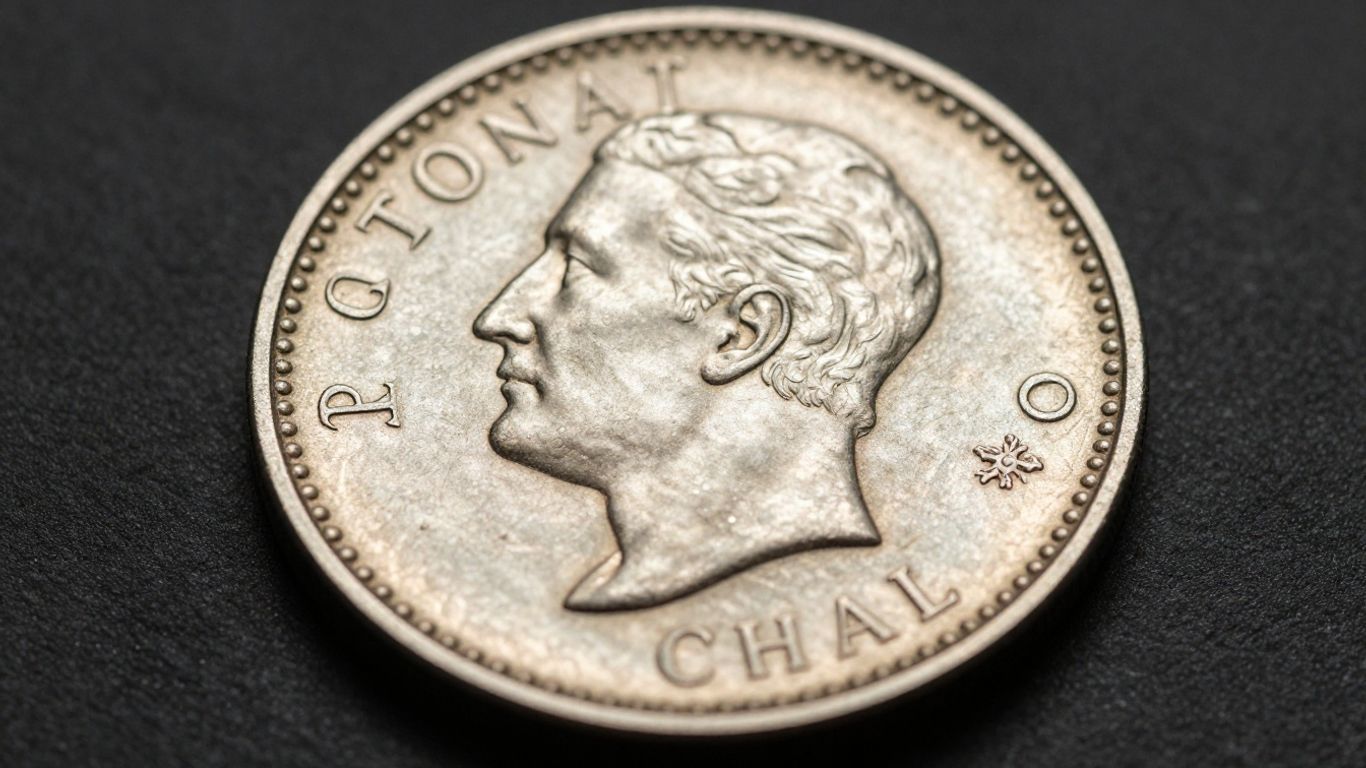
When we talk about rare coins, we’re stepping into a whole different ballgame than your average pocket change. These aren’t just old coins; they’re the ones that collectors dream about, the ones that tell a story, and often, the ones that can be worth a pretty penny. Finding and selling these special pieces requires a good eye and knowing where to look.
What makes a coin rare? It’s usually a mix of things: low mintage numbers (meaning not many were made in the first place), historical significance, unique errors during the minting process, or simply surviving in excellent condition over many years. Think about coins that were only minted for a short time, or those that were part of a special event or collection.
Here are a few things that often make a coin considered rare:
- Low Mintages: The fewer coins produced, the harder they are to find.
- Key Dates: Specific dates or mint marks within a series that were produced in very small quantities.
- Errors: Mistakes made by the mint, like double strikes or off-center designs, can make a coin unique.
- Condition: A coin that has survived decades or centuries without significant wear or damage is much rarer than one that’s been handled a lot.
Some coins are so sought after they make headlines. For instance, certain early American coins or specific issues from other countries can fetch prices that might surprise you. It’s not just about the metal content; it’s about the history, the rarity, and the demand from collectors.
Selling rare coins isn’t like selling a common coin. You need to be sure about its authenticity and condition. Getting it graded by a professional service can really help when you’re looking to sell, as it gives potential buyers confidence in what they’re purchasing. It’s a step that can make a big difference in getting a fair price.
If you think you have a rare coin, it’s worth getting it checked out by someone who knows their stuff. They can help you figure out exactly what you have and what it might be worth on the market today.
7. Coin Collections
So, you’ve got a coin collection. Maybe it was passed down from a relative, or perhaps you’ve been building it yourself over the years. Whatever the case, a collection represents a significant investment of time and money. When it comes time to sell, you want to make sure you’re getting a fair shake. Selling a whole collection requires a different approach than selling individual coins.
When you’re ready to part with your collection, consider these points:
- Organization is Key: A well-organized collection is much easier for a buyer to evaluate. This means having a clear inventory, noting the condition of each coin, and any relevant details like mint marks or certifications. If you have a lot of items, creating a spreadsheet can be a lifesaver.
- Know What You Have: Do some research on your coins. While you don’t need to be an expert, understanding the general rarity and condition of your pieces will help you set realistic expectations. Books like "Cash In Your Coins" can be a great resource for beginners trying to figure out what they’ve got.
- Consider the Buyer: Are you looking for a quick sale, or are you willing to wait for the best offer? Different buyers will have different interests and purchasing power. Some dealers might specialize in certain types of coins within your collection, while others might be interested in the entire lot.
Selling a collection can feel overwhelming, but breaking it down into manageable steps makes it much simpler. Think about what you want to achieve with the sale and who might be the best fit to buy your treasures. For those in the Austin area, places like Austin Coins and Jewelry are experienced in handling entire collections.
A collection’s value isn’t just in the sum of its parts. It’s also about the story it tells, the effort put into its assembly, and the potential it holds for a new owner. Approaching the sale with a clear head and good information will always lead to a better outcome.
Don’t forget that even seemingly common coins can add up when sold as part of a larger lot. Sometimes, the value is in the quantity and the potential for a dealer to sort and resell individual items. It’s a different market than selling a single rare piece, but it can be just as rewarding if handled correctly.
8. Tokens
Tokens are a really interesting part of numismatics, and they can be quite varied. They aren’t official government currency, but they have a face value or a specific use. Think of things like arcade tokens, casino chips, or even old subway tokens. Some tokens were also used as "counters" for calculations, especially back in the day before calculators were common. These are often called jetons or jettons, and they were made in Europe for a long time, from the 13th to the 18th centuries.
Many collectors find tokens fascinating because they represent a wide range of historical and social aspects. You’ve got everything from old industrial tokens, like those used at Bethlehem Steel, to "good for" tokens from businesses, or even novelty items like "Beard Tax" tokens. There are also transportation tokens, amusement park tokens, and even tokens related to lotteries or special events. Some are quite old, like the 1812 Lower Canada tokens, while others are more modern commemorative pieces.
When you’re looking to sell tokens, it helps to know what you have. Some common types include:
- Transportation Tokens: Used for subways, buses, or ferries.
- Amusement Tokens: From arcades, amusement parks, or carnivals.
- Industrial Tokens: Issued by factories or companies for use on-site.
- Commemorative Tokens: Often made to celebrate an event or anniversary.
- Exonumia: This is a broad category that includes many unique tokens not fitting other types, like advertising or political pieces.
The value of tokens can really run the gamut. Some common, modern tokens might only be worth a few cents or dollars, especially if they’re part of a bulk lot. However, rare, historically significant, or particularly well-made tokens can fetch much higher prices. Condition plays a big role, just like with any collectible coin. A well-preserved token from a defunct company or a significant historical event could be quite desirable.
If you have a collection of tokens, especially older or more unusual ones, it’s worth getting them appraised. Places that deal with rare coins in Austin often have an interest in tokens as well, as they fall under the umbrella of numismatics and exonumia. They can help you sort through what you have and figure out the best way to sell them for a fair price.
9. Paper Money
Paper money, also known as banknotes or currency notes, represents a significant part of numismatics. While coins have been around for millennia, paper money is a more recent invention, with its origins tracing back to China during the Song Dynasty. These early forms of paper money, like the "jiaozi," evolved from simple promissory notes used by merchants to avoid carrying heavy strings of coins. The transition from coins to paper money marked a major shift in how commerce was conducted.
Collectors often focus on specific types of paper money, such as:
- Colonial Currency: Notes printed by figures like Benjamin Franklin, who employed clever anti-counterfeiting techniques, such as using "nature prints" of leaves. These notes were vital for the colonial economy but faced restrictions from British Parliament.
- Fractional Currency: Small-denomination notes issued by the U.S. during the Civil War when silver and copper coins became scarce. These were often called "shinplasters."
- World Bank Notes: Modern currency from countries around the globe, with comprehensive catalogs available to help identify and value them.
When evaluating paper money, several factors come into play, including rarity, condition, historical significance, and any unique features like intact coupons or specific vignettes. For instance, a rare "seven-thirty" note from the U.S., bearing an eagle vignette and specific signatures, is a highly prized item.
The acceptance of paper money, essentially a promise to pay, was a revolutionary concept. Its widespread adoption depended on trust in the issuing authority and the perceived stability of the economy.
10. World Coins
When it comes to selling world coins, you’re looking at a huge variety. We’re talking about currency from pretty much every country imaginable, spanning centuries. The key to getting a good price is knowing what you have and who might want it.
Buyers often look for coins based on several factors:
- Country of Origin: Some collectors focus on coins from a specific nation or region, like European crowns or ancient Roman currency.
- Historical Significance: Coins tied to important events or rulers can be quite sought after.
- Metal Content: Gold and silver coins, regardless of their numismatic value, often have a baseline value based on their precious metal content.
- Rarity and Condition: Like any collectible, rarer coins in better condition generally fetch higher prices.
There are resources available that can help you identify and value your foreign coins. For instance, comprehensive catalogs list coins by country and often provide estimated values based on condition. These guides are really helpful for getting a general idea of what your coins might be worth.
Selling world coins can be a bit more complex than domestic currency. It’s not just about the face value or even the silver content. You’re dealing with a global market, and understanding the nuances of different countries’ coinage, historical periods, and collector demand is important. A good buyer will have knowledge across a broad spectrum of international numismatics.
If you have a significant collection or some particularly interesting pieces, it’s worth getting them appraised by someone who specializes in world coins. They can help you sort through the collection, identify the most valuable items, and connect you with potential buyers who are actively looking for those specific types of coins.
Wrapping It Up: Selling Your Counterstamped Coins in Austin
So, you’ve got these cool counterstamped coins and you’re ready to turn them into cash right here in Austin. It might seem a little tricky at first, but finding the right buyer isn’t impossible. We’ve talked about a few places and types of dealers who are usually interested in this kind of stuff. Remember to do a little homework on who you’re dealing with, and don’t be afraid to shop around a bit. Getting a fair price is the goal, and with a little effort, you can definitely find a good home for your unique coins.
Frequently Asked Questions
Who is Chris McCawley and why is he mentioned?
Chris McCawley is a coin expert who deals with early U.S. coins. He’s mentioned because he’s a knowledgeable buyer in the coin world, especially for older currency.
What are 'counterstamped' coins?
Counterstamped coins are regular coins that have had an extra mark or symbol stamped onto them after they were originally made. This could be done by a business, a person, or for a special event.
Where can I sell my coins in Austin, Texas?
While the article focuses on Austin, TX, it mentions Chris McCawley, who is based in Austin. For other options, look for local coin shops, coin shows, or online dealers who specialize in buying coins.
What types of coins are most valuable?
Generally, older coins, coins made of gold or silver, rare coins, and coins in excellent condition tend to be more valuable. Collections of coins can also be worth a lot.
Besides coins, what else do coin buyers purchase?
Many coin buyers are interested in more than just coins. They often buy paper money, tokens, medals, and even entire coin collections, whether they are complete or not.
How do I know if my coin is valuable?
The value of a coin depends on its rarity, condition, metal content, and historical significance. It’s best to consult with a coin expert or dealer who can assess your specific coins.
What is a 'grading service' for coins?
A grading service, like PCGS or NGC, is a company that professionally checks and assigns a condition grade to a coin. This helps determine its value and authenticity. The first coins to get a perfect grade were gold coins in 1986.
Are there specific types of coins that are always in demand?
Yes, certain types of coins are consistently sought after. These include U.S. gold and silver coins, rare coins, mint and proof sets, and sometimes even specific world coins or older paper money.